
Unlocking the Best Internet: Your Guide to Speed, Cost, and Reliability
Choosing the right internet plan can be overwhelming. This guide simplifies the process by comparing top providers' speeds and prices, offering tailored options for different needs—from budget users to businesses needing high-speed connections. Whether in Malta or beyond, we'll help you find the ideal solution.
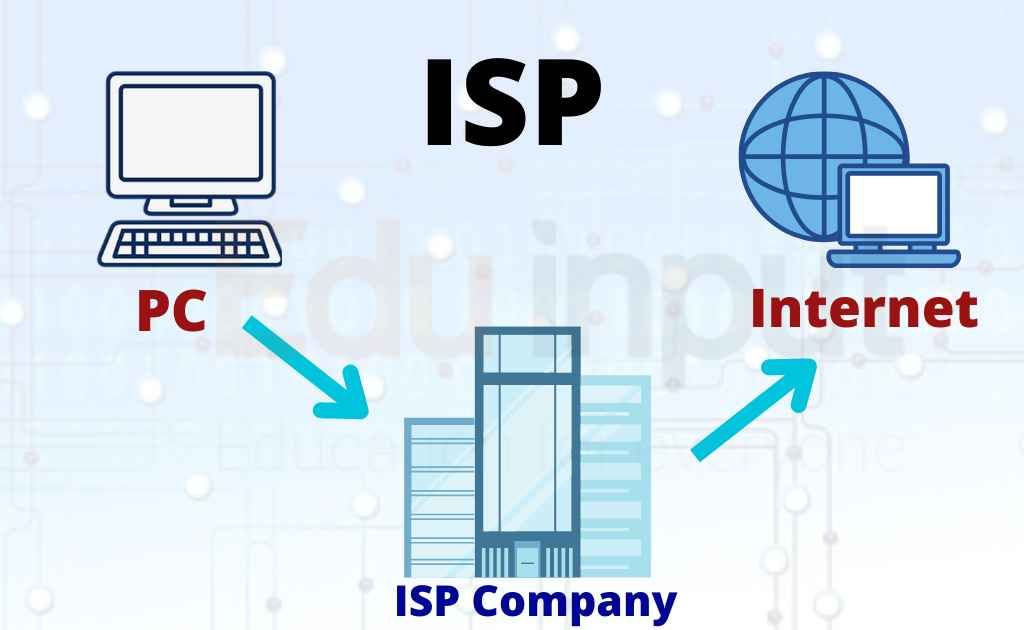
Top Internet Providers in Malta and Their Offerings
Malta's internet landscape offers various providers with different plans to cater to diverse user needs. This section outlines some of the top internet providers in Malta and their key offerings.
1. GO
GO is one of Malta's leading telecommunications companies, offering a range of internet services including fiber optic connections. They provide various packages with different speeds and data allowances, catering to both residential and business customers. GO also offers bundled services that combine internet with TV and mobile plans.
2. Melita
Melita is another major internet provider in Malta, known for its cable internet services. They offer high-speed internet packages with competitive pricing and are often praised for their reliable connections. Like GO, Melita also provides bundled services, including internet, TV, and mobile options.
3. Epic
Epic (formerly Vodafone Malta) is a telecommunications company offering a range of services, including mobile and fixed internet. They provide various internet packages with different speeds and data limits. Epic focuses on providing value-added services and competitive pricing to attract a wide customer base.
4. Sky Telecom
Sky Telecom is a smaller internet service provider in Malta that focuses on providing personalized service and tailored solutions. They offer a range of internet packages and aim to provide flexible options to meet the specific needs of their customers.
| Provider | Technology | Typical Speed Range (Mbps) | Notes |
|---|---|---|---|
| GO | Fiber, ADSL | 30 - 1000+ | Bundled services, wide coverage |
| Melita | Cable | 50 - 1000+ | High-speed options, competitive pricing |
| Epic | Fiber, 4G | 20 - 300+ | Mobile and fixed internet options |
| Sky Telecom | Wireless | Varies | Personalized service, tailored solutions |
Data source: Provider websites and user reports, 2024.
Cheapest Internet Plans for Small Businesses Across Regions
Finding affordable internet for a small business involves balancing cost and performance. Different regions offer varying options and prices.
1. Northeast
The Northeast, including states like New York and Massachusetts, often has higher internet costs due to infrastructure and population density. Providers like Verizon Fios offer competitive plans. Small businesses might find introductory rates attractive, but should consider long-term costs.
2. Southeast
In the Southeast, states such as Florida and Georgia have a mix of providers. Xfinity and Spectrum are common choices. Prices can be relatively lower compared to the Northeast, with some areas offering fiber options.
3. Midwest
The Midwest, including Illinois and Ohio, sees providers like AT&T and Cox Communications. This region often has a balance of cost and speed. Small businesses can benefit from researching local providers for potential savings.
4. Southwest
The Southwest, including Texas and Arizona, features providers like Cox and CenturyLink. Prices can vary widely depending on the specific location and infrastructure. Promotional rates are frequently available.
5. West
The West, including California and Washington, often has higher internet costs, similar to the Northeast. Providers like Xfinity and local fiber companies operate here. Small businesses should compare plans carefully to find the best value.
| Region | Typical Providers | Average Starting Price |
|---|---|---|
| Northeast | Verizon Fios, Xfinity | $50-$70/month |
| Southeast | Xfinity, Spectrum | $40-$60/month |
| Midwest | AT&T, Cox Communications | $35-$55/month |
| Southwest | Cox, CenturyLink | $30-$50/month |
| West | Xfinity, Local Fiber Options | $55-$75/month |
Data Source: Provider websites and market analysis, 2024.
Understanding Internet Options and Deals Available at Your Address
Choosing the right internet provider can be challenging. Availability and pricing vary significantly depending on your location. Exploring options tailored to your specific address is crucial for finding the best deal.
1. Types of Internet Connections
Different internet connection types offer varying speeds and reliability. Common options include DSL, cable, fiber, and satellite. DSL uses phone lines, cable uses cable TV infrastructure, fiber uses dedicated fiber optic cables for faster speeds, and satellite provides coverage in remote areas. Fiber is generally the fastest, while satellite can be the slowest and most prone to latency.
2. Checking Availability by Address
Most internet providers have online tools to check service availability at a specific address. These tools allow you to enter your address and see which internet plans are offered in your area. This is the first step in narrowing down your options.
3. Comparing Plans and Pricing
Once you know which providers serve your address, compare their plans. Look at download and upload speeds, data caps, contract lengths, and any promotional pricing. Be sure to factor in the cost of equipment rental and installation fees. Promotional pricing often expires after a year or two, so consider the long-term cost.
4. Bundling Options
Many providers offer bundled services, such as internet, TV, and phone. Bundling can sometimes save you money compared to purchasing each service separately. However, carefully evaluate whether you need all the bundled services before committing.
| Internet Connection Type | Typical Download Speed (Mbps) | Availability |
|---|---|---|
| DSL | 1-100 | Widespread |
| Cable | 25-1000+ | Widely Available |
| Fiber | 250-1000+ | Limited |
| Satellite | 12-100 | Widespread |
Data source: FCC, 2024
Affordable Internet Plans for Seniors and Their Benefits
Finding affordable internet options is crucial for seniors to stay connected, access vital resources, and enjoy online entertainment. Several providers offer discounted plans tailored to meet the needs of older adults.
1. Government Programs
Government initiatives like the Affordable Connectivity Program (ACP) provide eligible low-income households, including seniors, with discounts on their monthly internet bills. The ACP can offer up to $30 per month toward internet service, and up to $75 per month for households on qualifying Tribal lands.
2. Provider-Specific Senior Discounts
Many internet service providers (ISPs) offer specific discounts for seniors. These plans often come with lower monthly rates or special features designed for ease of use. Examples include Spectrum Internet Assist, which provides affordable internet access to qualifying low-income households, and similar programs from providers like Xfinity and Cox.
3. Bundling Options
Bundling internet service with other services, such as phone or cable TV, can often result in significant savings. Seniors can explore bundling options from providers like Verizon, AT&T, and Optimum to potentially lower their overall monthly expenses.
4. Benefits of Affordable Internet
Affordable internet access enables seniors to stay connected with family and friends through email and video calls. It also provides access to telehealth services, online resources for health and wellness, and opportunities for lifelong learning and entertainment. Furthermore, it facilitates access to important information and essential services, enhancing their overall quality of life.
| Program | Discount Amount | Eligibility Requirements |
|---|---|---|
| Affordable Connectivity Program | Up to $30/month | Low-income households, participation in assistance programs |
| Spectrum Internet Assist | Varies | Low-income households |
Data Source: FCC and various ISP websites, 2024.
Q&A
Question 1: What are the top internet providers in Malta, and what technologies do they primarily utilize?
Answer: The top internet providers in Malta are GO (using fiber and ADSL), Melita (cable), Epic (fiber and 4G), and Sky Telecom (wireless). Each provider offers various packages with differing speeds and data allowances, catering to both residential and business needs.
Question 2: What are the key factors to consider when choosing an internet provider, based on the provided texts?
Answer: Consider your location to check service availability, compare plans based on speed (download and upload), data caps, contract length, and pricing (including installation and equipment rental fees). Also evaluate bundled service options and read online reviews to gauge reliability and customer service.
Question 3: How do internet costs and availability vary across different regions in the US, and what are some typical providers in each region?
Answer: Internet costs vary significantly across US regions. The Northeast and West tend to have higher costs due to infrastructure and population density, with providers like Verizon Fios and Xfinity. The Southeast and Southwest generally offer lower prices, with Xfinity, Spectrum, Cox, and CenturyLink as common providers. The Midwest offers a balance between cost and speed, with AT&T and Cox Communications among the options.
Question 4: What resources are available for seniors seeking affordable internet access?
Answer: Seniors can explore government programs like the Affordable Connectivity Program (ACP), which offers discounts on monthly bills. Many internet service providers (ISPs) also offer specific senior discounts or programs like Spectrum Internet Assist, providing affordable access to qualifying low-income households. Bundling services can also lead to savings.