
Unlocking Efficiency: Innovative Warehouse Racking Solutions
In the rapidly evolving landscape of storage management, innovative approaches are crucial for optimizing available space and enhancing operational flow. Cutting-edge systems are revolutionizing how goods are organized and accessed, reshaping efficiency and productivity for industries seeking to meet modern logistical demands.
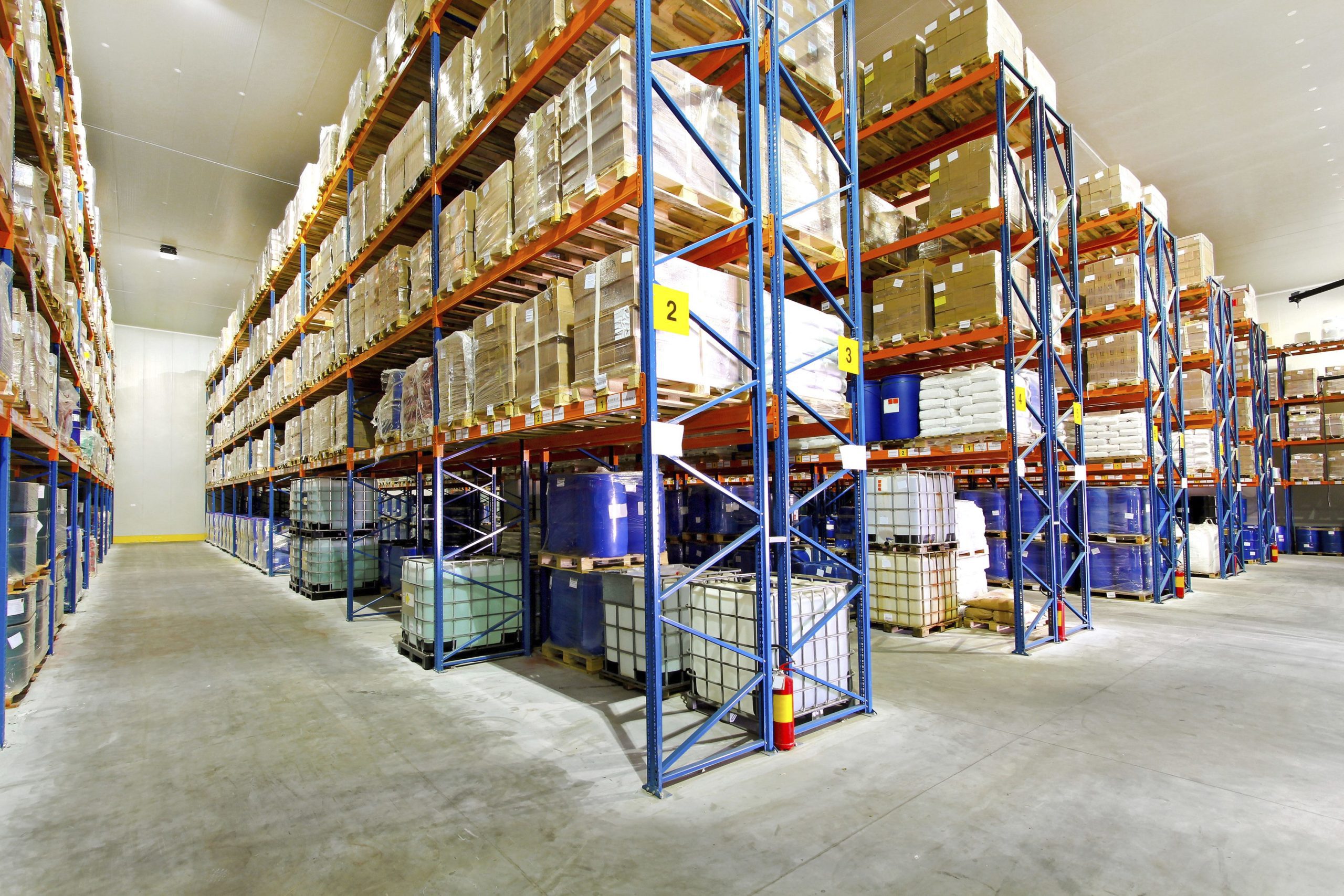
The Shift from Traditional to Modern Racking Systems
Transitioning from traditional to modern racking systems involves more than simple updates; it's about rethinking the fundamental design and functionality of storage spaces. Modern systems offer enhanced flexibility, scalability, and efficiency, surpassing older models in addressing the demands of contemporary logistics.
1. Maximizing Space Utilization
Traditional warehouse racking systems often suffer from rigid layouts that limit their adaptability to varied inventory sizes and shapes. Consequently, space remains underutilized, reducing overall efficiency.
Modern solutions focus on maximizing space through adjustable settings and high-density designs. Solutions such as narrow aisle racking reduce the space used by aisles, allowing for more product storage within the same area. Systems like push-back or pallet flow racking enhance vertical space usage, further increasing storage capacity. With these systems, warehouses can effectively store a greater volume of goods without physical expansion.
2. Enhancing Accessibility and Retrieval
Efficiency in a warehouse relies significantly on how quickly and accurately items can be accessed. Traditional systems require considerable manual effort, leading to potential delays and errors.
Contemporary racking solutions aim for seamless accessibility. Automated Storage and Retrieval Systems (AS/RS), integrated with advanced warehouse management software, streamline the entire inventory retrieval process. Features like selective pallet racking provide direct access, reducing the time and effort needed to locate specific items. Moreover, automation technology helps to minimize manual handling, enhancing both the speed and accuracy of order fulfillment.
3. Improving Scalability and Adaptability
As businesses grow, their storage needs evolve, often outgrowing the constraints of traditional racking systems. These older setups can be challenging to reconfigure or expand without disruptions.
Modern racking solutions offer increased scalability and adaptability, essential for dynamic businesses. Modular designs allow for easy expansion and reconfiguration to address changing inventory needs. Mobile racking systems enable flexible storage adjustments, accommodating shifts like seasonal demand or new product lines. This adaptability ensures that the warehouse remains aligned with the business's evolving requirements.
4. Integrating Automation Technologies
Incorporating automation within racking systems can dramatically enhance warehouse operations. Traditional systems, reliant on manual labor, are prone to inefficiencies and errors.
Modern racking designs, however, facilitate integration with cutting-edge automation technologies. Whether it's through AS/RS, automated guided vehicles (AGVs), or sophisticated robotic arms, these systems boost efficiency, reduce human error, and cut operational costs. The integration ensures a smooth, automated workflow from receiving to shipping, revolutionizing the warehouse's operational dynamics.
5. Addressing Safety and Ergonomics
Worker safety and ergonomics are paramount in warehouse environments. Traditional racking solutions often pose risks due to the manual handling of heavy items, leading to potential injuries.
Contemporary racking systems prioritize ergonomic designs and safety. Adjustable shelving and lift-assist devices reduce physical strain, while safety features like wire mesh decks and security barriers prevent falls. By prioritizing these aspects, modern systems foster a safer, more comfortable work environment, promoting productivity and wellbeing.
Revolutionizing Warehouse Efficiency with Smart Designs
The drive towards smarter warehouse designs is transforming logistics. Smart racking systems leverage advanced technologies to significantly enhance operational efficiency, providing data-driven insights for continuous improvement.
1. The Rise of Smart Racking Systems
Smart systems encompass more than storage solutions; they incorporate technological advancements to manage, track, and optimize warehouse operations.
These systems utilize sensors and AI-driven software to provide real-time insights into inventory levels and operational bottlenecks. By analyzing this data, warehouses can streamline layouts and picking processes, reducing costs and improving fulfillment accuracy. Such capabilities demonstrate how intelligent systems can reshape traditional warehouse practices toward more efficient models.
2. Modular and Flexible Designs
Flexibility in warehouse design is essential for accommodating changing industry needs. Modern racking systems embrace modular and customizable designs, allowing businesses to easily adapt their storage configurations.
With modular racking, companies can swiftly adjust to inventory changes, whether due to product size variations or seasonal demand shifts. This flexibility not only optimizes space utilization but also reduces the disruption commonly associated with reconfigurations, thus supporting continuous operations without downtime.
3. Sustainable Racking Solutions
Sustainability is increasingly important across industries, including warehousing. Modern racking solutions incorporate eco-friendly practices, reducing environmental impact and enhancing efficiency.
Using recycled materials for racking systems, alongside energy-efficient lighting and reduced waste through optimized storage, highlights this shift toward greener practices. This focus on sustainability not only meets regulatory demands but also enhances the brand's environmental reputation while providing cost benefits.
Safety and Durability: Key Features of Advanced Racking
Safety and durability remain foundational elements of effective warehouse racking systems. Advanced solutions prioritize these aspects, ensuring long-term functionality and worker well-being.
1. Robust Materials and Construction
Top-tier racking systems are built using high-strength materials like durable steel, ensuring that they withstand heavy loads and daily use. Protective coatings against corrosion and precise assembly methods further augment these systems' longevity and safety. By selecting high-grade materials and meticulous construction, businesses can ensure their racking systems remain reliable over extended periods.
2. Compliance with Safety Standards
Adhering to regional safety regulations is essential. In the EU, racking systems must meet specific safety and performance standards to safeguard against accidents and inefficiencies. Regular inspections by certified professionals help identify vulnerabilities, maintaining compliance and securing the operational environment as safe and efficient.
3. Design Features for Enhanced Safety
In addition to their robust construction, many modern racking systems incorporate specialized design features to improve safety further.
Elements such as upright protectors, wire mesh decks, and adjustable beams enhance the stability of storage units and protect against accidental impact. By integrating these design features, businesses can significantly reduce risks, fostering a secure working environment that minimizes accidents and enhances productivity.
Future Trends in Material Handling: What's Next?
As warehousing evolves, emerging trends and technologies will shape the future of material handling, focusing on efficiency, sustainability, and resilience.
1. Smart Technologies and Automation
Technologies like IoT sensors and AI-driven management systems are revolutionizing warehousing, providing real-time operational insights and enhancing efficiencies. Automation continues to streamline processes, reducing manual labor and improving accuracy.
2. Sustainability and the Circular Economy
Sustainable practices are becoming ingrained in warehousing. From using recycled materials in racking systems to integrating renewable energy sources, the focus is on reducing environmental impact while enhancing operational efficiency.
3. Adaptable and Resilient Supply Chains
The need for adaptable and resilient supply chains is paramount. Modular racking systems and advanced IT support improve responsiveness and visibility, crucial for managing disruptions and supporting changing business needs.
In summation, embracing advanced racking solutions unlocks new efficiencies, transforming storage dynamics to meet the demands of modern warehousing. By prioritizing safety, sustainability, and technological integration, warehouses can maintain competitiveness and optimize their operations for the future.
Q&A
-
What are the benefits of using a Godrej Warehouse Management System in European manufacturing industries?
Implementing a Godrej Warehouse Management System (WMS) in European manufacturing industries offers numerous benefits, including improved inventory accuracy, enhanced operational efficiency, and reduced labor costs. This system provides real-time data tracking, which helps in optimizing storage space and improving supply chain management. Additionally, it supports compliance with European Union regulations on data handling and storage.
-
How do High Density Racking Systems enhance storage solutions in warehouses?
High Density Racking Systems maximize storage capacity by utilizing vertical space, which is particularly beneficial in European warehouses where space can be limited. These systems allow for a higher volume of goods to be stored in a smaller footprint, which improves space utilization and reduces the need for warehouse expansion. They are ideal for industries requiring efficient storage solutions, such as automotive and retail sectors.
-
What considerations should be made when designing a Warehouse Racking Layout in the EU?
When designing a Warehouse Racking Layout in the European Union, it's important to consider factors such as the types of goods being stored, the frequency of access required, and compliance with EU safety standards. The layout should also accommodate efficient material handling and support sustainability goals by incorporating energy-efficient practices. Understanding the local market needs and regulatory requirements is crucial for creating an effective racking layout.
-
How does Mobile Racking Cold Storage improve efficiency in temperature-controlled environments?
Mobile Racking Cold Storage systems are designed to optimize space utilization in temperature-controlled environments by allowing racks to move on tracks, thus eliminating the need for multiple aisles. This system increases storage capacity by up to 80% compared to static racking, which is essential for perishable goods storage in the food and pharmaceutical industries. It also helps reduce energy consumption by minimizing the refrigerated area.
-
What factors determine the Pallet Racking Weight capacity in a European warehouse?
The Pallet Racking Weight capacity in a European warehouse is determined by several factors, including the type of materials used in the racking system, the design and construction of the racks, and the distribution of weight across the pallets. Compliance with European safety standards and load-bearing regulations is also critical. Regular inspections and maintenance ensure that the racking system remains safe and efficient for storing heavy goods.
References: