
Navigating the Future of Employee Programs
Discovering innovative ways to support employees has become crucial in today's dynamic work environment. By focusing on personalized options and strategic flexibility, organizations can enhance workforce satisfaction and retention, effectively meeting diverse needs and fostering productive and fulfilling workplaces for all stakeholders.
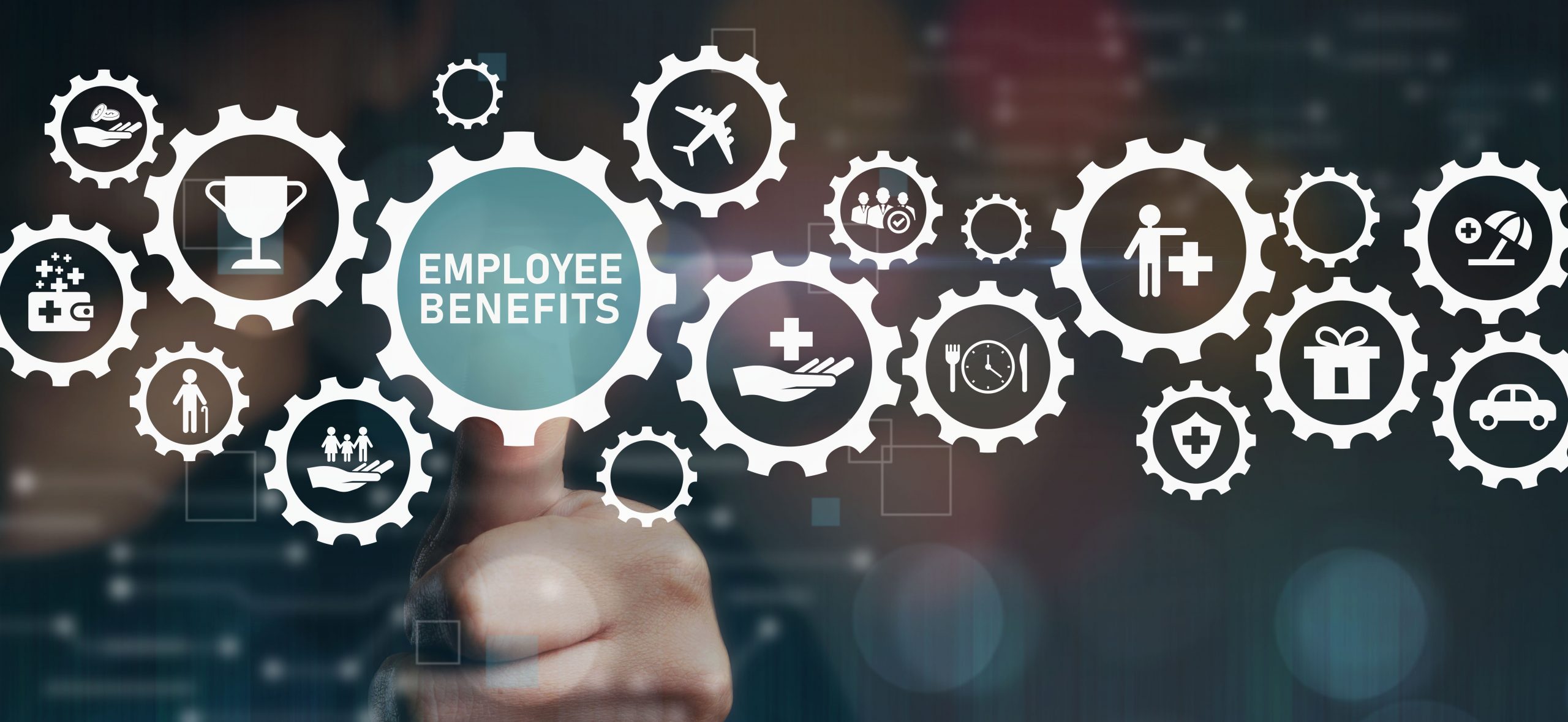
Breaking Away from the One-Size-Fits-All: A New Era of Personalized Benefits
The ever-evolving world of work demands a fresh approach to employee benefits, reflecting a shift towards personalization and customization. Rigid, uniform benefit packages are no longer effective in satisfying the diverse needs of a multi-generational workforce. This transformation is driven by an understanding that employees have distinct needs based on their life stages, goals, and personal circumstances.
The Diverse Needs of a Multi-Generational Workforce
Today's workforce is a tapestry of generations, each with its own priorities and expectations. From Baby Boomers nearing retirement to Gen Z entering their careers, the spectrum of needs is vast. For instance, younger employees may seek educational support, such as student loan reimbursement and career development opportunities, as they focus on building their professional foundations. In contrast, older employees might prioritize healthcare benefits, robust retirement plans, and family-related support, such as eldercare assistance.
To effectively appeal to this diverse workforce, organizations must undertake a thoughtful analysis of their employees' demographic profiles and preferences. Tailoring benefits based on these insights can lead to increased satisfaction and loyalty. Ignoring these nuances might result in disengagement and increased turnover, as employees seek elsewhere for more fitting packages. Therefore, companies should not shy away from re-engineering their benefits frameworks to better align with the individualized needs of their staff.
Beyond Traditional Benefits: Expanding the Scope
The definition of employee benefits is evolving beyond conventional parameters. While health insurance and retirement plans have long been staples, the modern workforce expects comprehensive support that addresses diverse aspects of their lives. This includes mental, physical, and financial well-being support.
Innovative organizations now offer wellness programs, mental health resources, financial planning tools, and family-friendly perks like childcare assistance. These benefits reflect a growing emphasis on holistic well-being and recognize that employees' lives extend beyond the office. Additionally, novel offerings such as in-plan annuities provide employees with mechanisms for long-term financial security, underscoring an employer's commitment to employees' future needs.
The expansion of benefits not only meets contemporary expectations but also distinguishes companies in competitive markets. By adopting such an inclusive approach, companies demonstrate that they value their employees as individuals with unique needs and aspirations.
The Role of Brokers as Consultants
In this complex landscape, the role of brokers is shifting from simple intermediaries to strategic consultants. They are tasked with guiding employers through the intricate world of benefits customization, ensuring that packages are both attractive and sustainable.
Brokers must possess deep expertise in workforce demographics and industry trends to provide data-driven insights. Their consultancy extends to analyzing employee survey results, estimating usage of different benefits, and predicting emerging needs. Such strategic partnerships are crucial in designing benefits that align with corporate objectives and promote employee engagement.
By leveraging brokers' expertise to align benefits with specific workforce challenges and goals, organizations can enhance recruitment and retention efforts while optimizing costs. In this way, brokers are vital allies in navigating the complexities of modern employee benefit programs.
Empowering Employees Through Flexible Work and Life Balance Strategies
In a rapidly changing work environment, companies must adapt to empower their workforce. A pivotal part of this empowerment is offering flexible work arrangements and life balance strategies that cater to the diverse needs of employees. These strategies are not just perks—they are essential components in cultivating a committed and productive workplace culture.
Understanding the Modern Workforce
The contemporary workforce is incredibly varied, and its expectations are shifting. Employees no longer prioritize just salary; they seek fulfillment, flexibility, and a harmonious integration of their professional and personal lives. Younger generations, in particular, prefer roles that align with their values and provide a sense of purpose. Meanwhile, seasoned professionals might be more focused on achieving a balance that allows them to manage familial responsibilities while maintaining their career trajectories.
Acknowledging that "one size fits all" no longer applies is vital for any organization aiming to attract and retain talent. Customizing benefit programs to meet individual needs enhances satisfaction and can significantly boost engagement levels. Recognizing and catering to these individualized needs is not merely a matter of employee satisfaction; it's a strategic imperative for organizational success.
Implementing Flexible Work Arrangements
Flexible work arrangements encompass a wide range of practices that empower employees to balance their work and personal lives effectively. For many, this flexibility is a requisite, not a luxury. Options like telecommuting, flextime, compressed workweeks, and job sharing help employees tailor their schedules to better fit their lifestyles.
Implementing these arrangements requires clear guidelines and performance metrics to ensure that productivity remains high and team cohesion is maintained. Regular check-ins and open communication are crucial to fostering a culture of trust and accountability where employees feel free to manage their time and workload as they see fit.
Moreover, organizations that embrace flexible work arrangements often experience enhanced employee morale, reduced turnover, and higher levels of job satisfaction. These arrangements can mitigate burnout and stress, contribute to employee retention, and ultimately lead to a more engaged, innovative workplace.
Enhancing Life Balance Support
Organizations are expanding their focus to strengthen overall well-being support beyond workplace flexibility. Programs such as Employee Assistance Programs (EAPs), generous paid time off policies, and financial wellness initiatives are becoming standard as companies acknowledge the holistic needs of their employees.
EAPs can provide vital support in addressing personal and professional challenges, from mental health issues to financial pressures. By offering confidential counseling and resources, they promote a healthier, more resilient workforce.
Furthermore, robust leave policies—covering everything from parental leave to volunteer time off—signal a company's commitment to employees' well-being. Financial wellness programs also play a crucial role, as they help reduce stress and improve overall productivity by offering employees the tools they need to manage their finances effectively.
The Role of Leadership in Promoting Flexibility and Balance
Leadership is key to fostering an environment that supports flexibility and work-life balance. Transformational and adaptive leaders who inspire, motivate, and demonstrate empathy and consideration for individual circumstances can significantly influence workplace culture.
Open communication and trust between leaders and employees are fundamental to a flexible work environment. By clearly communicating expectations and fostering a culture of mutual respect, leaders can create an atmosphere where employees feel supported and appreciated, ultimately leading to a more positive and productive workplace.
Navigating Health Benefit Innovations with a Future-Focused Lens
To stay competitive and supportive, organizations must continuously innovate their health benefit offerings. Keeping ahead of employee needs through proactive, digital, and value-based approaches is essential in designing effective health benefits.
From Reactive to Preventive: The Rise of Proactive Health
The focus in employee health benefits is shifting from reactive care, addressing health concerns only as they arise, to preventive strategies that aim to preempt potential problems. This includes regular health screenings, mental wellness programs, and lifestyle-promoting initiatives.
Encouraging healthy habits through wellness programs not only supports employees’ physical health but also helps mitigate rising healthcare costs. By fostering an environment that emphasizes preventive care, organizations can create a culture of health that benefits all.
Embracing Digital Health Solutions
Digital health is transforming how employees access and manage their health. Virtual care platforms offer remote consultations, allowing employees to receive medical advice without physical contact. This accessibility is crucial for maintaining consistent health monitoring and support.
Wearable technology and AI offer personal health insights and customizable interventions, empowering employees to take charge of their health. These technological advances make health benefits more personal and effective, leading to better health outcomes.
Value-Based Care: Shifting the Focus
Healthcare is increasingly adopting value-based care models, emphasizing the quality rather than the quantity of care provided. This paradigm shift seeks to enhance patient experiences while controlling costs. Programs focusing on quality of care ensure better health outcomes and reduce unnecessary expenditures, benefiting both the provider and recipient.
Incorporating these advances into employee health benefits ensures that organizations remain relevant and well-positioned to meet the future needs of their workforce. Embracing such innovations ensures organizations are agile, responsive, and prepared to lead their industries in employee satisfaction and well-being.
Question and Answer
-
What Are Employee Programs and Benefits?
Employee programs and benefits are a collection of non-wage compensations provided to employees in addition to their normal salaries or wages. These programs can include health insurance, retirement plans, wellness programs, paid time off, and various other perks designed to enhance employee satisfaction and well-being. Companies offer these benefits to attract and retain talent, improve job satisfaction, and boost overall productivity.
-
What Are Some Types of Employee Programs and Benefits?
Employee programs and benefits can vary widely but typically include health insurance, retirement savings plans, flexible work arrangements, wellness programs, tuition reimbursement, and life insurance. Additionally, some companies offer unique perks like pet insurance, gym memberships, or mental health support through Employee Assistance Programs (EAPs). These benefits are tailored to meet the diverse needs of a modern workforce.
-
How Is Employee Programs and Benefits Administration Managed?
The administration of employee programs and benefits involves the strategic planning, management, and execution of various employee benefit plans. This process is typically managed by a human resources department or a benefits specialist who ensures compliance with regulations, communicates benefits to employees, and handles the enrollment and claims processes. Effective administration requires regular assessment of benefit offerings to align them with employee needs and market trends.
-
What Role Does an Employee Programs Benefits Specialist Play?
An Employee Programs Benefits Specialist is responsible for designing, implementing, and managing employee benefit programs. They analyze employee needs, market trends, and legal requirements to develop competitive benefits packages. They also serve as a liaison between employees and benefit providers, ensuring clear communication and smooth operation of benefits. Their expertise helps companies maintain a motivated workforce by offering attractive and effective benefits.
-
Can You Provide Examples of Innovative Employee Programs and Benefits?
Innovative employee programs and benefits might include personalized wellness plans, financial education workshops, flexible work schedules, and family-friendly policies like extended parental leave or on-site childcare. Companies are increasingly offering student loan repayment assistance and remote work options to cater to modern employee priorities. Such programs reflect a shift towards more personalized and holistic approaches to employee well-being.