
How Hospital Janitorial Services Ensure a Safe Environment
Hospital cleaning services play a crucial role in maintaining a safe and hygienic environment for patients, staff, and visitors. These services are essential for preventing infections and ensuring that hospitals meet stringent health standards. In this article, we will explore the significance of hospital cleaning companies, the methods they employ, and the impact they have on healthcare settings.
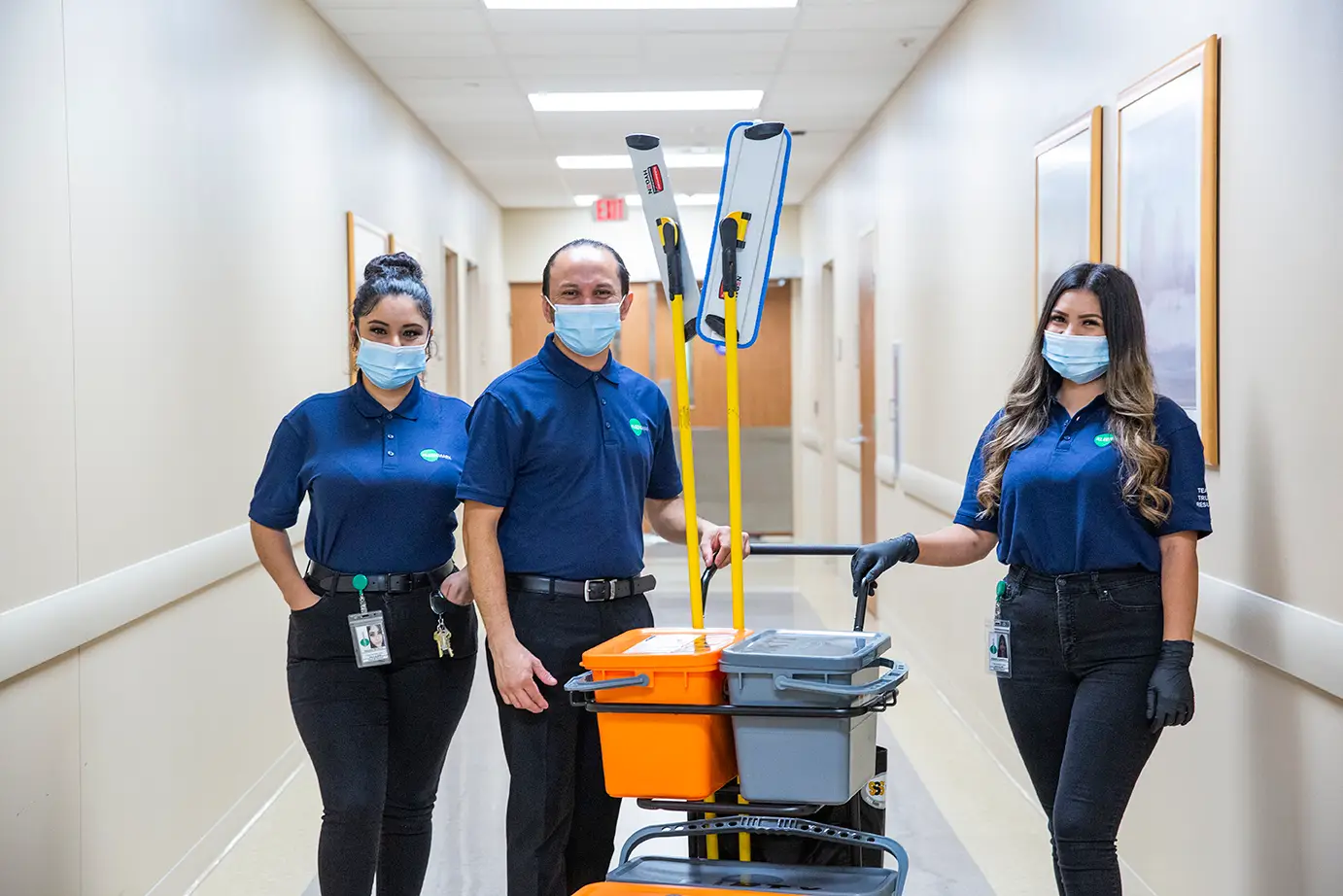
The Importance of Hospital Cleaning Services
Hospitals are environments where cleanliness is paramount due to the high risk of infection transmission. Hospital cleaning services are responsible for maintaining these standards through various tasks such as disinfecting surfaces, managing waste, and ensuring that all areas are free from contaminants. The presence of professional hospital cleaning agencies ensures that every corner of a healthcare facility is sanitized and safe. These services do not only cater to the visible aspects of cleanliness but also aim to combat invisible threats that can jeopardize patient safety and overall public health.
-
Preventing Healthcare-Associated Infections (HAIs)
Healthcare-associated infections (HAIs) are a significant concern in medical facilities. These infections occur when patients acquire an infection during their stay in a hospital or clinic. According to the Centers for Disease Control and Prevention (CDC), approximately 1 in 31 hospital patients has at least one HAI at any given time. Effective hospital clean-up procedures can significantly reduce this risk by eliminating pathogens from surfaces and equipment. Sanitization processes are tailored to target high-touch areas and critical zones that are prone to contamination. By implementing comprehensive cleaning protocols, the likelihood of infection transmission is drastically lowered, safeguarding both patients and healthcare professionals.
-
Enhancing Patient Experience and Satisfaction
A clean hospital environment contributes to a positive patient experience. Patients are more likely to feel comfortable and cared for in a well-maintained setting. Patient satisfaction is an essential measure of quality in healthcare, often reflected in feedback and ratings. This satisfaction can lead to better patient outcomes and higher ratings for healthcare facilities. When patients perceive their environment to be hygienic, their confidence in the care they receive is boosted, potentially leading to quicker recovery times and an overall enhanced healthcare journey.
-
Compliance with Health Regulations
Hospitals must adhere to strict health regulations set by authorities like the CDC and the World Health Organization (WHO). These regulatory bodies establish guidelines and best practices for maintaining cleanliness and infection control in healthcare settings. Regular inspections ensure compliance with these standards, and hospital cleaning companies play an essential role in meeting these requirements. Compliance not only reflects on the hospital's reputation but also ensures the welfare of patients and staff. Hospital cleaning services must remain updated with the latest health guidelines to maintain accreditation and continue delivering high-quality healthcare services.
Methods Employed by Hospital Cleaning Companies
Hospital cleaning companies utilize various methods to ensure thorough sanitation. These methods are carefully developed to encompass every aspect of cleanliness and sanitation within a healthcare setting. They include:
-
Routine Cleaning: Daily tasks such as dusting, mopping, and emptying trash bins. This level of cleaning is foundational to maintaining a baseline of cleanliness throughout the facility, ensuring that each area is adequate for daily use and visitation by members of the general public.
-
Terminal Cleaning: A comprehensive cleaning process conducted after patient discharge to prepare rooms for new admissions. This involves a deep clean of patient rooms which extends to sanitizing every surface, equipment, and any material that might have come into contact with the patient or their personal belongings. This step is critical in breaking the chain of infection by ensuring that pathogens are eliminated before another patient is admitted.
-
Disinfection: Use of chemical agents to eliminate pathogens on surfaces. Specialized disinfectants are chosen based on the types of pathogens prevalent in particular areas, often complemented with the latest technological interventions like UV light systems to enhance effectiveness.
-
Waste Management: Proper disposal of medical waste to prevent contamination. Medical waste management involves sorting, transporting, and disposing of waste in line with local and international health and safety regulations. This function is vital to prevent any form of hazardous exposure to staff and patients alike.
-
Specialized Cleaning: Addressing specific areas like operating rooms or isolation units with tailored protocols. Such spaces demand heightened levels of sanitation as they are high-risk areas for sensitive procedures. Specialized staff are engaged to handle these tasks using advanced equipment and specific cleaning agents to achieve surgical-grade cleanliness.
Table: Comparison of Cleaning Methods in Hospitals
| Cleaning Method | Frequency | Purpose | Areas Covered |
| Routine Cleaning | Daily | Maintain general cleanliness | Public areas, patient rooms |
| Terminal Cleaning | After discharge | Prepare room for new patient | Patient rooms |
| Disinfection | As needed | Eliminate pathogens | High-touch surfaces |
| Waste Management | Continuous | Prevent contamination | All areas |
| Specialized Cleaning | As required | Meet specific sanitation needs | Operating rooms, isolation units |
Data Source: Centers for Disease Control and Prevention (CDC)
The methodology table provides a snapshot of how cleaning protocols are categorized and their implementation frequency. It's a significant reminder of how hospital cleaning functions parallel with clinical tasks to sustain a system of care that supports healing and safety for all involved.
Challenges Faced by Hospital Cleaning Agencies
Despite their importance, hospital cleaning agencies face several challenges that can impact their effectiveness and efficiency:
-
High Turnover Rates
The demanding nature of janitorial work leads to high turnover rates among staff. This can affect the consistency and quality of cleaning services provided. Hospital environments can be stressful, contributing to employee burnout and job dissatisfaction. Agencies must continually develop strategies for retention such as providing competitive salaries, supportive work environments, and career development opportunities to maintain a motivated workforce.
-
Resource Constraints
Budget limitations may restrict access to advanced cleaning technologies or sufficient staffing levels. Often, healthcare facilities must balance other financial priorities, which can result in reduced allocations for cleaning services. However, investing in cleaning technologies and adequate staffing is vital for maintaining high standards of hygiene, which directly correlates with overall patient safety and care quality.
-
Infection Control Challenges
Emerging pathogens require constant updates to cleaning protocols, necessitating ongoing training for staff. With the evolution of infectious diseases, hospital cleaning staffs need to be regularly trained on new procedures and technologies. Consistent education helps to equip staff with the skills to combat new threats effectively, ensuring hospitals remain safe environments for patient care.
-
Balancing Efficiency with Thoroughness
While efficiency is crucial, it must not compromise thoroughness in sanitation practices. The pressure to clean quickly without sacrificing the depth of cleaning can lead to corners being cut. Tangible investment in efficient technologies and the promotion of best practices among cleaning staff ensures that high standards are met without compromising speed and safety.
Benefits of Hiring Professional Hospital Housekeeping Companies
Professional hospital housekeeping companies bring numerous benefits that go beyond simply maintaining cleanliness:
-
Expertise: Trained staff with knowledge of best practices in sanitation. These professionals understand the complexities of hospital cleaning and are adept at handling the varied cleaning challenges unique to healthcare settings.
-
Consistency: Regular schedules ensure consistent cleanliness throughout facilities. An organized and systematic approach guarantees that cleaning services are anticipated and delivered at the most critical times, maintaining constant hygiene vigilance.
-
Compliance Assurance: Familiarity with health regulations ensures compliance. Professional companies stay abreast with current health guidelines and legislative requirements, ensuring that cleaning standards meet or exceed set benchmarks.
-
Advanced Equipment: Access to state-of-the-art equipment enhances effectiveness. The adoption of cutting-edge cleaning technologies not only speeds up processes but can increase the thoroughness and reach of cleaning teams, allowing for more effective pathogen control.
The health and safety benefits brought by these qualified companies are substantial, contributing to the overall fortification of healthcare environments against dangers posed by uncleanliness and promoting the welfare of all hospital patrons.
Q&A Section: Common Questions About Hospital Cleaning Services
Q: What qualifications should I look for in a hospital cleaning company?
A: Look for companies with certified training programs for their staff, experience working in healthcare settings, compliance with health regulations, and positive reviews from previous clients. These factors collectively ensure robust service capable of meeting high standards in various healthcare environments.
Q: How often should hospital rooms be cleaned?
A: Routine cleaning should occur daily while terminal cleaning should be conducted after each patient discharge or transfer. This ensures the space is sanitary and ready for subsequent patient use without risk of residual contamination.
Q: Are there eco-friendly options available for hospital cleaning?
A: Yes! Many companies offer green cleaning solutions using environmentally friendly products without compromising on effectiveness against pathogens. Such options are increasingly popular, as they support sustainability initiatives within hospitals while ensuring that microbial hazards are adequately managed.
Q: Can hospital janitorial services help reduce HAIs?
A: Absolutely! Properly trained staff using effective disinfection techniques can significantly reduce the risk of healthcare-associated infections within hospitals. By implementing proven cleaning protocols, these services serve a crucial role in fostering environments that deter pathogen proliferation.
Q: What role does technology play in modern hospital cleaning?
A: Technology enhances efficiency through innovations like automated floor scrubbers or UV light disinfection systems which complement traditional methods effectively reducing pathogen presence on surfaces quickly without chemicals involved directly into airspace around them! These advancements allow hospital cleaning services to be more adaptive and responsive to the requirements of contemporary healthcare environments, strengthening overall patient care and safety.
References: