
Everything You Need to Know About Renting Apartments in England
Finding the perfect apartment to rent in the UK can be overwhelming due to the many options and factors involved. Whether you're a first-time renter or relocating, understanding the rental market is crucial. This guide will simplify the process and help you make an informed decision.
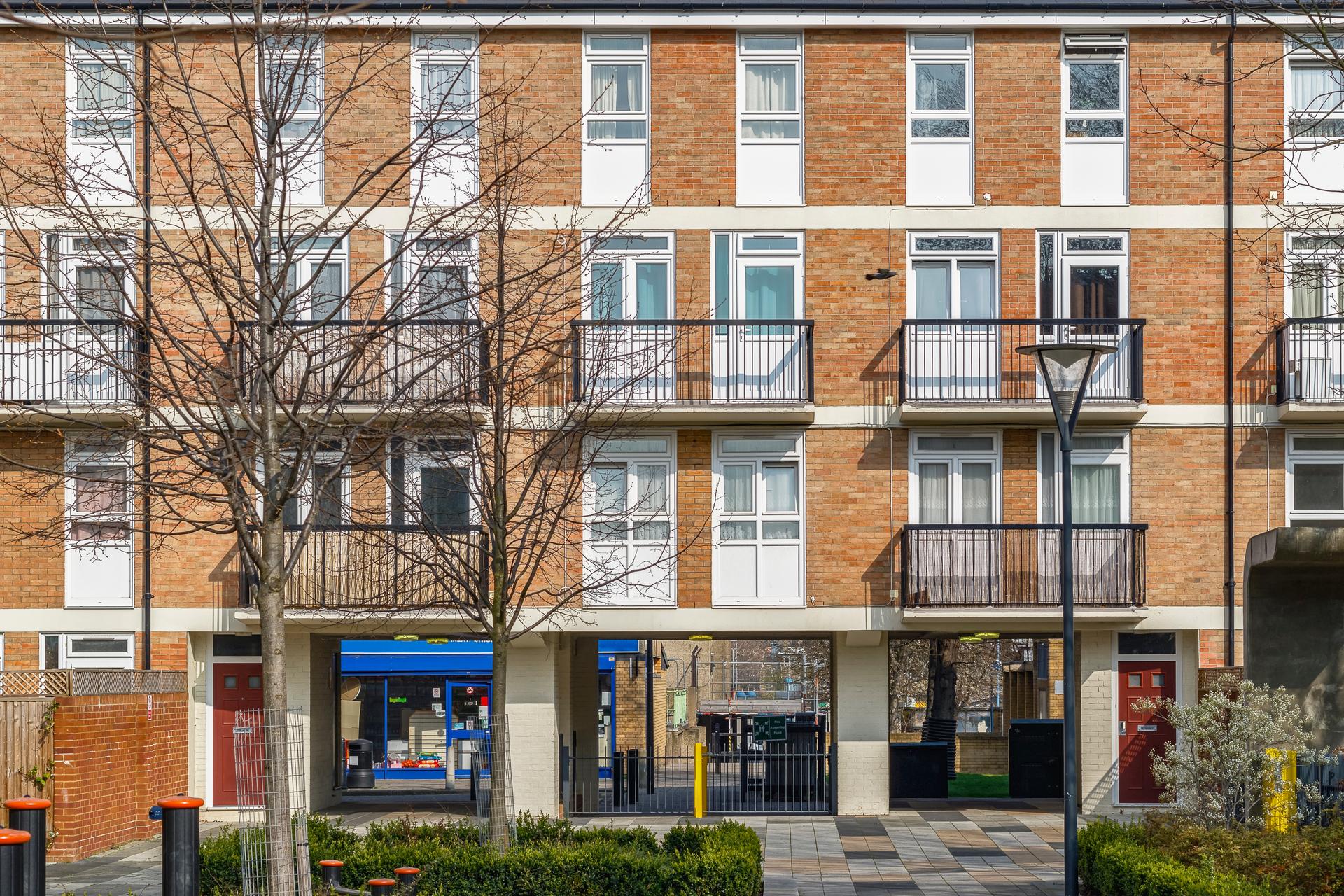
Understanding the UK Rental Market
The rental market in the UK is one of the most dynamic and diverse in the world. With options ranging from city-center studio flats to spacious countryside homes, renters can find properties tailored to their preferences and budgets. The market is influenced by several factors, including location, demand, tenant demographics, and economic conditions.
The Role of Location in Pricing
-
City-Center vs. Suburban Areas: Apartments in major UK cities, such as London, Manchester, and Birmingham, often have higher rental prices compared to suburban or rural areas. For instance, a one-bedroom apartment in central London can cost upwards of £1,500 per month, whereas similar properties in cities like Leeds or Newcastle may range from £700 to £900 per month.
-
Proximity to Amenities: Properties close to transport links, schools, shopping centers, and workplaces tend to command higher rents due to their convenience.
|
City
|
Average Rent (1-Bedroom)
|
Average Rent (2-Bedroom)
|
Source
|
|
London
|
£1,500 - £2,000
|
£2,500+
|
HomeLet Rental Index 2023
|
|
Manchester
|
£900 - £1,200
|
£1,400 - £1,800
|
Zoopla UK Rental Report
|
|
Birmingham
|
£850 - £1,100
|
£1,200 - £1,600
|
ONS Housing Market 2023
|
Types of Apartments Available for Rent
The UK rental market offers a wide range of apartment types to suit different lifestyles, budgets, and needs. Here’s a closer look at the most common options:
-
Studio Apartments
-
A compact, single-room layout that combines the living, sleeping, and kitchen areas into one space.
-
Often includes a separate bathroom.
-
Ideal for students, young professionals, or anyone seeking an affordable and low-maintenance living option.
-
Perfect for those who prioritize location and convenience over space.
-
-
1-Bedroom Apartments
-
Features a separate bedroom, providing more privacy compared to a studio.
-
Includes a distinct living area, kitchen, and bathroom.
-
A popular choice for young couples, single professionals, or individuals who want a bit more room without the cost of a larger property.
-
Offers a balance between affordability and comfort.
-
-
2-3 Bedroom Apartments
-
Designed for families, sharers, or those who need extra space for work or guests.
-
Typically includes multiple bathrooms, a larger living area, and sometimes additional features like a dining room or balcony.
-
Suitable for long-term living, offering flexibility for growing households or roommates.
-
Often found in suburban areas or family-friendly neighborhoods.
-
-
Luxury Apartments
-
Located in prime, upscale areas, particularly in cities like London, Manchester, or Edinburgh.
-
Offers high-end amenities such as gyms, swimming pools, concierge services, secure parking, and private balconies or terraces.
-
Designed with premium finishes, modern appliances, and spacious layouts.
-
Rental prices can vary significantly, often starting at £2,000 per month and exceeding £4,000 in sought-after locations.
-
Appeals to professionals, expats, or anyone seeking a luxurious lifestyle with added convenience.
-
Each type of apartment caters to different priorities, whether it’s affordability, space, or luxury. Understanding these options can help you narrow down your search and find the perfect fit for your needs.
How to Find Apartments for Rent in the UK
Finding the right apartment in the UK requires knowing where to look and understanding the available resources. Here are three effective methods to streamline your search:
-
Online Platforms
-
Property Portals: Websites like **Zoopla**, **Rightmove**, and OnTheMarket are among the most popular platforms for rental listings. They allow you to filter searches by location, price range, number of bedrooms, and property type, making it easy to find options that match your criteria.
-
Shared Accommodation: If you’re looking for shared housing, platforms like SpareRoom specialize in connecting renters with roommates or landlords offering rooms in shared properties.
-
Convenience: These platforms often include detailed descriptions, photos, virtual tours, and contact information, enabling you to shortlist properties before arranging viewings.
-
-
Local Letting Agents
-
Personalized Assistance: Letting agents have in-depth knowledge of the local rental market and can help you find properties that meet your specific needs. They can also arrange viewings and provide insights into neighborhoods.
-
Negotiation Support: Agents often act as intermediaries between tenants and landlords, helping to negotiate terms and rental prices.
-
Fees: Be aware that letting agents may charge fees for their services, but these are now regulated under the **Tenant Fees Act 2019**, which limits the costs tenants can be charged. Always ask for a breakdown of fees upfront.
-
-
Direct from Landlords
-
Cost Savings: Renting directly from a landlord can help you avoid agency fees, making it a more budget-friendly option.
-
Platforms for Direct Rentals: Websites like OpenRent connect tenants directly with landlords, offering a transparent and straightforward process.
-
Flexibility: Dealing directly with landlords can sometimes lead to more flexible lease terms or quicker decision-making, as there’s no middleman involved.
-
By leveraging these methods, you can efficiently navigate the UK rental market and find an apartment that suits your needs and budget. Whether you prefer the convenience of online platforms, the expertise of letting agents, or the cost savings of direct rentals, each approach has its advantages.
Competition in the Rental Market
The UK rental market is highly competitive, especially in popular cities and neighborhoods. To secure the best apartment, it’s important to understand what competitors are offering and how you can stand out as a tenant. Here’s a breakdown:
1. Key Competitor Offerings
-
No Deposit Move-In: Many landlords and letting agents now promote “no deposit” options, where tenants pay a small fee instead of a traditional security deposit. This appeals to renters who want to reduce upfront costs.
-
Move-In Ready Apartments: Properties advertised as “move-in ready” are fully furnished and often include essentials like appliances, furniture, and sometimes even kitchenware. This is particularly attractive to renters looking for convenience and a hassle-free transition.
-
Location-Based Advertising: Listings often highlight proximity to amenities, transport links, or schools. For example, “2-Bedroom Apartments Near Me” targets families or roommates who prioritize location and shared living costs.
-
Short-Term Leases: Some competitors offer flexible lease terms, catering to renters who may not want long-term commitments, such as students or professionals on temporary assignments.
2. How to Stand Out
-
Flexible Lease Terms: Look for landlords or agents offering flexible lease options, such as month-to-month agreements or shorter fixed terms. This can be a major advantage if your plans are uncertain or if you need temporary housing.
-
Inclusive Bills: Properties that include utilities, Wi-Fi, or council tax in the rent can simplify budgeting and make the overall cost more predictable. This is especially appealing to students or young professionals.
-
Modern Upgrades: Prioritize apartments with recent renovations, energy-efficient appliances, or smart home features. These not only enhance comfort but can also reduce long-term utility costs.
-
Unique Perks: Some landlords offer added incentives like free gym memberships, parking spaces, or access to communal gardens. These extras can make a property more attractive compared to similar options.
-
Strong Tenant Profile: To stand out to landlords, prepare a solid rental application with proof of stable income, good credit history, and references from previous landlords. This demonstrates reliability and increases your chances of securing the apartment.
By understanding what competitors are offering and focusing on properties with unique advantages, you can position yourself as a competitive tenant and find an apartment that meets your needs while standing out in a crowded market.
Costs to Consider When Renting an Apartment
1. Upfront Costs
-
Deposit: Typically 4-6 weeks' rent (capped at five weeks under UK law).
-
Holding Deposit: Usually one week's rent to secure the property during referencing checks.
2. Ongoing Costs
-
Rent: Paid monthly, with rates varying significantly by location.
-
Utilities: Electricity, gas, water, and council tax. Average utility costs for a two-bedroom apartment range from £100 to £150 per month.
3. Optional Costs
-
Parking fees, pet deposits, or furniture rentals.
|
Expense Type
|
Average Cost
|
Notes
|
|
Rent
|
£900 - £1,500/month
|
Depends on location
|
|
Utilities
|
£100 - £150/month
|
Includes gas, water, etc.
|
|
Council Tax
|
£100 - £200/month
|
Based on property band
|
Frequently Asked Questions (FAQ)
Q1: What is the best time to rent an apartment in the UK?
The rental market is most active during the summer months (June to August) when students and families are relocating. However, renting during off-peak months (November to January) may offer more affordable options.
Q2: Can I rent without a deposit in the UK?
Yes, some landlords offer “No Deposit” schemes, but they may charge slightly higher rents or require a guarantor.
Q3: How can I verify a landlord's authenticity?
Always request a tenancy agreement and ensure the landlord is registered with a reputable agency. You can also check property ownership through the UK Land Registry.
Tips for First-Time Renters
Renting your first apartment can be both exciting and overwhelming. To ensure a smooth experience, here are some essential tips to guide you through the process:
1. Set a Budget
-
Rent: Determine how much you can afford to spend on rent each month. A common rule of thumb is that rent should not exceed 30-35% of your monthly income.
-
Additional Costs: Factor in other expenses such as utilities (electricity, gas, water), council tax, Wi-Fi, and contents insurance. These can add significantly to your monthly outgoings.
-
Upfront Costs: Be prepared for initial expenses like a security deposit (usually 5 weeks’ rent), the first month’s rent, and potential agency fees (though these are now capped under the Tenant Fees Act 2019).
-
Emergency Fund: Set aside some savings for unexpected costs, such as repairs or sudden rent increases.
2. Inspect the Property
-
In-Person Viewing: Always visit the apartment in person before signing a lease. Photos can be misleading, and a physical inspection allows you to assess the condition of the property.
-
Check for Issues: Look for signs of damp, mold, or structural problems. Test appliances, faucets, and heating systems to ensure they’re in working order.
-
Ask Questions: Inquire about maintenance policies, noise levels, and the average cost of utilities. This will help you avoid surprises later.
-
Neighborhood Research: Explore the surrounding area to check for amenities like public transport, grocery stores, and safety.
3. Understand Your Rights
-
Tenant Fees Act 2019: This law limits the fees landlords and agents can charge tenants. Permitted costs include rent, security deposits (capped at 5 weeks’ rent), and holding deposits (capped at 1 week’s rent).
-
Housing Act: Familiarize yourself with your rights as a tenant, such as the landlord’s responsibility to ensure the property is safe and habitable. This includes providing working smoke alarms, gas safety certificates, and addressing repairs promptly.
-
Tenancy Agreement: Read your lease carefully before signing. Ensure you understand the terms, including the length of the tenancy, notice periods, and rules about subletting or making changes to the property.
-
Deposit Protection: By law, your security deposit must be placed in a government-approved tenancy deposit scheme (TDP). This ensures your money is protected and can be disputed if necessary.
Renting an apartment in the UK can be an exciting yet challenging experience. By understanding the market, researching your options, and knowing your rights, you can find a property that suits your needs and budget. Whether you're looking for a cozy one-bedroom flat or a spacious family apartment, the key is preparation and persistence.