
Essential Used Car Maintenance Plan: Top Tips to Keep Your Vehicle Running Smoothly and Save on Repairs
Maintaining a used car on a budget requires smart strategies and regular upkeep to ensure reliability and longevity. Here are the top tips for effective used car maintenance that won't break the bank.
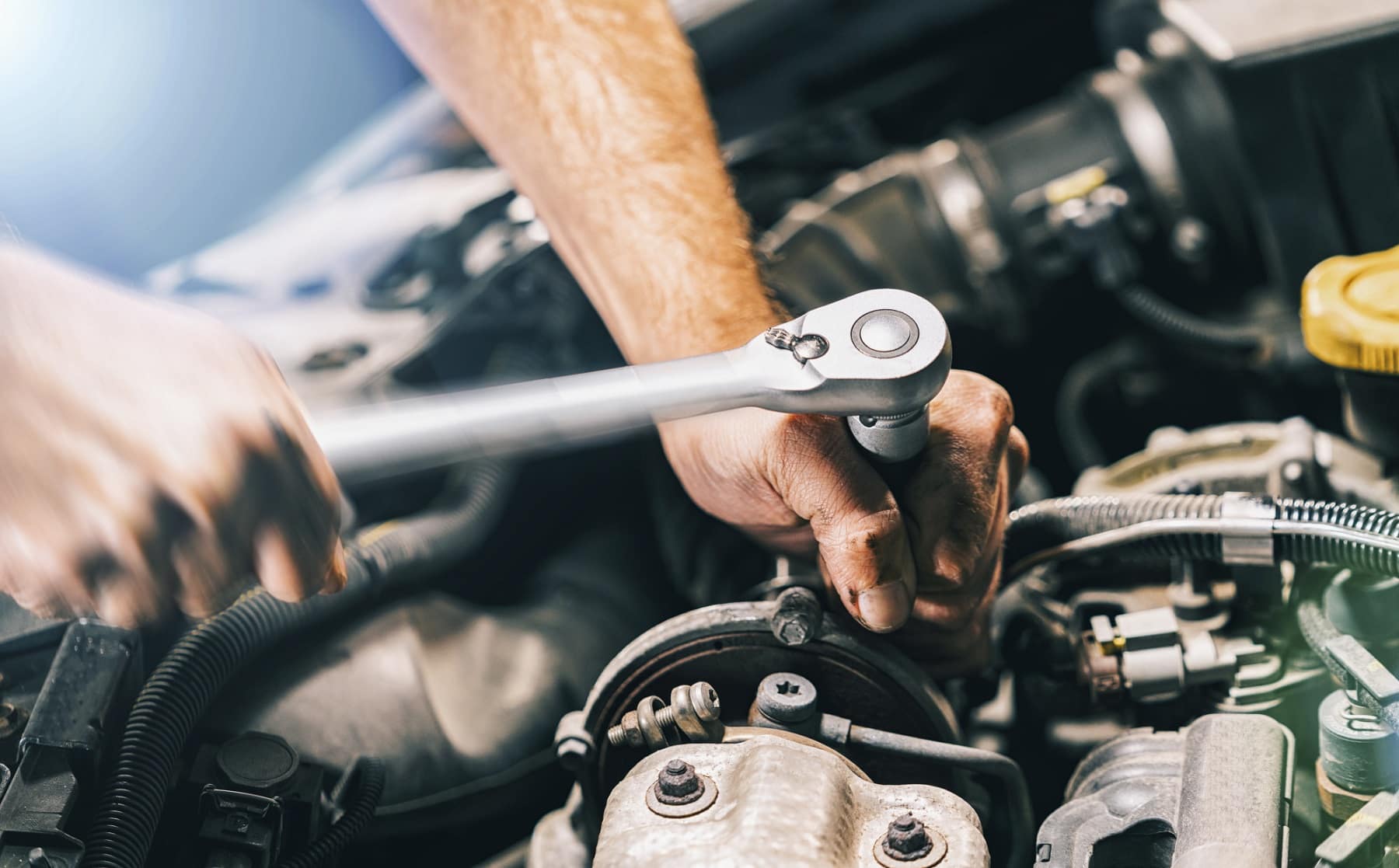
Preventive Maintenance for Used Cars
Maintaining a used car doesn’t have to be expensive. By focusing on preventive maintenance and smart spending, you can keep your vehicle in good condition without draining your wallet.
Preventive Maintenance Tips
-
Regular Inspections: Perform routine checks on vital components to catch issues early.
-
DIY Basics: Handle simple maintenance tasks yourself, such as replacing wiper blades and light bulbs.
|
Maintenance Task
|
Average Cost (USD)
|
Frequency
|
|
Oil Change
|
25-50
|
Every 3,000-5,000 miles
|
|
Tire Rotation
|
20-50
|
Every 6,000-8,000 miles
|
|
Brake Inspection
|
50-100
|
Every 12,000 miles
|
|
Battery Check
|
0-30
|
Every 6 months
|
By adhering to these basic tasks, you can avoid costly repairs and extend the life of your car.
Oil Changes
Oil changes are crucial for engine health. Using the right type of oil and changing it at recommended intervals keeps your engine running smoothly.
Choosing the Right Oil
-
Synthetic vs. Conventional: Synthetic oil provides better protection but is more expensive. Conventional oil is cheaper but needs to be changed more frequently.
-
Viscosity: Check your owner’s manual for the recommended viscosity for your car.
|
Oil Type
|
Price per Quart (USD)
|
Change Interval (Miles)
|
|
Conventional
|
3-6
|
3,000-5,000
|
|
Synthetic Blend
|
5-8
|
5,000-7,500
|
|
Full Synthetic
|
7-10
|
7,500-10,000
|
Regular oil changes not only protect your engine but also improve fuel efficiency.
Brake Inspection
Regular brake inspections are essential for safety and to prevent expensive repairs. Here’s how to perform a basic brake inspection.
Brake Inspection Steps
-
Visual Check: Look for worn brake pads and inspect the brake rotor for grooves or damage.
-
Listen for Noises: Squeaking or grinding noises indicate worn brake pads or other issues.
-
Feel for Vibrations: If you feel vibrations when braking, it might be time to replace the rotors or pads.
|
Inspection Point
|
Symptoms
|
Recommended Action
|
|
Brake Pads
|
Thickness < 1/4 inch
|
Replace Pads
|
|
Brake Rotors
|
Grooves or Warping
|
Resurface or Replace
|
|
Brake Fluid
|
Dark or Contaminated
|
Change Fluid
|
Performing these checks every 12,000 miles can help you identify and fix brake issues before they become serious.
Fluid Checks
Fluids are the lifeblood of your car, and regular checks and changes are vital for maintaining performance.
Essential Fluid Checks
-
Engine Oil: Check the oil level and condition monthly.
-
Coolant: Ensure the coolant level is between the minimum and maximum marks.
-
Brake Fluid: Check the level and color of the brake fluid every 6 months.
-
Transmission Fluid: Inspect the level and color every 30,000 miles.
|
Fluid Type
|
Check Frequency
|
Change Interval
|
|
Engine Oil
|
Monthly
|
3,000-10,000 miles
|
|
Coolant
|
Every 6 months
|
30,000-50,000 miles
|
|
Brake Fluid
|
Every 6 months
|
30,000 miles
|
|
Transmission Fluid
|
Every 30,000 miles
|
60,000-100,000 miles
|
Regular fluid checks and changes help maintain optimal vehicle performance and prevent breakdowns.
Battery Health
A healthy battery is essential for starting your car and powering electrical systems. Here’s how to maintain your car’s battery.
Battery Maintenance Tips
-
Regular Testing: Test your battery voltage every 6 months using a voltmeter.
-
Clean Terminals: Keep battery terminals clean and away of corrosion.
-
Secure Battery: Ensure the battery is securely mounted to prevent vibrations.
|
Battery Health Check
|
Optimal Value
|
Action Needed
|
|
Voltage (Engine Off)
|
12.4-12.7 Volts
|
Recharge or Replace
|
|
Voltage (Engine Running)
|
13.7-14.7 Volts
|
Alternator Check
|
Following these tips can extend the life of your battery and prevent unexpected failures.
Transmission Service
Transmission issues can be costly, but regular maintenance can help avoid expensive repairs. Here’s how to service your transmission on a budget.
Transmission Service Tips
-
Fluid Change: Change the transmission fluid at the recommended intervals to ensure smooth shifting.
-
Filter Replacement: Replace the transmission filter during fluid changes to remove contaminants.
|
Service Task
|
Average Cost (USD)
|
Frequency
|
|
Transmission Fluid Change
|
80-250
|
30,000-60,000 miles
|
|
Transmission Filter Replacement
|
100-200
|
30,000-60,000 miles
|
Regular transmission service helps maintain smooth operation and can prevent costly repairs down the line.