
Unlocking a Confident Smile: Your Guide to Dental Implants
Dental implants offer a revolutionary solution, providing durable and beautiful replacements for missing teeth. This guide will fully explore the science behind dental implants, including the various implant types, the implant procedure itself, and the long-term benefits of restoring a full, healthy smile.
Understanding the Basics: What Are Dental Implants and How Do They Work?
Dental implants are a popular and effective solution for replacing missing teeth, offering a long-term alternative to dentures and bridges. They function as artificial tooth roots, providing a stable base for replacement teeth that look, feel, and function like natural teeth.
1. What is a Dental Implant?
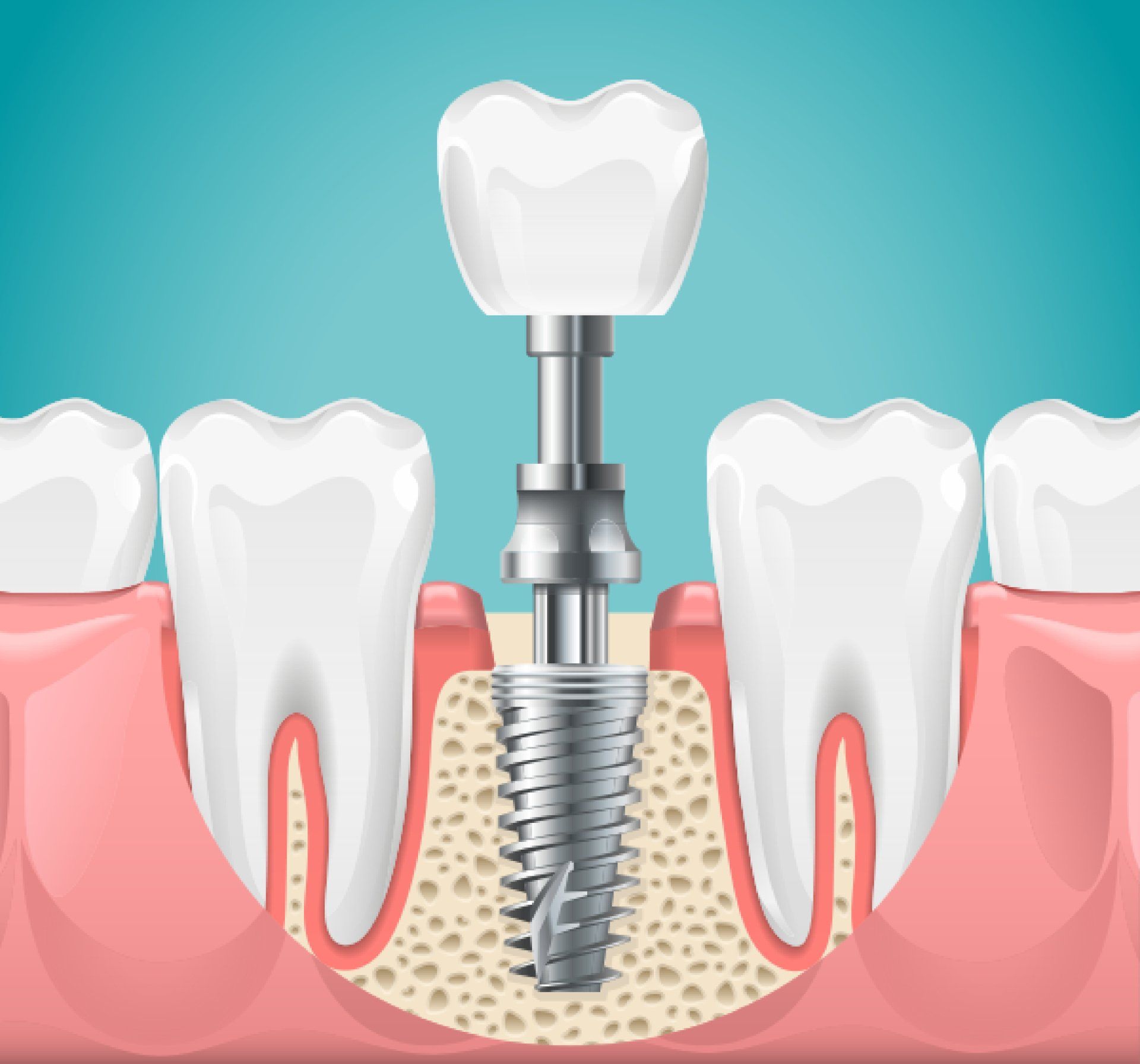
A dental implant is essentially a small, biocompatible post, usually made of titanium, that is surgically inserted into the jawbone where a tooth is missing. This post acts as a replacement for the tooth root. Because titanium is biocompatible, it fuses with the jawbone through a process called osseointegration, creating a strong and stable foundation for a replacement tooth.
2. The Osseointegration Process
Osseointegration is the key to the success of dental implants. It's the process where the bone cells grow around and fuse directly to the titanium implant surface. This fusion creates a strong, permanent bond, allowing the implant to withstand the forces of chewing and biting. The osseointegration process typically takes several months to complete, ensuring the implant is firmly anchored in the jaw.
3. Components of a Dental Implant
A complete dental implant consists of three main parts: the implant itself (the titanium post), the abutment, and the dental crown. The abutment is a connector piece that attaches to the implant and provides a base for the crown. The crown is the visible part of the replacement tooth, custom-made to match the shape, size, and color of your natural teeth, providing a seamless and natural-looking restoration.
Exploring the Options: Types of Dental Implants and Their Unique Benefits
Dental implants offer a lasting solution for missing teeth, but understanding the different types and their benefits is crucial for making an informed decision. The selection depends on various factors, including bone density, location of the missing tooth, and overall oral health.
1. Endosteal Implants
Endosteal implants are the most common type. They are surgically implanted directly into the jawbone. These implants are typically made of titanium and act as artificial tooth roots. Once the bone has fused to the implant (osseointegration), a crown is attached. Endosteal implants are suitable for patients with good bone density and are often used for single or multiple tooth replacements. The success rate for endosteal implants is generally high, often exceeding 95% over a 10-year period, according to recent studies.
2. Subperiosteal Implants
Subperiosteal implants rest on top of the jawbone but under the gum tissue. A metal framework is placed on the bone, and posts protrude through the gums to hold the artificial teeth. This type of implant is primarily used when patients have insufficient bone height or density to support endosteal implants. While less common than endosteal implants, subperiosteal implants offer an alternative for those who may not be candidates for bone grafting procedures.
3. Zygomatic Implants
Zygomatic implants are the longest type of dental implant, anchoring into the zygomatic bone (cheekbone) rather than the jawbone. They are used in cases where there is severe bone loss in the upper jaw, making traditional implant placement impossible. This option avoids the need for extensive bone grafting. Zygomatic implants are a more complex procedure and require a highly skilled and experienced surgeon.
Financial Considerations: Navigating Costs and Financing for Dental Implants
Dental implants, while a long-term solution for tooth loss, represent a significant financial investment. Understanding the costs involved and exploring financing options is crucial for making informed decisions about your oral health.
1. Understanding the Costs
The total cost of dental implants can vary widely depending on several factors. These include the number of implants needed, the location of the implant placement (front teeth tend to be more expensive), the type of implant used, and any additional procedures required, such as bone grafting or sinus lifts. Geographic location and the dentist's experience also play a role. A comprehensive consultation is essential to receive an accurate estimate tailored to your specific needs.
2. Insurance Coverage
Dental insurance coverage for implants is often limited. Some plans may cover a portion of the crown or certain pre-operative procedures, but full coverage is rare. It's crucial to thoroughly review your insurance policy and contact your provider to understand your specific benefits. Don't hesitate to ask your dentist's office to assist with insurance claims and pre-authorization.
3. Exploring Alternatives
While dental implants offer numerous advantages, it's wise to consider alternative tooth replacement options, such as dentures or bridges, and compare their costs. Dentures are generally the most affordable option upfront, but they may require more maintenance and have a shorter lifespan than implants. Bridges are another alternative, but they involve altering adjacent teeth. Weighing the long-term benefits and costs of each option is essential for making the best decision for your oral health and budget.
Technological Innovations: Advances in Implant Techniques and Materials
The field of dental implants is continuously evolving, driven by the desire for more predictable, efficient, and patient-friendly treatments. Innovations in both surgical techniques and implant materials are contributing to improved outcomes and patient satisfaction.
| Innovation | Description | Year | Source |
|---|---|---|---|
| Guided Implant Surgery | Utilizes 3D imaging and surgical guides for precise implant placement. | 2024 | Journal of Oral Implantology |
| Nanotechnology in Implants | Incorporates nanoscale materials to enhance osseointegration and antibacterial properties. | 2025 | International Journal of Nanomedicine |
| Improved Titanium Alloys | Development of stronger and more biocompatible titanium alloys for increased implant longevity. | 2024 | Journal of Biomedical Materials Research |
| Zirconia Implants | Metal-free alternative offering improved aesthetics and biocompatibility, especially for allergic patients. | 2025 | Clinical Implant Dentistry and Related Research |
Data Source: Journal of Oral Implantology, International Journal of Nanomedicine, Journal of Biomedical Materials Research, Clinical Implant Dentistry and Related Research, 2024-2025.
1. Guided Implant Surgery and 3D Printing
Guided implant surgery represents a significant leap forward in precision and predictability. This technique leverages 3D imaging, such as cone-beam computed tomography (CBCT), to create a detailed virtual model of the patient's jaw. Based on this model, a surgical guide is designed and often 3D-printed. This guide fits over the patient's teeth or gums during surgery, ensuring that the implant is placed in the optimal position, angulation, and depth. This minimizes the risk of damaging adjacent structures and improves the long-term success of the implant.
2. Advancements in Implant Materials
Traditional dental implants are primarily made of titanium alloys, known for their biocompatibility and strength. However, research continues to explore new materials and modifications to enhance implant performance. One area of focus is nanotechnology, which involves modifying the implant surface at the nanoscale to improve osseointegration – the process by which the implant integrates with the surrounding bone. Nanotechnology can also impart antibacterial properties to the implant surface, reducing the risk of infection.
3. Zirconia Implants: A Metal-Free Alternative
While titanium implants are generally well-tolerated, some patients may prefer a metal-free option due to concerns about allergies or aesthetics. Zirconia implants offer a viable alternative. Zirconia is a ceramic material that is biocompatible, strong, and tooth-colored. This makes it particularly suitable for patients with thin gums or those who desire a highly aesthetic outcome, especially in the anterior region of the mouth. Research is ongoing to further refine the properties and long-term performance of zirconia implants.
Dental Implants vs Alternatives: Comparing Long-term Outcomes and Patient Satisfaction
Dental implants offer a permanent solution for missing teeth, but how do they stack up against other options in the long run, and what do patients think? Let's explore the outcomes and satisfaction levels associated with dental implants compared to alternatives like dentures and bridges.
1. Longevity and Durability
Dental implants are known for their exceptional longevity. With proper care, they can last a lifetime. Alternatives like dentures and bridges typically require replacement or repair every 5-10 years.
2. Impact on Oral Health
Implants offer benefits beyond just replacing a missing tooth. They help prevent bone loss in the jaw, which can occur with dentures or bridges. Implants also don't require altering adjacent teeth, as bridges do, preserving more of your natural tooth structure. Maintaining overall oral hygiene is simpler with implants, because they function much like natural teeth, reducing the risk of decay in adjacent teeth.
3. Patient Satisfaction and Quality of Life
Patient satisfaction is a key factor when considering tooth replacement options. Dental implants generally lead to higher patient satisfaction due to their stability, natural feel, and ability to restore full chewing function.
4. Cost Considerations
While the initial cost of dental implants can be higher than dentures or bridges, their long-term value often outweighs the initial investment. The need for frequent replacements and maintenance with alternatives can lead to higher cumulative costs over time. Furthermore, the enhanced quality of life and oral health benefits associated with implants contribute to their perceived value among patients seeking a lasting solution.
Q&A
Question 1: What are dental implants, and how do they differ from dentures and bridges?
Answer: Dental implants are artificial tooth roots surgically placed into the jawbone, providing a stable base for replacement teeth. Unlike dentures, which are removable, and bridges, which rely on adjacent teeth for support, implants offer a permanent, natural-feeling solution that helps prevent bone loss.
Question 2: What are the different types of dental implants, and what factors influence the choice of implant type?
Answer: Common types include endosteal (most common, implanted directly into the jawbone), subperiosteal (placed on top of the jawbone, under the gum), zygomatic (anchored into the cheekbone for severe bone loss), and mini dental implants (narrower, often for denture stabilization). The choice depends on bone density, location of missing teeth, overall oral health, and patient preferences.
Question 3: How do dental implants compare to dentures and bridges in terms of longevity, oral health impact, and patient satisfaction?
Answer: Dental implants offer superior longevity (potentially lasting a lifetime), prevent jawbone loss, and don't require altering adjacent teeth. Patient satisfaction is generally higher with implants due to their stability, natural feel, and improved chewing function. While initial costs are higher, the long-term cost-effectiveness is often superior to dentures or bridges needing frequent replacement.
References:
- https://www.209nycdental.com/services/implant-dentistry/all-on-4-dental-implants-nyc/
- https://cliniqueplus.com/blog/dental-implant-cost-turkey-vs-usa-canada-2025-complete-price-guide/
- https://www.andepol.com/blogs/4-front-teeth-implants-cost
- https://sugarloafsmiles.com/services/dental-implants-duluth-ga/all-on-4-dental-implants/
- https://penndentalmedicine.org/blog/how-much-are-dental-implants-in-philadelphia/