
Understanding the Essentials of Electronics PCB Assembly
In today's rapidly advancing technological landscape, the integration of cutting-edge innovations is transforming the field of printed circuit board assembly. From enhancing precision in component placement to leveraging AI for quality assurance, the industry is undergoing a significant shift towards greater efficiency and reliability.
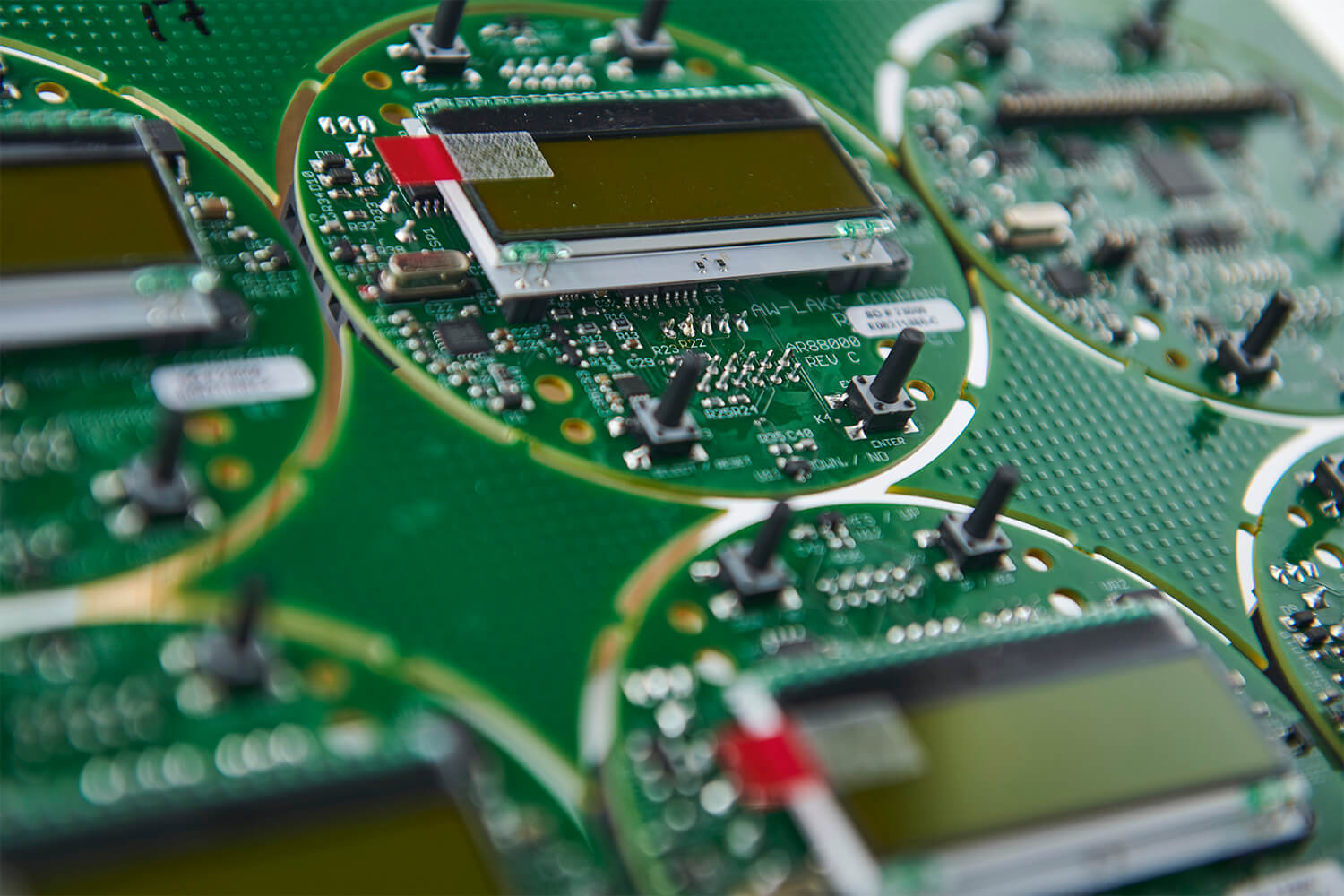
The Path to Precision: Modernizing PCB Component Placement
The assembly of printed circuit boards plays a critical role in the electronics industry, evolving through a blend of traditional skills and modern technology. This section explores how precision has become the cornerstone of high-quality PCB assembly.
The Bedrock of Precision and Accuracy
High-precision placement of components is vital for the functionality of PCBs, as incorrect positioning can lead to faulty circuits. Advanced surface mount technology (SMT) and pick-and-place machines now achieve component placement precision within 0.01 mm. This high level of accuracy is particularly crucial in manufacturing miniaturized PCBs for robotics and other electronics sectors. The transition from manual placement, once reliant on skilled technicians using tweezers and magnifying tools, to advanced automated equipment has drastically reduced human error and increased production speed.
The Role of Human Expertise
Despite the advent of automation, the human element remains indispensable. Skilled operators oversee machine operations, ensuring accuracy in component placement while managing any discrepancies that arise. These technicians provide crucial oversight, blending experience with new technologies to maintain the high standards required of modern PCBs. Training programs have adapted to incorporate both manual assembly skills and automated system management, ensuring a workforce capable of handling advanced machinery.
Bridging Technology with Human Skills
Overall, maintaining a balance between human skills and automated processes is essential. While machines handle repetitive tasks, humans provide the creativity and problem-solving capabilities necessary for more complex challenges. This synergy between man and machine ensures a more efficient and reliable assembly process, maintaining PCB integrity.
Automation's Influence on PCB Assembly Efficiency
Automation has had an immense impact on the efficiency and precision of PCB assembly, fundamentally changing industry practices. This section delves into how automation is redefining quality control and productivity.
Automated Solutions Elevating Production
Automation has elevated production rates while maintaining the precision needed in the electronics sector. By integrating sophisticated technologies, manufacturers can meet market demands swiftly and reduce production costs. Automated systems ensure uniformity and can handle high-volume orders without compromising on quality. This levelheaded approach to manufacturing not only boosts output but also facilitates strategic real-time decision-making.
AI's Transformative Role in Quality Assurance
Artificial Intelligence (AI) and machine learning are pivotal in enhancing defect detection within the assembly process. By integrating AI-powered inspection systems, manufacturers can improve defect detection rates by up to 30%. These advancements have reduced false positives and enabled predictive maintenance, leading to improved uptime and reliability of manufacturing equipment. AI-driven analytics also provide insights into historical defect data, enabling continuous improvement in quality assurance practices.
Streamlining Processes with Cloud Technologies
The incorporation of cloud-based analytics allows for real-time monitoring and management of assembly lines. These platforms offer insights into global production data, supporting seamless optimization of processes. Such technology fosters a culture of continuous improvement and enables manufacturers to stay agile in the face of changing market demands.
The Human Element in Automated Assembly Environments
The transition towards more automated PCB assembly processes has not eliminated the need for human expertise. This section explores the evolving roles of workers and the opportunities emerging from these technological shifts.
Redefining Roles in the Age of Automation
As automation takes a stronger hold, the roles in PCB assembly are evolving. Workers are now transitioning to more analytical positions, where skills in machine management and process optimization are crucial. This shift not only enhances the operational capabilities of manufacturing processes but also provides workers with opportunities to develop new skills. With the proper training, operators are equipped to manage automated systems, ensuring high efficiency and quality standards are maintained.
Fostering a Culture of Continuous Learning
The rapid pace of technological advancements in PCB assembly necessitates a culture of continuous improvement and learning. Workers need to stay informed on emerging tools and methodologies to remain competitive. Many companies now offer flexible training programs and on-the-job learning opportunities to equip their staff with the skills needed to manage sophisticated manufacturing technologies.
Future Prospects for Skilled Professionals
As the industry continues to innovate, there are ample opportunities for professionals with the right skill sets to excel. Careers in electronics manufacturing are expanding in scope, attracting individuals interested in working with cutting-edge technologies and contributing to the evolution of the industry. Skilled professionals who can bridge traditional manufacturing techniques with modern innovations will find themselves at the forefront of industry transformation.
Innovations and Career Paths in PCB Assembly
The continuously evolving domain of PCB assembly offers numerous opportunities for innovation and career growth. This section discusses recent advancements and the evolving job landscape.
Pushing the Boundaries with Technology
The incorporation of IoT and smart manufacturing processes exemplifies the industry's commitment to innovation. Machines capable of communicating and interacting in real-time enhance efficiency significantly. Additionally, 3D printing technology has revolutionized PCB prototyping, allowing for rapid design-to-production transitions. This flexibility in the design phase fosters greater experimentation and innovation.
Embracing Sustainable Practices through Innovation
The emphasis on sustainability is driving advancements in PCB assembly. New materials and processes designed to minimize waste and energy consumption are becoming standard practice, reflecting a broader commitment to environmentally friendly production. These green technologies align with current regulatory demands and contribute to the industry's overall push towards more sustainable manufacturing practices.
The Promising Career Landscape
Emerging technologies and automated processes create promising career opportunities in electronics manufacturing. Professionals who specialize in robotics, AI integration, and sustainable practices are particularly in demand. Opportunities await those eager to explore the intersection of traditional manufacturing and technological advancements, leading to a future filled with potential for growth and development.
The journey of PCB assembly, from manual processes to a fully automated landscape, underscores a broader trend of technological integration in manufacturing. This evolution heralds new opportunities for innovation, efficiency, and career growth, promising a bright future for those engaged in the electronics industry.
Q&A
-
What are the key stages in the PCB assembly process?
The PCB assembly process involves several key stages:
- Solder Paste Application: A stencil is used to apply solder paste to the PCB pads.
- Pick and Place: Surface-mount components are accurately placed onto the solder paste-covered pads.
- Reflow Soldering: The board is heated to melt the solder paste, creating secure electrical connections.
- Inspection and Testing: Automated optical inspection and testing ensure that the components are correctly placed and functioning.
- Through-hole Component Insertion: For components that require through-hole mounting, manual or automated insertion is used.
- Wave Soldering: This is used for soldering through-hole components in mass production.
- Final Inspection: A final quality check is performed to ensure the PCB meets specifications.
-
What skills are essential for an Electronics PCBs Assembly Operator?
An Electronics PCBs Assembly Operator should possess:
- Technical Proficiency: Understanding of electronics and PCB schematics.
- Attention to Detail: Ability to spot and correct assembly errors.
- Manual Dexterity: Skillful in handling small components and tools.
- Problem-Solving Skills: Capable of troubleshooting and resolving assembly issues.
- Communication Skills: Effective communication for collaborating with team members and understanding instructions.
-
How does an Electronics PCBs Assembly Plant ensure quality control?
Quality control in an Electronics PCBs Assembly Plant is maintained through:
- Standard Operating Procedures (SOPs): Detailed manuals guide each step of the assembly process.
- Automated Optical Inspection (AOI): Machines inspect solder joints and component placement.
- In-Circuit Testing (ICT): Tests electrical performance of the assembled boards.
- Functional Testing: Ensures the final product performs as intended.
- Continuous Training: Regular training programs for operators to stay updated with new technologies and techniques.
-
What are the advantages of working with an Electronics PCBs Assembly Company?
Partnering with a specialized company offers:
- Expertise and Experience: Access to skilled professionals with extensive knowledge in PCB assembly.
- Advanced Technology: Use of cutting-edge equipment for precision and efficiency.
- Cost-Effectiveness: Economies of scale reduce overall production costs.
- Flexibility and Scalability: Ability to handle small to large production runs efficiently.
- Quality Assurance: High standards of quality control and assurance for reliable products.
-
What challenges might one face in the Electronics PCBs Assembly ecosystem?
Common challenges include:
- Component Sourcing: Difficulty in obtaining components due to supply chain disruptions.
- Technological Advances: Keeping up with rapid advancements and integrating new technologies.
- Cost Management: Balancing cost with quality and production speed.
- Regulatory Compliance: Adhering to industry standards and regulations for safety and performance.
- Environmental Concerns: Implementing eco-friendly practices in manufacturing and waste management.