
Smart Planning for Cost-Effective Tree Services: Quality Meets Affordability
Navigating the world of tree care can be daunting, especially when striving to maintain lush outdoor spaces without breaking the bank. For those eager to combine financial prudence with quality upkeep, understanding how to align strategic planning with budget constraints is essential for thriving green environments.
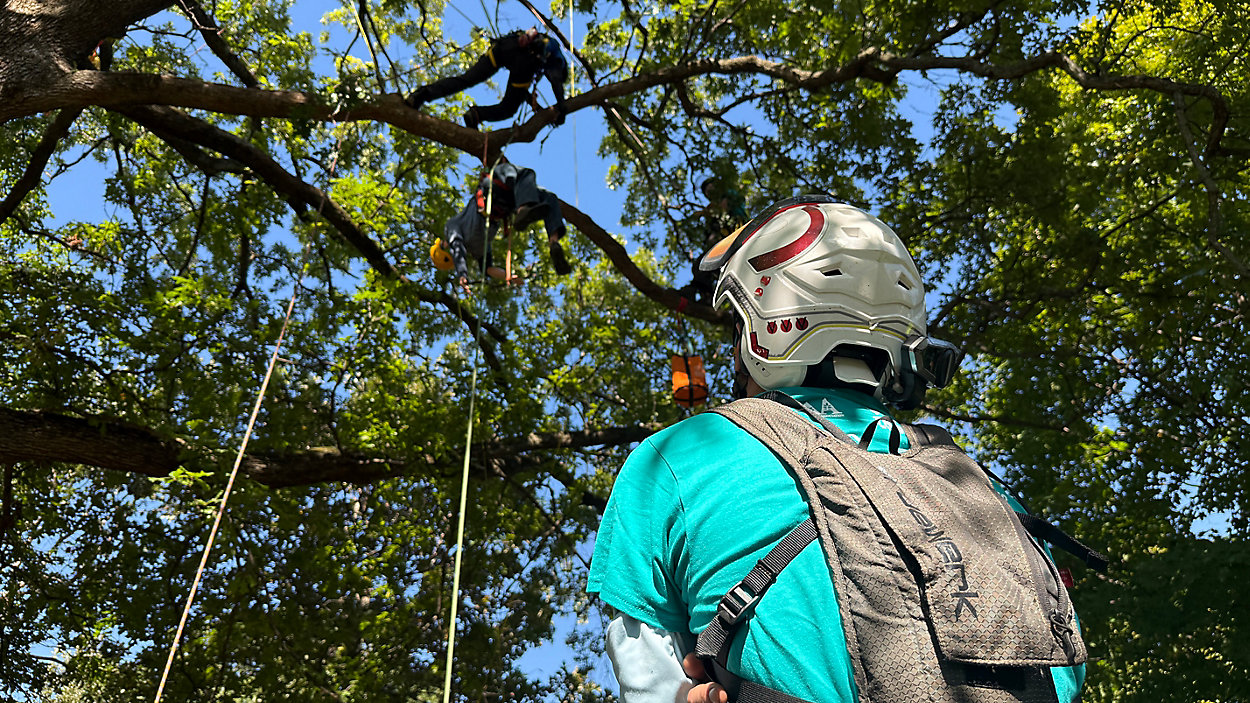
The Essentials of Effective Tree Maintenance
Maintaining healthy and beautiful trees involves more than just occasional trimming. It requires a holistic approach that balances regular care with strategic interventions. By understanding the essentials of tree maintenance, you can establish a routine that keeps your trees in peak condition without excessive costs.
1. Proactive Tree Health Monitoring
Regular monitoring is the foundation of cost-effective tree care. By staying vigilant, you can detect issues early before they escalate into costly problems.
- Routine Inspections: Conduct regular visual inspections of your trees. Watch for signs of disease like unusual leaf discoloration, pest infestations, or structural issues such as cracked branches. Early detection allows for timely interventions, which are usually less expensive than dealing with full-blown problems.
- Consulting Professionals: While routine inspections can be done personally, it’s wise to enlist an arborist for a professional check-up periodically, especially for mature or valuable trees. A certified arborist can provide insights into potential risks and recommend preventative measures that can save money in the long run.
- DIY Monitoring Tools: Utilize available resources such as mobile apps or online guides to help identify common tree diseases and pests. These tools complement regular inspections by providing instant feedback and suggested next steps.
2. Strategic Pruning Techniques
Pruning is an essential part of tree maintenance, but it must be done correctly to avoid damaging the tree.
- Seasonal Pruning: Timing is key when it comes to pruning. Generally, the best time to prune is in the late fall or winter when trees are dormant. This minimizes stress on the plant and reduces the risk of disease. Pruning during these seasons can also be more cost-effective as some tree services offer discounts during off-peak times.
- Targeted Pruning Practices: Focus on removing dead, diseased, or damaged branches which can threaten the health of the tree and the safety of your property. Avoid removing healthy, large branches unless necessary; instead, trim back limbs that could interfere with walkways or power lines.
- Learning the Basics: Consider familiarizing yourself with basic pruning techniques. Resources are available through community workshops, local gardening groups, or online platforms. Understanding the basics can help you manage simple pruning tasks yourself, saving money on professional services.
Making Calculated Choices with Tree Services
When professional intervention is necessary, it's important to engage these services wisely. Doing so ensures you receive quality service without unnecessary extra costs.
1. Analyzing Service Costs
- Service Scope Understanding: Different services come with different costs. Tree cutting is often more expensive due to the complexity and risks involved, whereas stump removal might be relatively more affordable. Understanding these differences helps in budgeting effectively.
- Getting Multiple Quotes: Always request estimates from several providers. This comparison not only clarifies competitive pricing but can also illuminate the differences in service offerings, helping you to select the best value for your needs.
- Negotiating Services: Don't shy away from negotiating prices or inquiring about available discounts. Some companies offer packages or seasonal rates that could significantly save on costs.
2. Evaluating Professional Credentials
When hiring tree care experts, it’s crucial to ensure they are qualified and reliable.
- Verification of Credentials: Confirm that the company is licensed and insured. A license indicates adherence to regional regulations, while insurance protects you from liability in case of accidents.
- Reputation and Reviews: Research companies online and review customer testimonials. High ratings and positive feedback are indicators of reliable service. Additionally, obtaining references directly from the business can provide insights into customer satisfaction and service quality.
- Detailed Contracts: When everything is finalized, insist on a detailed contract. This document should clearly outline the scope of work, cost, timeline, and any guarantees. A clear contract prevents misunderstandings and ensures that you receive the services promised.
Implementing Sustainable Tree Care Practices
Integrating eco-friendly practices is not only beneficial for the environment but can also enhance the health and lifespan of your trees, ultimately reducing care costs.
1. Selecting Suitable Tree Species
Choosing the right type of tree for your environment reduces long-term care requirements and vulnerability to pests and diseases.
- Local Climate Considerations: Opt for species that are native or well-adapted to your local climate. These trees are typically more resilient and require less water and chemical treatments.
- Space and Growth Rates: Consider the tree's mature size and growth rate. Plant types that will remain appropriately sized for the space available, avoiding overcrowding or excessive pruning in the future.
- Soil and Nutrient Needs: Before planting new trees, assess the soil condition and nutrient availability. Choose varieties that match the existing soil conditions to minimize additional fertilizing efforts.
2. Eco-Friendly Maintenance
Eco-driven maintenance strategies can cut down on water use and the need for chemical inputs, both of which save money.
- Efficient Watering Systems: Deploy soaker hoses or drip irrigation systems. These methods deliver water directly to the roots with minimal waste, helping manage water usage effectively and keep water bills low.
- Natural Mulching: Apply a layer of organic mulch such as wood chips around the base of your trees. Mulch retains soil moisture, suppresses weeds, and aids in maintaining temperature consistency. Over time, it decomposes, enriching the soil naturally.
- Integrated Pest Management: Adopt integrated pest management (IPM) strategies to control pests without excessive pesticide use. Encouraging beneficial insects that prey on harmful pests or using organic treatments can preserve tree health sustainably.
Implementing these strategies not only supports the environment but also contributes to a thriving, cost-effective landscape. By approaching tree care with foresight and responsible practices, you align with both economic and environmental stewardship principles.
Q&A
-
What are some tips for finding affordable tree cutting services near my area?
To find affordable tree cutting services in your area, start by searching online directories and review sites such as Yelp or Angie's List. Look for services with good customer reviews and reasonable pricing. Additionally, consider asking for recommendations from neighbors or local community groups on social media. Comparing quotes from multiple service providers can also help you find the best deal.
-
How can I balance cost with quality and safety when hiring a tree service?
Balancing cost with quality and safety involves doing thorough research. Always check the credentials and insurance of the tree service provider. It's important to ensure they have certified arborists on staff and a good safety record. Don't automatically choose the cheapest option; instead, consider the value offered, including the quality of equipment used and the expertise of the crew.
-
What factors should I consider when planning smart tree maintenance?
When planning smart tree maintenance, consider the specific needs of your trees, such as their species, age, and health condition. It's important to schedule regular inspections and maintenance during the appropriate seasons. Hiring professionals for expert advice on pruning, fertilization, and pest management can help maintain the health and safety of your trees in the long term.
-
Are there any risks associated with extremely low-cost tree cutting services like the $9 service?
Yes, there are potential risks with extremely low-cost services. These services might not have the necessary experience or proper equipment, which can lead to poor workmanship and potential damage to your property. Additionally, they may not have adequate insurance coverage, leaving you liable for any accidents or damage. Always verify credentials and insurance before hiring.
-
What are the benefits of hiring a professional tree service for maintenance and cutting?
Hiring a professional tree service offers several benefits, including expert knowledge and experience in handling different tree species and conditions. Professionals use proper tools and techniques, ensuring the job is done safely and efficiently. They can also provide valuable advice on maintaining tree health and preventing diseases, which can save you money in the long run by avoiding costly damage or removals.