
Old Charms, New Tech: Crafting Tomorrow's Homes Today
Contemporary residences are experiencing a renaissance, blending time-honored aesthetics with cutting-edge automated systems.
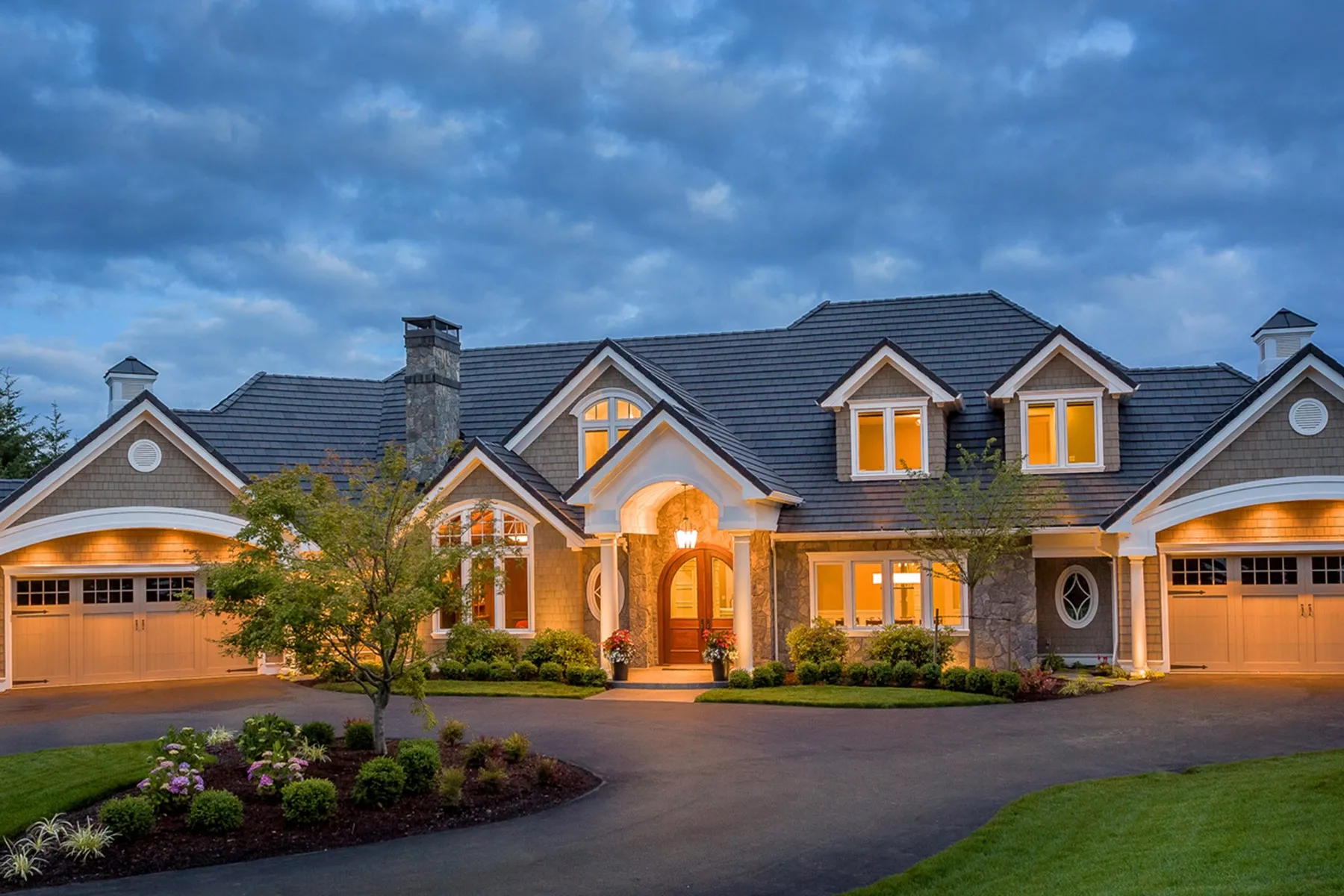
From Blueprints to Smart Homes: Evolving House Narratives
The Tech Behind the Walls: How Smart Features Transform Daily Living
Smart homes are rapidly becoming the standard, changing not just how we live, but how we experience our homes. The integration of technology into our living spaces is making a real difference.
Imagine your home learning your habits and adjusting to them automatically with predictive AI. Your house could start cooling down a bit before you usually get home from work, learning your schedule and adjusting the thermostat accordingly to ensure optimal comfort the moment you walk through the door. Waking up naturally can be a challenge, especially during those dark winter months, but smart homes can now mimic natural light cycles, gradually brightening the room to gently rouse you from sleep. Even more impressively, smart homes can now detect potential issues before they become major problems. Sensors can monitor appliances and systems, alerting you to unusual wear and tear. This early detection can save homeowners a significant amount of money on repairs and replacements in the long run.
The Matter protocol is designed to solve the problem of juggling multiple apps to control different devices in your home. Matter is a universal standard that allows smart devices from different manufacturers to communicate with each other seamlessly, meaning you can control all your smart devices – lights, security systems, thermostats, and more – from a single hub or app. Imagine your lights dimming automatically when you start a movie, or your security system arming itself when you leave the house. Matter makes these kinds of integrated experiences a reality, creating a more convenient and enjoyable living environment.
Smart homes are increasingly focused on promoting health and well-being. Indoor air quality can have a significant impact on your health, and smart homes can now monitor air quality in real-time, detecting pollutants and allergens. When air quality drops, smart purifiers can automatically kick in to clean the air, improving your breathing environment. This focus extends to other areas as well, such as smart beds that track sleep patterns and provide personalized recommendations for better rest. By integrating these health-focused features, smart homes are evolving into spaces that actively contribute to our overall well-being.
Security is a top priority for many homeowners, and smart home technology offers a range of features to provide enhanced protection. Biometric authentication, such as facial recognition and fingerprint scanning, is becoming increasingly common in smart homes. For even greater security, some smart home systems are now employing quantum encryption, which is virtually unhackable. These advanced security features work together to create a comprehensive security system that protects your home from both physical and cyber threats, providing you with greater peace of mind.
Old Meets New: Revitalizing Timeless Designs with Modern Touches
The upcoming years are shaping up to be all about breathing new life into classic designs. Think of it as giving your grandmother's antique dresser a stylish makeover, making it fit seamlessly into your modern living room. The key is balance – honoring the past while embracing the conveniences and aesthetics of today.
Forget sterile, minimalist spaces! The trend is swinging towards homes that feel warm, inviting, and full of personality. We're talking about spaces that tell a story, showcasing your unique taste and experiences. Think layered textures, bold patterns, and a mix of vintage finds and contemporary pieces. It's about creating a space that feels truly lived in, not just staged. Ditch the desire for everything to be perfectly matched, because a little bit of eclecticism is what gives a home character. Invest in pieces that are built to last, because high-quality materials not only add a touch of luxury but also contribute to a more sustainable lifestyle. Combine different styles and eras to create a unique and personalized look.
Instead of completely discarding traditional styles, designers are finding creative ways to redefine them with modern functionality. Imagine a kitchen with classic archways and stately finishes, but equipped with state-of-the-art appliances and smart storage solutions. Or picture a living room with rustic furniture, updated with bold, modern artwork and plush, contemporary fabrics. Pair ornate, vintage furniture with bold colors and contemporary fabrics for an unexpected yet harmonious look. Integrate artisan-made pieces to add authenticity and a sense of craftsmanship to your home with hand-woven rugs, pottery, or unique lighting fixtures. Don't shy away from using bold colors and a variety of textures to add depth and visual interest to your space.
We often overlook the ceiling, but it's time to consider it as the "fifth wall"! Statement ceilings are becoming increasingly popular, adding ambiance, depth, and personality to homes. Think textured finishes, decorative treatments, or even bold paint colors. It's a simple yet effective way to elevate the overall design of a room. Explore different textures like wood panels, embossed wallpaper, or even exposed beams for a unique and eye-catching ceiling. Consider adding decorative moldings, medallions, or intricate paint designs to your ceiling. Use creative lighting fixtures to highlight the texture and design of your ceiling, adding another layer of visual interest. The right light can make the space feel complete.
In essence, revitalizing timeless designs with modern touches is about creating a home that is both stylish and comfortable, reflecting your unique personality and celebrating the best of both worlds. It's about embracing the past while looking forward to the future, crafting a space that truly feels like you.
Eco-Living: Merging Green Technology with Comfortable Homes
Homes are evolving, and it's not just about new layouts or fancy gadgets. It's about weaving sustainability into the very fabric of our houses. Think about homes that not only look good but also contribute to a healthier planet. Let's see how technology is helping us achieve this beautiful balance!
Solar power is no longer a futuristic dream; it's a readily available reality! Installing solar panels on your roof can significantly reduce your reliance on traditional energy sources. Think of it: sunlight converted directly into electricity for your home. Solar energy is clean and renewable, so by using it, you're decreasing your carbon footprint and contributing to a healthier environment. While the initial investment can seem daunting, solar panels often pay for themselves over time through reduced electricity bills. Plus, many regions offer incentives and rebates to make the transition even more affordable.
Smart home automation systems can integrate various green technologies, allowing you to manage your home's energy consumption, water usage, and overall environmental impact from a single platform. Imagine controlling your lights, thermostat, appliances, and security system all from your smartphone or tablet. Smart irrigation systems can monitor weather conditions and adjust watering schedules accordingly, preventing water waste. Leak detection systems can also alert you to potential leaks, saving water and preventing damage.
By embracing these green technologies, you're not only making your home more comfortable and convenient but also contributing to a more sustainable future. It’s a win-win! These advancements let us design homes that are both friendly to the environment and enjoyable to live in. So, why not start exploring these options and give your home a green makeover?
The Lifestyle Shift: How Your Home Character Defines Your Way of Living
Our homes are more than just buildings; they're reflections of who we are and how we live. The way we use our living spaces is constantly evolving, and with it, the character of our homes adapts to meet our needs. Let's take a closer look at how lifestyle shifts are reshaping the spaces we call home.
Homes are becoming increasingly personalized, moving away from the cookie-cutter designs of the past. People are seeking spaces that reflect their unique identities and passions. This means incorporating architectural details, vintage finds, and design choices that tell a story. Think bold colors, natural materials, and sustainable elements that create an environment that feels authentic and inspiring. It's about curating a space that speaks to you and supports your individual lifestyle.
While open-plan living was once all the rage, there's a growing trend towards more defined and functional spaces. The pandemic highlighted the need for privacy and dedicated areas for work, relaxation, and hobbies. Multigenerational living is also on the rise, requiring homes to accommodate different needs and lifestyles under one roof. This shift calls for clever design solutions that maximize space and create a sense of separation when needed.
Bringing the outdoors in is another key trend shaping home design. Natural light, indoor plants, and earthy tones are becoming increasingly popular as people seek to create a sense of calm and well-being within their homes. This connection to nature can be achieved through large windows, skylights, and the use of natural materials like wood, stone, and bamboo. Even small touches like adding a few potted plants can make a big difference in creating a more inviting and relaxing atmosphere.
More than ever, homes are seen as sanctuaries – places where we can escape the stresses of daily life and recharge. This emphasis on comfort and well-being is driving trends like cozy furniture, soft textures, and calming color palettes. Creating a relaxing atmosphere is key, whether it's through a dedicated meditation space, a luxurious bathroom, or simply a comfortable reading nook. The goal is to create a home that supports your physical and mental health.
With space often at a premium, multifunctional furniture is becoming increasingly popular. Pieces that can serve multiple purposes, such as sofa beds, storage ottomans, and expandable dining tables, are perfect for maximizing space and adapting to different needs. This trend reflects a desire for flexibility and practicality in our homes, allowing us to make the most of every square inch. It's about choosing furniture that not only looks good but also works hard for us.
Question and Answer
-
What are some innovative ideas for designing a smart home that integrates modern technology?
Designing a smart home involves incorporating technology that enhances convenience, efficiency, and security. Start with integrating smart lighting systems that can be controlled remotely or through voice commands. Use smart thermostats to optimize energy use based on your schedule and preferences. For security, consider installing smart locks and cameras that provide real-time alerts and remote access. Integrating these technologies can create a seamless and efficient living environment that anticipates your needs and enhances your daily life.
-
How can home improvement contractors help in building energy-efficient homes?
Home improvement contractors can assist in building energy-efficient homes by recommending and installing energy-saving materials and technologies. They can suggest high-quality insulation and energy-efficient windows to reduce heating and cooling costs. Contractors can also install solar panels or advise on the best locations for them to maximize energy capture. Additionally, they can help integrate smart home systems that monitor and optimize energy use, ensuring your home is both eco-friendly and cost-effective.
-
What are some ideas for renovating old houses to make them more energy-efficient?
Renovating old houses to improve energy efficiency can involve several strategies. Start by upgrading insulation to reduce heat loss. Replace outdated windows with double or triple-glazed options to improve thermal performance. Install a smart thermostat to better manage heating and cooling systems. Consider adding solar panels or a solar water heater to harness renewable energy. Upgrading appliances to energy-efficient models and switching to LED lighting can also contribute significantly to reducing energy consumption.
-
What are some interior design tips for maintaining the charm of old houses while incorporating modern elements?
To maintain the charm of old houses while adding modern elements, focus on blending vintage aesthetics with contemporary functionality. Retain original features such as moldings and hardwood floors, and pair them with modern furniture and bold artwork. Use a neutral color palette as a base, then add pops of color with accessories and textiles. Incorporate smart home technology subtly, ensuring it complements rather than detracts from the home's character. This balanced approach preserves the timeless appeal while enhancing convenience and style.
References:
- https://ecosmarthomepros.com/the-future-of-smart-homes-top-technology-trends-in-2025/
- https://www.precedenceresearch.com/smart-home-market
- https://www.strategicmarketresearch.com/blogs/smart-home-statistics
- https://www.rentastic.io/blog/smart-home-trends-in-real-estate-2025
- https://promwad.com/news/smart-home-trends-2025