
Navigating the World of Bathroom Remodeling: A Comprehensive Guide for American Homeowners
Bathroom remodeling is a popular home improvement project among American homeowners. Whether you're looking to update an outdated space, increase functionality, or boost your home's resale value, a well - planned bathroom remodel can make a world of difference.
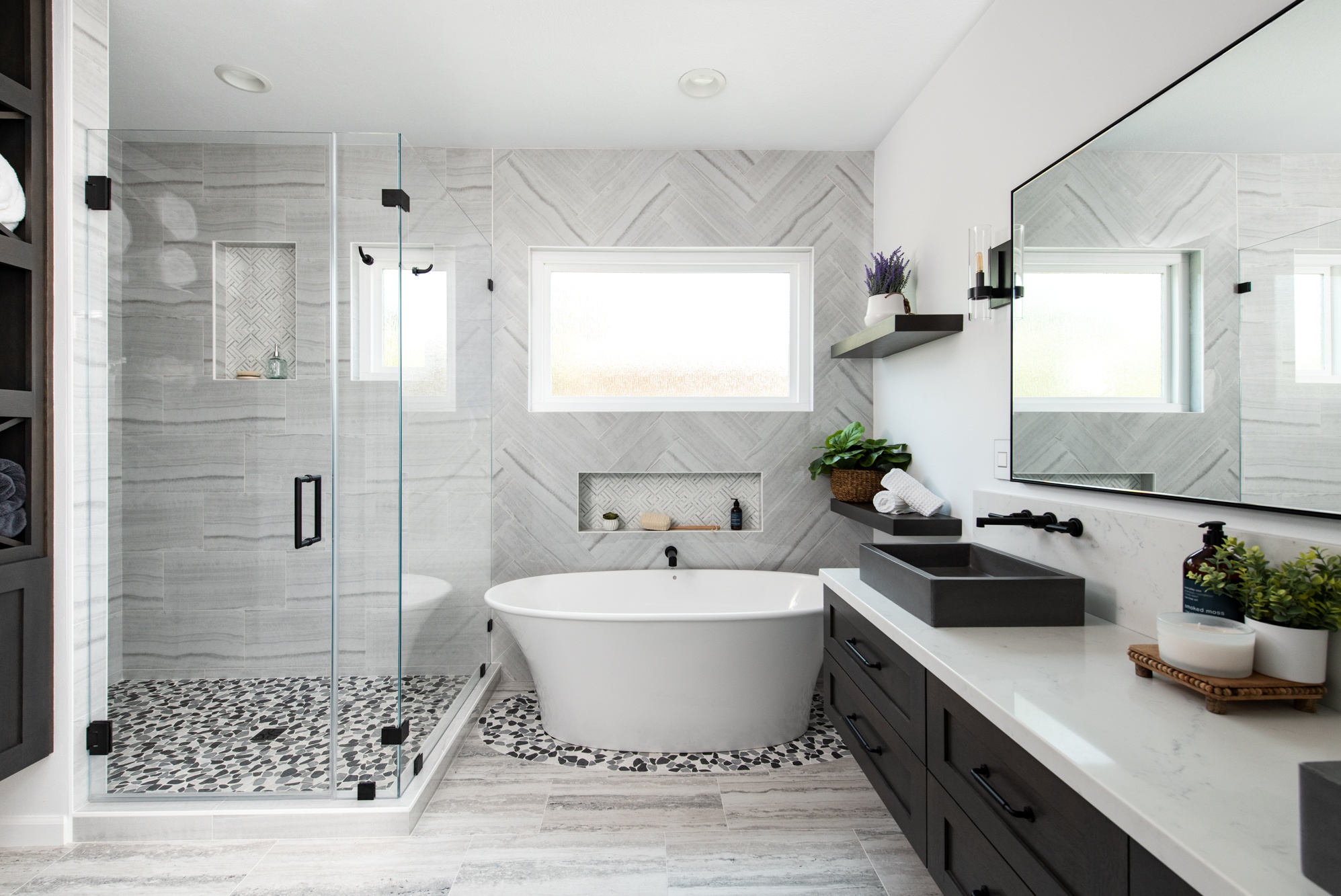
Types of Bathroom Remodels
Cosmetic Remodel
A cosmetic bathroom remodel is the most basic type of renovation. It typically involves updating the aesthetic elements of the bathroom without making significant structural changes. This could include painting the walls, replacing the vanity top, changing the faucet and showerhead, and updating the lighting fixtures. For example, you might choose to swap out an old, worn - out vanity with a modern, more stylish one. You could also update the tile backsplash behind the sink for a fresh look. A cosmetic remodel is often the most budget - friendly option, with costs ranging from 1,500 to 5,000, depending on the quality of materials and the extent of the changes.
Partial Remodel
A partial bathroom remodel goes a step further than a cosmetic one. It may involve replacing major fixtures such as the bathtub, toilet, or shower. In some cases, you might also consider re - tiling the floor or walls in part of the bathroom. For instance, if your bathtub is old and cracked, you could replace it with a new, more efficient model. You might also choose to update the flooring in the shower area with slip - resistant tiles. This type of remodel usually costs between 5,000 and 15,000. The cost can vary based on factors like the type of fixtures you choose and whether you need to make any minor plumbing or electrical adjustments.
Full Remodel
A full bathroom remodel is a more extensive project. It often involves a complete overhaul of the bathroom, including changing the layout. This could mean moving the toilet, sink, or shower to different locations. You might also consider adding more storage space, such as installing built - in cabinets or expanding the linen closet. For a master bathroom, you could even add a jacuzzi or a larger, more luxurious shower. A full remodel can be quite costly, with prices typically ranging from 15,000 to 50,000 or more. This is because it may require significant plumbing and electrical work, as well as higher - quality materials.
Planning Your Bathroom Remodel
Set a Budget
Before you start any bathroom remodeling project, it's crucial to set a realistic budget. Consider how much you can afford to spend and allocate your funds accordingly. Remember to factor in not only the cost of materials and labor but also any unexpected expenses that may arise. According to a recent survey by the National Association of Home Builders, the average cost of a mid - range bathroom remodel in the United States is around 20,000,while a high−end remodel can cost upwards of 50,000.
|
Remodel Type
|
Average Cost Range
|
|
Cosmetic Remodel
|
1,500−5,000
|
|
Partial Remodel
|
5,000−15,000
|
|
Full Remodel
|
15,000−50,000+
|
Determine Your Goals
Think about what you want to achieve with your bathroom remodel. Are you looking for more space, better functionality, or a more modern aesthetic? Do you want to add a jacuzzi for relaxation or create a more accessible bathroom for an aging family member? Clearly defining your goals will help you make decisions throughout the remodeling process.
Research Building Codes
It's essential to be aware of local building codes before starting your bathroom remodel. These codes govern everything from the placement of electrical outlets near water sources to the minimum size of showers and toilets. For example, in most areas, electrical outlets within six feet of a water source must be ground - fault circuit - interrupter (GFCI) protected. Violating building codes can lead to costly fines and may even cause problems when it comes time to sell your home.
Choosing the Right Materials
Tiles
Tiles are a popular choice for bathroom floors and walls. They come in a wide variety of materials, including ceramic, porcelain, and natural stone. Ceramic tiles are relatively inexpensive and easy to install. They are available in many colors and patterns, making it easy to find one that suits your style. Porcelain tiles, on the other hand, are more durable and water - resistant. They are a great choice for areas that are prone to moisture, such as showers. Natural stone tiles, like marble or granite, add a touch of luxury to the bathroom but require more maintenance, as they can be porous and may stain easily.
Vanities
Vanities are an important part of any bathroom. They come in different styles, sizes, and materials. Wood vanities are a classic choice and can add warmth to the bathroom. However, they need to be properly sealed to prevent water damage. MDF (medium - density fiberboard) vanities are more affordable and can be painted or laminated to look like wood. There are also modern options like floating vanities, which can give the bathroom a more spacious look. When choosing a vanity, consider the amount of storage space you need and the style that complements the rest of the bathroom.
Toilets
Toilets have come a long way in terms of technology and design. There are different types to choose from, including one - piece and two - piece toilets. One - piece toilets are more aesthetically pleasing as they have a seamless look, while two - piece toilets are often more affordable. You also need to consider the flush mechanism. Dual - flush toilets are becoming increasingly popular as they allow you to save water by using less water for liquid waste.
Comparing Bathroom Remodeling Contractors: Competitor Analysis
|
Factor
|
Local Small - Scale Contractors
|
National Franchise Contractors
|
Online - Only Contractors
|
|
Cost
|
May offer more competitive prices as they have lower overheads. However, prices can vary widely depending on the contractor's experience and reputation.
|
Usually have set price ranges based on their brand standards. May be more expensive due to franchise fees, but can offer package deals.
|
Can sometimes offer lower prices as they may have lower operating costs. However, be cautious as quality may vary, and hidden costs may apply.
|
|
Experience
|
Some local contractors may have extensive experience in the area, knowing the local building codes and common issues. Others may be new and less experienced.
|
Franchise contractors often have standardized training programs for their employees, ensuring a certain level of expertise. But the actual experience of the crew on your project can still vary.
|
Online - only contractors may have a mix of experienced and less - experienced workers. It can be harder to gauge their real - world experience without local references.
|
|
Customer Service
|
Local contractors may offer more personalized service as they rely on word - of - mouth in the community. They can be more responsive to your specific needs.
|
Franchise contractors usually have established customer service channels, but the level of personal attention may be less compared to local contractors.
|
Online - only contractors may have limited customer service options, and communication can be more challenging, especially if there are issues during the project.
|
|
Warranty
|
Local contractors may offer their own warranties, which can be more flexible but may also be less reliable if the contractor has financial issues.
|
Franchise contractors typically have a corporate - backed warranty, which can be more reassuring.
|
Online - only contractors' warranties can be difficult to enforce, and the terms may be less favorable.
|
Installation and Maintenance
Installation
The installation process of bathroom fixtures and materials is crucial for the long - term performance of your remodel. Tiles need to be properly laid to prevent water leakage. Vanities should be installed securely to avoid tipping. When it comes to plumbing and electrical work, it's highly recommended to hire a licensed professional. Incorrect installation of plumbing pipes can lead to leaks, which can cause water damage to your home. Similarly, improper electrical work can pose a safety hazard.
Maintenance
Once your bathroom remodel is complete, proper maintenance is key to keeping it in good condition. Tiles should be regularly cleaned to prevent the build - up of grime and mold. Vanities should be wiped down and any spills should be cleaned up immediately to prevent staining. Toilets should be flushed regularly and descaled as needed. If you have a jacuzzi, it requires more extensive maintenance, including regular water treatment and filter cleaning.
FAQs
Q: How long does a bathroom remodel take?
A: The time it takes to remodel a bathroom depends on the type of remodel. A cosmetic remodel can take as little as a few days to a week, while a partial remodel may take 2 - 4 weeks. A full remodel can take anywhere from 4 - 8 weeks or more, depending on the complexity of the project and any unforeseen issues.
Q: Do I need a permit for my bathroom remodel?
A: In most cases, yes. A full bathroom remodel, especially if it involves plumbing or electrical work, will likely require a permit. Even some partial remodels may need a permit. It's best to check with your local building department before starting your project.
Q: Can I save money by doing some of the work myself?
A: You can save money by doing some of the less - technical work yourself, such as painting or installing certain fixtures. However, plumbing and electrical work should be left to professionals to ensure safety and compliance with building codes.