
Navigating Primary Immunodeficiency: Exploring Immunoglobulin Therapy Options
Understanding the complex tapestry of genetic diseases affecting the body's natural defense can be daunting. These conditions leave individuals vulnerable to frequent infections. Innovative therapies have emerged, offering a beacon of hope to enhance resilience and improve life quality for those facing these challenging health issues.
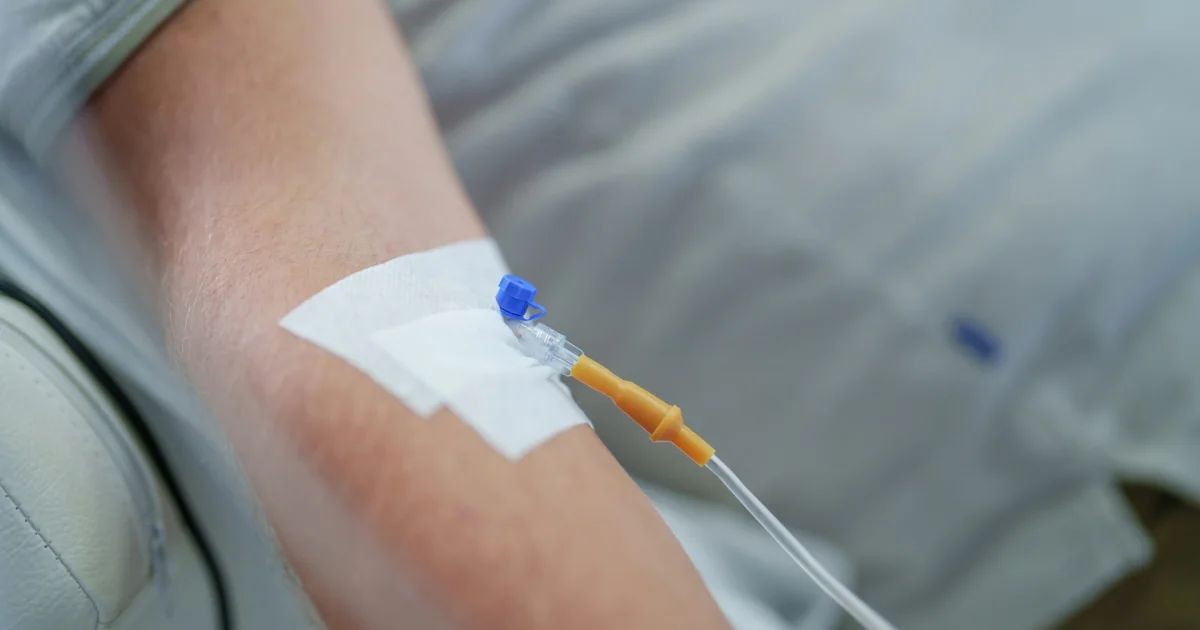
The Foundation: How Immunoglobulin Therapies Function
Immunoglobulin therapies are pivotal in managing disorders that affect the body's defense mechanisms. These treatments work by providing essential antibodies that bolster the immune system, enabling it to fend off infections more effectively.
Understanding Passive Immunity
Passive immunity refers to the direct introduction of antibodies into a person's system rather than the antibodies being produced naturally. Immunoglobulin therapies, like intravenous immunoglobulin (IVIG) and subcutaneous immunoglobulin (SCIG), are prime examples. By supplying pre-prepared antibodies, these therapies protect against pathogens that might otherwise lead to illness. In essence, while the body might struggle to produce sufficient antibodies due to genetic factors, immunoglobulin treatment fills this gap, ensuring that patients have the necessary defenses.
Modulating the Immune System
In addition to supplementing antibodies, immunoglobulin therapies exert influence over the immune response, ensuring it neither overreacts nor underreacts. This modulation is crucial for patients with complex immune disorders, where the body's defense system may be either hyperactive or insufficiently active. Immunoglobulins can 'train' immune cells to respond more appropriately to threats, balancing the immune system's activities—an effect that is particularly beneficial for managing conditions characterized by immune system dysregulation.
Breaking Down Treatment Modes: A Closer Look at Administration
Different administration routes for immunoglobulin therapies offer varied benefits and cater to diverse patient needs and preferences.
Intravenous Versus Subcutaneous Options
Immunoglobulin therapies can be administered intravenously (IVIG) or subcutaneously (SCIG), and each method presents unique characteristics:
| Treatment Type | Administration Method | Frequency |
|---|---|---|
| IVIG | Intravenous | Every 3-4 weeks |
| SCIG | Subcutaneous | Daily to every 2 weeks |
| SCIG with Hyaluronidase | Subcutaneous with enzyme | Every 3-4 weeks |
Data Source: Example Data, Published March 2024
IVIG is typically given in a clinic setting due to the need for an infusion directly into the bloodstream, allowing for uninterrupted introduction of a large antibody dose, which is beneficial for those requiring robust immediate defenses. In contrast, SCIG allows more flexibility and self-management, often administered at home, providing patients with more autonomy over their treatment regimen.
Frequency and Patient Impact
The frequency of treatments varies greatly depending on the method. IVIG, administered every 3-4 weeks, may suit patients who prefer less frequent clinic visits. Conversely, SCIG, requiring more regular dosing (daily to biweekly), might appeal to those valuing at-home convenience and smoother serum antibody levels without peaks and troughs. The option of SCIG with hyaluronidase further simplifies less frequent, larger volume subcutaneous administration, thus closely mimicking IVIG regimens in frequency.
Personalized Strategies: Tailoring Treatments to Individuals
Advancements in medical research emphasize the customization of immunoglobulin therapy based on individual needs, offering greater efficacy and patient satisfaction.
Considerations in Choosing Between IVIG and SCIG
The decision between IVIG and SCIG considers several factors: lifestyle, severity of condition, access to healthcare facilities, and patient preference. While IVIG provides high antibody levels at once, it’s time-consuming and requires clinical resources. SCIG offers patients flexibility and minimal disruption to daily life, often preferred by those who face difficulties accessing clinic facilities or who favor at-home care.
Optimizing Immunotherapy and its Outcomes
Healthcare providers aim to personalize these therapies by assessing and tailoring the dose and administration schedule to the patient’s immune response and lifestyle. Regular monitoring ensures therapy effectiveness and enables swift adjustments in the treatment plan if necessary, optimizing outcomes while preventing adverse effects.
Preparing for the Future: Innovations on the Horizon
While immunoglobulin therapy continues to be foundational, researchers are investigating new technologies and treatment methods to enhance patient outcomes and experience.
Emerging Treatment Modalities
Hematopoietic stem cell transplantation (HSCT) offers curative potential, but traditional approaches pose significant risks. Innovative techniques are being developed that minimize these risks through less toxic conditioning, enhancing the transplant process. Antibody-based strategies, like the use of JSP191, promise safer conditioning by targeting specific cells, are under investigation, with encouraging preliminary clinical data suggesting success in enabling donor cell engraftment.
Future of Customized Therapies
The continued trend toward personalized medicine, integrating genetic information with clinical data to better customize treatments, is likely to significantly benefit PI management. The customization will assure compatibility with each patient's unique genetic makeup and health profile, underscoring a future where treatment regimens are as unique as the patients themselves.
Q&A
-
What is Immunoglobulin Treatment and how does it work?
Immunoglobulin Treatment, also known as Immune Globulin Therapy, involves the administration of antibodies to help patients who have immune deficiencies. This treatment works by providing the necessary antibodies that the patient's own body cannot produce in adequate amounts, thus helping to fight off infections and improve the immune response.
-
What are the different options available for Immunoglobulin Therapy?
There are several options for Immunoglobulin Therapy, including intravenous immunoglobulin (IVIG) and subcutaneous immunoglobulin (SCIG). IVIG is administered directly into the bloodstream, usually in a hospital or clinic setting, while SCIG is injected under the skin and can often be done at home. The choice between these options depends on factors like the patient's condition, lifestyle, and how their body responds to the treatment.
-
How is Immunoglobulin Therapy used in the treatment of Primary Immunodeficiencies?
In the treatment of Primary Immunodeficiencies, Immunoglobulin Therapy is crucial as it provides the missing antibodies that patients with these conditions cannot produce. It helps to prevent infections, reduce the severity of infections, and improve the overall quality of life for these patients. Regular administration is often required to maintain adequate antibody levels.
-
What approach should be taken for patients suspected of having an immunodeficiency?
For patients suspected of having an immunodeficiency, a comprehensive approach should be taken, starting with a detailed medical history and physical examination. Diagnostic tests, including blood tests to measure immunoglobulin levels and function, are essential. Genetic testing may also be considered to identify specific types of immunodeficiency. Early diagnosis and treatment are crucial to manage symptoms and prevent complications.
-
What clinical features might identify children with Primary Immunodeficiency Diseases?
Clinical features that may identify children with Primary Immunodeficiency Diseases include recurrent infections, infections that are unusually severe or caused by uncommon organisms, failure to thrive, and a family history of immunodeficiency. Early recognition of these signs can lead to prompt testing and treatment, improving outcomes for affected children.