
Migraine Relief: A Comprehensive Guide to OTC and Non-OTC Treatment Options
Migraines are a debilitating condition that affects millions of Americans every year. Understanding how to manage and treat migraines effectively can significantly improve quality of life. This article will explore various over-the-counter (OTC) and non-OTC treatment options, discuss potential triggers, and provide tips for preventing frequent migraines.
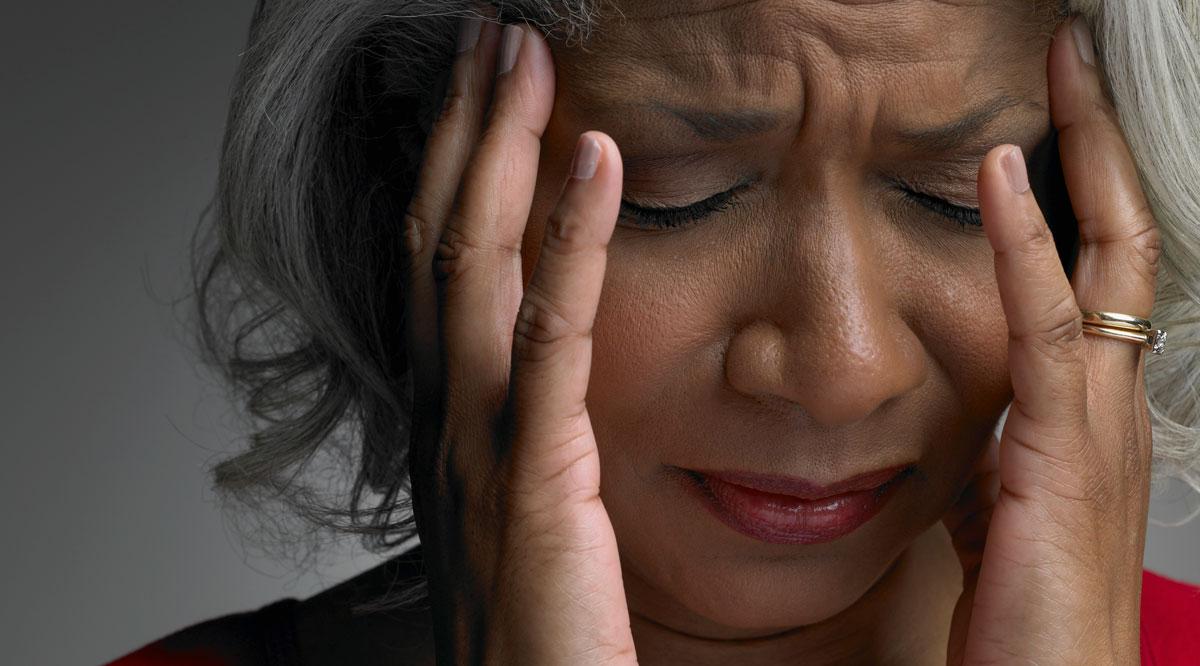
What Are Migraines Caused From?
-
Hormonal Changes: Fluctuations in estrogen, particularly in women, can trigger migraines. This can happen during menstruation, pregnancy, or menopause.
-
Dietary Factors: Certain foods and drinks, such as aged cheeses, alcohol, and caffeine, can trigger migraines.
-
Stress: Emotional stress is a common trigger for migraines.
-
Sensory Stimuli: Bright lights, loud noises, and strong smells can provoke migraines.
-
Sleep Disturbances: Both lack of sleep and excessive sleep can trigger migraines.
-
Physical Exertion: Intense physical activity can sometimes lead to migraines.
How to Stop Frequent Migraines?
-
Identify and Avoid Triggers: Keeping a migraine diary can help identify specific triggers. Avoiding these triggers can reduce the frequency of migraines.
-
Manage Stress: Techniques such as meditation, yoga, and deep breathing exercises can help manage stress levels.
-
Regular Sleep Schedule: Maintaining a consistent sleep schedule can help prevent migraines.
-
Healthy Diet: Eating regular, balanced meals and avoiding foods known to trigger migraines can be beneficial.
-
Regular Exercise: Moderate, regular exercise can help reduce the frequency and severity of migraines.
How Do You Make a Migraine Go Away?
Over-the-counter (OTC) Medications
-
Pain Relievers: OTC pain relievers such as ibuprofen (Advil), aspirin, and acetaminophen (Tylenol) can be effective for mild to moderate migraines.
-
Combination Medications: Some OTC medications combine pain relievers with caffeine (Excedrin Migraine), which can enhance pain relief.
Non-OTC Medications
-
Triptans: Prescription medications like sumatriptan (Imitrex) and rizatriptan (Maxalt) can be effective for moderate to severe migraines.
-
Ergotamines: Medications like dihydroergotamine (Migranal) are sometimes prescribed for migraines.
-
Anti-nausea Medications: These can help alleviate nausea and vomiting associated with migraines.
Non-Medical Treatments
-
Rest in a Dark, Quiet Room: Reducing sensory stimuli can help alleviate migraine symptoms.
-
Cold or Hot Compresses: Applying a cold or hot compress to the head or neck can provide relief.
-
Hydration: Drinking plenty of water can help, as dehydration can worsen migraine symptoms.
-
Caffeine: In small amounts, caffeine can help relieve migraine pain in the early stages.
What is the Fastest Migraine Relief Medicine?
What Foods Trigger Migraines?
-
Aged Cheeses: Cheeses such as blue cheese, cheddar, and parmesan contain tyramine, which can trigger migraines.
-
Alcohol: Red wine and beer are common triggers.
-
Caffeine: While small amounts can help, excessive caffeine intake can lead to migraines.
-
Processed Foods: Foods containing nitrates and MSG, such as hot dogs and processed meats, can trigger migraines.
-
Artificial Sweeteners: Aspartame and other artificial sweeteners can provoke migraines in some people.
-
Chocolate: Contains both caffeine and beta-phenylethylamine, which can trigger migraines.
Migraine Relief Treatment Nearby
-
Primary Care Physicians: Often the first point of contact for migraine management.
-
Neurologists: Specialists in treating migraines and other neurological conditions.
-
Pain Management Clinics: Offer comprehensive pain management strategies.
-
Urgent Care Centers: Can provide immediate relief for severe migraine attacks.
-
American Migraine Foundation - https://americanmigrainefoundation.org
-
Mayo Clinic - https://www.mayoclinic.org