
Flat Roof Renovation Tips for Homeowners: Materials, Maintenance, and Modern Solutions
Flat roof renovation is a critical aspect of maintaining the structural integrity and energy efficiency of your home or commercial building. Whether you're dealing with leaks, aging materials, or insulation issues, this guide will walk you through the essentials of flat roof renovation, including material choices, costs, and professional insights.
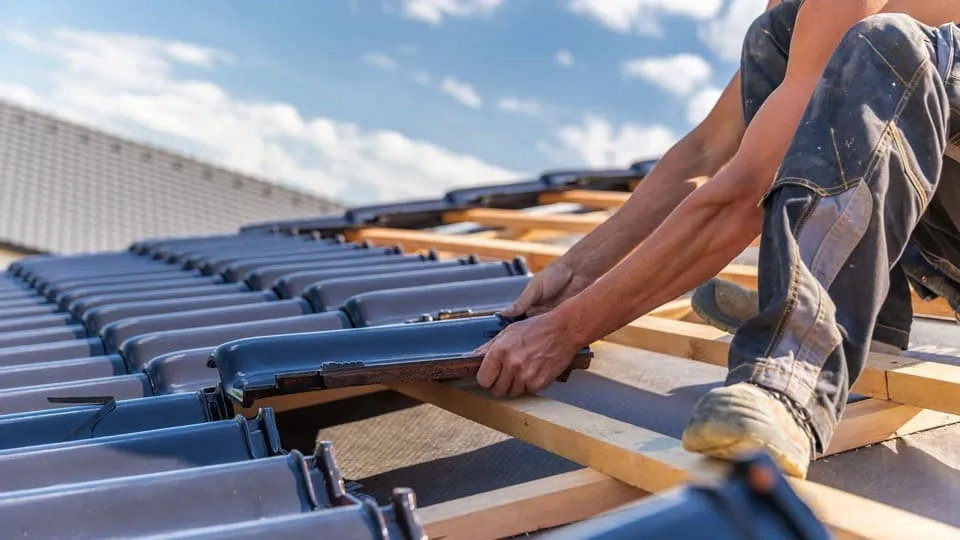
1. What is Flat Roof Renovation?
Flat roof renovation involves repairing, replacing, or upgrading a flat or low-slope roof to extend its lifespan, improve performance, and enhance aesthetics. Unlike pitched roofs, flat roofs require specialized materials and techniques to ensure proper drainage and durability.
Why are Flat Roofs Popular?
-
Cost-Effective: Flat roofs are typically more affordable to install compared to pitched roofs.
-
Space Utilization: They can be used for rooftop gardens, solar panels, or HVAC systems.
-
Modern Aesthetics: Flat roofs are a hallmark of contemporary architecture.
|
Feature
|
Flat Roof
|
Pitched Roof
|
|
Cost
|
Affordable
|
Higher installation costs
|
|
Drainage
|
Needs proper waterproofing
|
Natural drainage due to slope
|
|
Usable Space
|
Can be utilized for extra functions
|
Limited due to incline
|
2. Common Issues with Flat Roofs
Flat roofs, while practical and modern, are prone to specific issues that require attention during renovations.
2.1 Leaks and Water Damage
Flat roofs are particularly susceptible to leaks due to water pooling. Without proper drainage, water can accumulate in low spots, leading to leaks that damage both the roof and interior. Over time, this can result in mold, rot, and costly repairs if not addressed promptly.
2.2 Aging Materials
Materials like EPDM rubber or asphalt roofing can degrade over time, losing their flexibility and strength. Exposure to UV rays, temperature fluctuations, and harsh weather conditions accelerates this process, resulting in cracks, tears, and reduced effectiveness. Regular maintenance and replacement are necessary to ensure longevity.
2.3 Poor Insulation
A poorly insulated flat roof leads to significant energy inefficiency. In winter, heat escapes through the roof, causing heating costs to rise. In summer, inadequate insulation allows heat to penetrate, making cooling systems work harder. Proper insulation can help maintain energy efficiency and reduce utility bills.
2.4 Structural Issues
Flat roofs are more likely to sag under heavy loads if not properly supported. In regions with heavy snowfall, this becomes a serious concern as snow accumulates on the roof. If the roof is not adequately reinforced, it may compromise structural integrity, leading to expensive repairs or even collapse.
3. Popular Flat Roof Renovation Materials
Selecting the right material is crucial for a successful flat roof renovation. Each material offers unique advantages based on your budget, climate, and building type.
3.1 EPDM Roofing
-
Description: A durable rubber membrane commonly used for flat roofs.
-
Advantages: Affordable, lightweight, and resistant to UV rays and weather.
-
Drawbacks: Can puncture easily and may require frequent maintenance.
3.2 Modified Bitumen
-
Description: Asphalt-based material reinforced with fiberglass or polyester.
-
Advantages: Durable, weather-resistant, and suitable for extreme temperatures.
-
Drawbacks: Requires professional installation and regular inspections.
3.3 TPO Roofing (Thermoplastic Polyolefin)
-
Description: A single-ply roofing material known for its energy efficiency.
-
Advantages: Reflects heat, reduces energy costs, and is recyclable.
-
Drawbacks: Can be more expensive than other options.
3.4 Metal Roofing
-
Description: Long-lasting and durable, often used for garages or industrial buildings.
-
Advantages: Resistant to fire and weather, low maintenance.
-
Drawbacks: Higher upfront cost and noise during rain.
3.5 Built-Up Roofing (BUR)
-
Description: Layers of tar and gravel for a durable, waterproof surface.
-
Advantages: Excellent protection against water and UV rays.
-
Drawbacks: Heavy and requires professional installation.
|
Material
|
Lifespan
|
Cost per Square Foot
|
Best For
|
|
EPDM Roofing
|
20-30 years
|
$4-$8
|
Residential and commercial
|
|
Modified Bitumen
|
10-20 years
|
$3-$6
|
Harsh weather conditions
|
|
TPO Roofing
|
15-20 years
|
$5-$10
|
Energy-efficient buildings
|
|
Metal Roofing
|
30-50 years
|
$7-$12
|
Garages, industrial spaces
|
|
Built-Up Roofing (BUR)
|
15-30 years
|
$5-$12
|
Extreme weather areas
|
4. Steps in Flat Roof Renovation
Flat roof renovation involves several steps, from initial assessment to final installation. Here’s a step-by-step breakdown:
Step 1: Inspection and Assessment
-
Identify problem areas such as leaks, cracks, and structural issues.
-
Use tools like infrared cameras to detect hidden damage.
Step 2: Choosing the Right Material
-
Consider factors like durability, climate, and budget.
-
Consult roofing experts or use construction modeling software to visualize options.
Step 3: Removing the Old Roof
-
Tear off the old roofing material to inspect the underlying structure.
-
Address any issues like rot or weakened support beams.
Step 4: Installing New Roofing Material
-
Lay down a waterproof membrane or insulation layer.
-
Install the selected roofing material, ensuring proper sealing and drainage.
Step 5: Final Inspection and Maintenance Plan
-
Conduct a thorough inspection to ensure the roof meets quality standards.
-
Establish a maintenance plan for long-term durability.
5. Costs of Flat Roof Renovation
Flat roof renovation costs vary based on materials, labor, and the complexity of the project. Here’s a general cost breakdown:
Average Costs:
-
Material Costs: $3-$12 per square foot, depending on the material.
-
Labor Costs: $2-$5 per square foot.
-
Additional Costs: Insulation, drainage systems, and permits may add $1,000-$3,000 to the total cost.
Cost Comparison by Material
|
Material
|
Material Costs($)
|
Labor Costs($)
|
Total Cost (per sq. ft.)($)
|
|
EPDM Roofing
|
4-8
|
2-4
|
6-12
|
|
TPO Roofing
|
5-10
|
3-5
|
8-15
|
|
Metal Roofing
|
7-12
|
3-6
|
10-18
|
6. Competitors and Alternatives
Flat roof renovation often involves comparing different service providers and materials. Here are some competitors and alternatives:
Competitors in Roofing Materials:
-
Asphalt Shingles: Affordable but not ideal for flat roofs.
-
PVC Roofing: Similar to TPO but more expensive.
-
Fiberglass Roofing: Lightweight and durable but requires professional installation.
Best Flat Roof Renovation Companies:
-
Home Renovation Companies Nearby: Offer comprehensive services including roofing, concrete repairs, and more.
-
Rubber Products Suppliers: Specialize in EPDM and other rubber-based materials.
-
Field Services Management Software Users: Contractors using advanced software for efficient project management.
7. Questions and Answers (FAQ)
Q: How long does a flat roof renovation take?
A: Most flat roof renovations take 1-3 weeks, depending on the size and complexity of the project.
Q: Can I renovate my flat roof myself?
A: While minor repairs can be DIY, full renovations require professional expertise to ensure proper installation and longevity.
Q: How often should I inspect my flat roof?
A: Inspect your flat roof twice a year and after severe weather events to catch issues early.
Q: What is the most durable flat roofing material?
A: Metal roofing has the longest lifespan (30-50 years), but EPDM and TPO are also durable options.
Flat roof renovation is an essential investment in your property’s longevity and functionality. By understanding the materials, costs, and renovation process, you can make informed decisions that save money and enhance your building's performance. Whether you’re seeking professional services or exploring DIY options, planning and proper materials are key to success.