
Exploring the Path to Becoming a Personal Support Worker
As the demand for healthcare services continues to grow amid a rapidly aging population, the need for skilled PSWs is more important than ever. This article explores the various aspects of PSW courses, including certifications, diplomas, and the benefits of pursuing a career as a PSW.
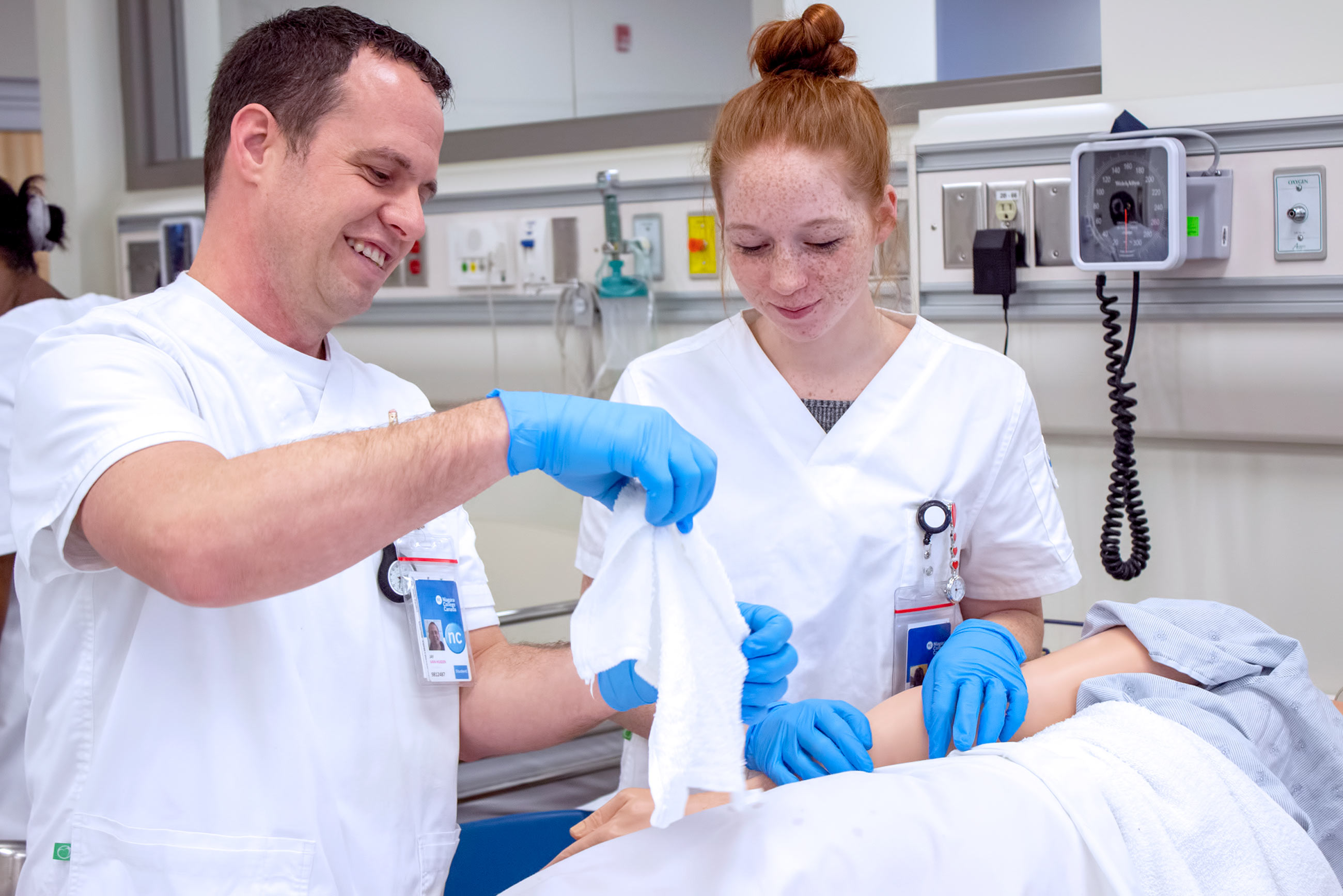
What is a Personal Support Worker?
A Personal Support Worker (PSW) is a healthcare professional who provides care and support to individuals who are elderly, disabled, or recovering from illness or surgery. Their responsibilities include assisting with daily activities such as bathing, dressing, feeding, and mobility. PSWs often find themselves in positions of great trust with the families and communities they serve, offering companionship and emotional support in addition to their physical and medical assistance. PSWs work in various settings, including hospitals, long-term care facilities, and private homes. Each environment comes with its unique set of responsibilities and challenges, requiring PSWs to adapt their skills to meet different needs. In long-term care facilities, for instance, a PSW might focus on routine medical tasks and helping maintain hygiene standards, whereas in private homes, they might manage nutrition plans and provide personalized companionship.
PSW Certificate vs. PSW Diploma
When considering a career as a PSW, one of the first decisions you'll need to make is whether to pursue a PSW Certificate or a PSW Diploma. Both options provide essential training and education for aspiring PSWs, but differ in terms of depth and duration. Understanding these differences can help you choose the path that best aligns with your career aspirations and available resources.
PSW Certificate
A PSW Certificate typically takes 6 to 12 months to complete, depending on the institution and whether the student attends full-time or part-time. This program focuses on foundational skills and knowledge essential for the role of a PSW. It is particularly suitable for those seeking entry-level positions, and those who wish to penetrate the workforce promptly after their studies. Certificate programs often include hands-on training and clinical placements, allowing students to apply theoretical knowledge in practical settings. Students are taught basic patient care principles, enabling them to assist in day-to-day activities like grooming and feeding in a compassionate and effective manner.
PSW Diploma
A PSW Diploma usually takes 1 to 2 years to complete, providing more in-depth training and education compared to a certificate. This program offers advanced skills, equipping graduates with the abilities needed for career advancement and specialization. A diploma program includes additional coursework in specialized areas such as palliative care, cognitive and mental health, and communication strategies tailored for different populations. More extensive clinical placements further enrich the practical experience, fostering confidence and competence in a wider array of caregiving scenarios.
| Program Type | Duration | Focus | Career Level |
| PSW Certificate | 6-12 months | Foundational skills | Entry-level |
| PSW Diploma | 1-2 years | In-depth training and specialization | Advanced opportunities |
Source: Ontario College of Health Studies
Benefits of Pursuing a Career as a Personal Support Worker
Becoming a Personal Support Worker offers numerous benefits that can make it a rewarding career choice for many individuals. Let's explore some of these benefits more deeply:
-
Job Security: With an aging population, there is a growing demand for healthcare services, ensuring job stability for PSWs. The healthcare industry is one of the few sectors with an ever-expanding demand, offering PSWs the assurance of continued employment opportunities. According to statistics from the Government of Canada, the demand for healthcare support occupations, including PSWs, is expected to grow significantly in the coming years.
-
Rewarding Work: Helping individuals improve their quality of life can be incredibly fulfilling. PSWs frequently build strong personal relationships with those they care for, deriving satisfaction from both the small accomplishments of daily improvement and the gratitude of those they assist. The impact of their work not only changes the lives of individuals but also creates ripples in communities by fostering independence and dignity.
-
Flexible Work Opportunities: PSWs can work in various settings, including hospitals, nursing homes, and private residences. This flexibility allows them to find roles that suit their personal circumstances and preferences. Whether working autonomously in a private home setting or as part of a team in a bustling hospital, PSWs have numerous career options to explore.
-
Career Advancement: With additional training and experience, PSWs can advance into supervisory roles or specialize in areas like palliative care or rehabilitation support, which often come with higher salaries and increased responsibilities. This career pathway not only increases job satisfaction but also expands the financial and professional horizons for those dedicated to the field.
Choosing the Right PSW Course Near Me
When selecting a PSW course near you, it's essential to make an informed decision to ensure your education aligns with your career goals. Consider the following factors:
Accreditation
Ensure that the program you choose is accredited by relevant healthcare authorities. Accreditation guarantees that the curriculum meets industry standards and that your qualifications will be recognized by employers. Accreditation is also a testament to the quality of education you are likely to receive, impacting both your learning experience and future career prospects.
Curriculum
Review the course curriculum to ensure it covers essential topics such as:
- Anatomy and physiology: A comprehensive understanding of the human body is vital for PSWs to effectively assist with mobility and daily care.
- Patient care techniques: Learning varied techniques prepares PSWs for a range of scenarios involving patient interaction.
- Communication skills: Effective communication is key in providing quality care and in handling patient and family concerns.
- Infection control: Safety is paramount, and PSWs must know how to maintain hygiene standards to protect themselves and those they care for.
Evaluating whether a program offers these subjects thoroughly will help you measure its ability to suit your educational needs.
Clinical Placements
Hands-on experience is crucial for developing practical skills. Look for programs that offer clinical placements or internships in reputable healthcare facilities. These experiences provide vital, real-world learning opportunities that classroom education alone cannot offer. Clinical placements allow students to observe seasoned professionals, receive mentorship, and apply their learned skills directly, thus greatly enhancing confidence and competence.
Cost and Financial Aid
Consider the cost of tuition and any available financial aid options. Depending on the institution, tuition costs can vary significantly. It's wise to investigate if scholarships, grants, or work-study programs are available, as they can greatly reduce the financial burden. Some institutions offer financial aid packages tailored for students pursuing careers in high-demand fields like healthcare, making it financially viable for more students to enter this profession.
Common Questions About Personal Support Worker Courses
Q: What are the prerequisites for enrolling in a PSW course? A: Prerequisites vary by institution but typically include a high school diploma or equivalent. Some programs may require background checks or immunizations. It's crucial to check with individual faculties to ensure that all admission criteria can be met prior to application to avoid any delays in starting your education.
Q: Can I complete a PSW course online? A: While some coursework may be available online, most programs require in-person attendance for practical training components. Online learning platforms can offer excellent flexibility, allowing students to complete theoretical components at their own pace, but hands-on training remains an essential segment that necessitates direct interaction with patients and equipment.
Q: How much does it cost to enroll in a PSW course? A: Tuition costs vary depending on the institution and program length. On average, expect to pay between $2,000 to $5,000 for tuition. It's important to consider other potential costs as well, such as books, materials, and any transportation fees related to clinical placement locations.
Q: Are there opportunities for career advancement after becoming a PSW? A: Yes! With additional training and experience, you can advance into roles such as team leader, or specialize in areas like mental health support or administration within healthcare facilities. Advanced certifications and experience can lead to increased responsibilities and the opportunity to contribute to healthcare strategies on a broader scale.
Pursuing a career as a Personal Support Worker offers numerous benefits, including job security, flexible work opportunities, and rewarding experiences through helping others improve their quality of life. Additionally, there are potential avenues towards career advancement through further education and specialization within this field, making it an attractive option for those interested in pursuing a healthcare profession overall.
References: