
Backyard Bliss: Crafting Your Personal Retreat
Transforming bland outdoor areas into lush havens of solace involves merging thoughtful design with sustainable practices. Crafting a cozy haven for relaxation and social gatherings can yield beautiful, multifunctional spaces that not only enhance enjoyment but also enrich environmental and community well-being.
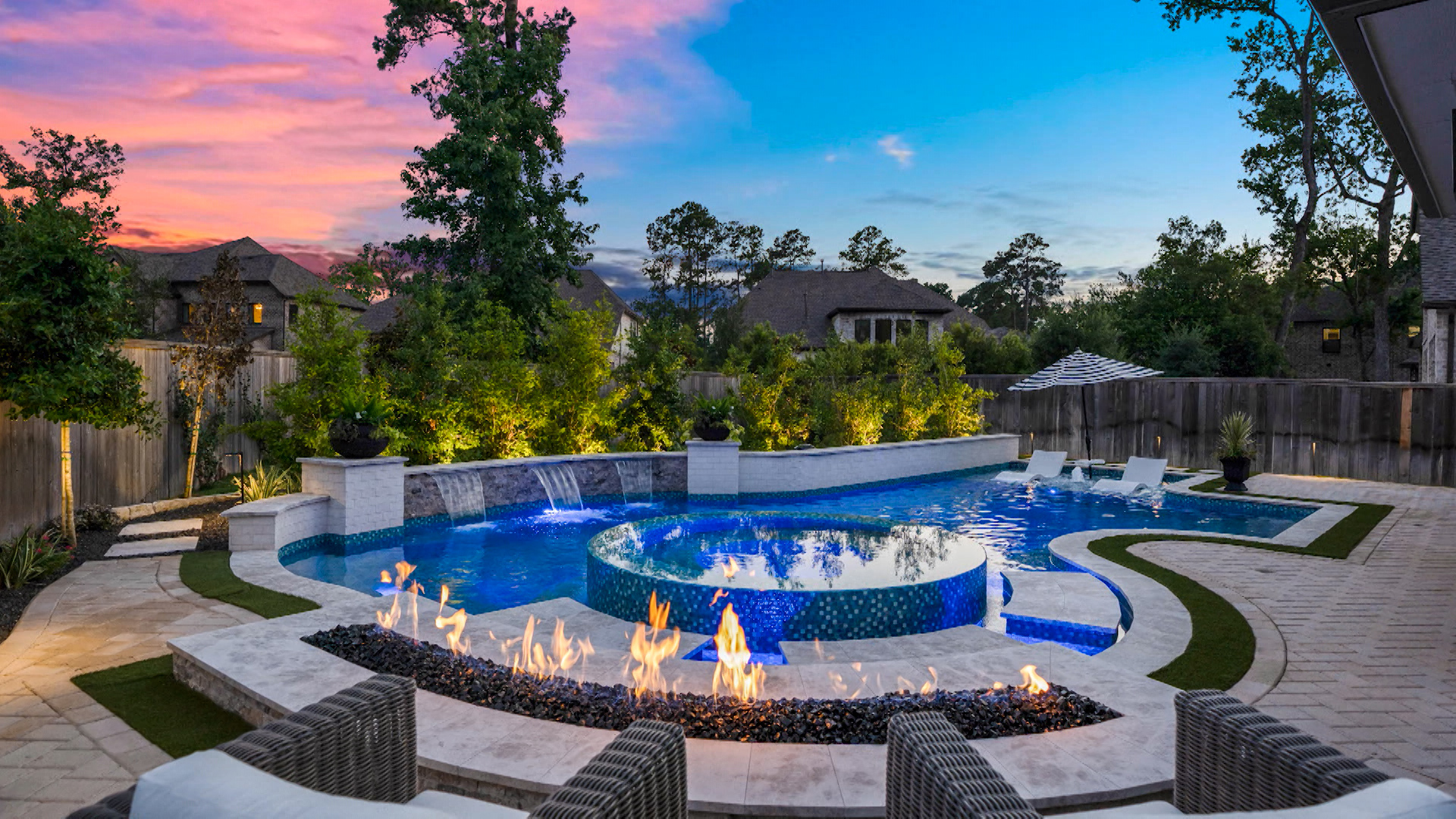
Unlocking Nature's Potential: Adopting Sustainable Practices
Creating a sustainable outdoor space begins with embracing nature in its most authentic form. By opting for indigenous plants and incorporating water-saving techniques, you can achieve an environmentally friendly landscape that's as beautiful as it is responsible.
Native Plants: The Foundation of Sustainability
Native plants are not only essential for biodiversity but also for creating a low-maintenance garden. They are adapted to local conditions and thrive with minimal intervention. This means less watering, fewer fertilizers, and reduced pesticide use.
- Boost Biodiversity: Native plants offer a haven for local wildlife. Birds, butterflies, and insects are naturally attracted to these plants, enhancing the ecological balance in your garden.
- Lower Maintenance Needs: These plants flourish without much effort, saving you time and effort. Turning to native species also cuts down the carbon footprint of garden maintenance.
- Example: Switch from high-maintenance lawn grass to a mix of native wildflowers and grasses, creating an organic and visually pleasing landscape.
Water Conservation: Making Every Drop Count
Sustainable landscaping extends to effective water conservation strategies. Implementing these can significantly diminish water waste and aid in nurturing a greener environment.
- Rainwater Harvesting: Install rain barrels to catch rainwater for irrigation. This method not only conserves water but also reduces reliance on municipal supplies.
- Efficient Irrigation Systems: Smart irrigation controls that respond to weather conditions can optimize water usage and reduce wastage.
- Permeable Surfacing: Choose materials for pathways and patios that allow water infiltration. Such surfaces help in recharging groundwater and reducing storm runoff.
Organic Soil Management: Nurturing the Earth Beneath
Healthy soil is a cornerstone of a flourishing garden. By focusing on natural soil enhancement processes, you support vibrant plant life while safeguarding the ecosystem.
- Composting: Turn kitchen scraps and yard waste into rich compost. This natural fertilizer enhances soil quality and reduces the need for artificial options.
- Limit Chemical Usage: Say no to chemical fertilizers and pesticides to protect beneficial insects and maintain the delicate balance of your garden's ecosystem.
- Green Landscaping: Use techniques like bioswales to manage stormwater effectively, thereby reducing erosion and promoting soil health.
The Art of Space: Integrating Design with Functionality
Designing an outdoor oasis is a synthesis of aesthetics and purposeful use. By thoughtfully planning how your space will function, you create a seamless extension of your home, perfect for both relaxation and entertainment.
Defining Your Oasis: Function First
The first step in landscape design is understanding the purpose your outdoor area will serve. Your activities, whether it be entertaining guests, enjoying personal downtime, or creating a child-friendly space, guide the design decisions.
- Entertaining Needs: Design a space equipped with comfortable seating, dining arrangements, and possibly even an outdoor kitchen.
- Relaxation Goals: Incorporate hammocks, loungers, and perhaps a water feature for a serene atmosphere. Privacy enhancements like tall plantings or screens are crucial.
- Family Engagement: For families, integrate play zones with swing sets or small climbing walls, ensuring safety and enjoyment for children.
Blurring the Lines: Indoor-Outdoor Flow
To make your outdoor area feel like an extension of your home, create continuity between indoor and outdoor spaces.
- Linking Elements: Use similar materials for flooring both inside and outside to foster an integrated look. Sliding glass doors can bridge the gap effectively.
- Visual Continuity: Maintain a visual flow using windows, mirrors, or glass features that connect views across the indoor and outdoor divide.
Creating Zones: Structuring Spaces Within
Even a small garden can benefit from zoning. Designate areas for dining, lounging, or gardening to ensure each function is accommodated.
- Dining Zones: Create separate, cozy spots for eating that promote family interaction during meals.
- Lounge Areas: Set aside spaces for reading, socializing, or simply taking in the tranquil surroundings.
- Gardening Corners: Ensure space for plants and flowers to grow unabashedly, enhancing the garden's beauty.
Transformative Touches: Elevating Your Outdoor Space
Beyond basic landscaping, add elements of comfort and luxury to elevate the experience of outdoor living. The choice of materials, lighting, and features can profoundly impact the ambience.
Materials Matter: Choosing the Right Elements
Select materials for your garden that offer durability, functionality, and aesthetic sync with your home's architecture.
- Decking and Surfaces: Embrace materials like eco-friendly wood or recycled composite for practical and stylish surfaces.
- Furniture Choices: Select pieces designed for outdoor life, combining comfort with resilience to weather elements.
- Dense Planting: Use a mix of local flowers and shrubs for both privacy and beauty.
Luxurious Touches: Elevated Comforts
To create a haven, consider integrating features that enhance comfort and atmosphere.
- Ambient Light: Use diverse lighting solutions like string lights or recessed lighting to create a warm glow.
- Water Attributes: The gentle sound of water from a fountain or pond can be calming, adding to the garden's serenity.
- Fire Features: Fire pits add warmth and a cozy focus for evening gatherings, enhancing outdoor evening enjoyment.
Urban Hideaway: Transforming Spaces into Oases
Even in densely built urban environments, outdoor spaces can be turned into miniature green refuges, offering peace and privacy in the city bustle.
Vertical Gardening: Green Walls and Beyond
Where space is limited, vertical gardens introduce lushness without the need for ground area, transforming small balconies or patios.
- Wall Planters and Trellises: Minimize space usage by growing plants upwards, creating vertical interest and greenery.
- Hanging Gardens: Incorporate hanging baskets for dynamic, multitiered landscape decoration.
Multi-Functional Furniture: Optimizing Space
Urban spaces demand smart furniture choices. Look for pieces that are space-saving and adaptable.
- Space Efficiency: Choose compact, multi-purpose items like folding tables or benches with built-in storage.
- Comfort and Utility: Opt for materials and designs that cater to both comfort and practicality, enhancing usability of small areas.
Creating Privacy: Sheltered Solitude
In urban settings, ensuring privacy can transform an open area into a comfortable retreat.
- Screens and Tall Plants: Use strategic placements of screens, panels, or tall vegetation to shield your space.
- Enclosing with Greenery: Dense planting around perimeters can offer intimate, personal enclaves.
Question and Answer
-
How can I create an outdoor oasis in a small backyard?
Transforming a small backyard into an outdoor oasis involves maximizing space and incorporating elements that enhance relaxation and enjoyment. Start by defining zones for different activities, such as a seating area, a dining space, and a small garden. Use vertical gardening techniques to add greenery without taking up floor space, and choose compact, multi-functional furniture to optimize the available area. Incorporating elements like water features or a fire pit can add a sense of tranquility and warmth, making your backyard feel like a true retreat.
-
What are the key components of sustainable landscape design?
Sustainable landscape design focuses on creating environmentally friendly and resource-efficient outdoor spaces. Key components include the use of native plants, which require less water and maintenance, and the implementation of water conservation techniques like rainwater harvesting and smart irrigation systems. Incorporating organic soil management practices, such as composting, and integrating renewable energy sources like solar-powered lighting can further enhance the sustainability of your landscape design. Additionally, creating wildlife habitats by planting pollinator gardens and installing bird feeders can support local ecosystems.
-
How can I seamlessly integrate indoor and outdoor living spaces?
Blurring the lines between indoor and outdoor spaces can create a cohesive and inviting environment. Start by installing large sliding glass doors or using consistent flooring materials to create a seamless transition. Consider visual connections, such as strategically placed windows or mirrors, to maintain a sense of openness. Define specific zones for activities like dining and lounging, and use outdoor furniture and decor that complement your indoor style. By creating a unified aesthetic, you can extend your living space outdoors and enhance your overall living experience.