
Understanding the True Costs of Building a Conservatory in the UK
Adding a conservatory to your home can be an exciting prospect, offering additional space and enhancing the aesthetic appeal of your property. However, understanding the costs involved is crucial for effective planning and budgeting. This article delves into the various aspects of conservatory costs, providing detailed insights into what you can expect when planning your extension project.
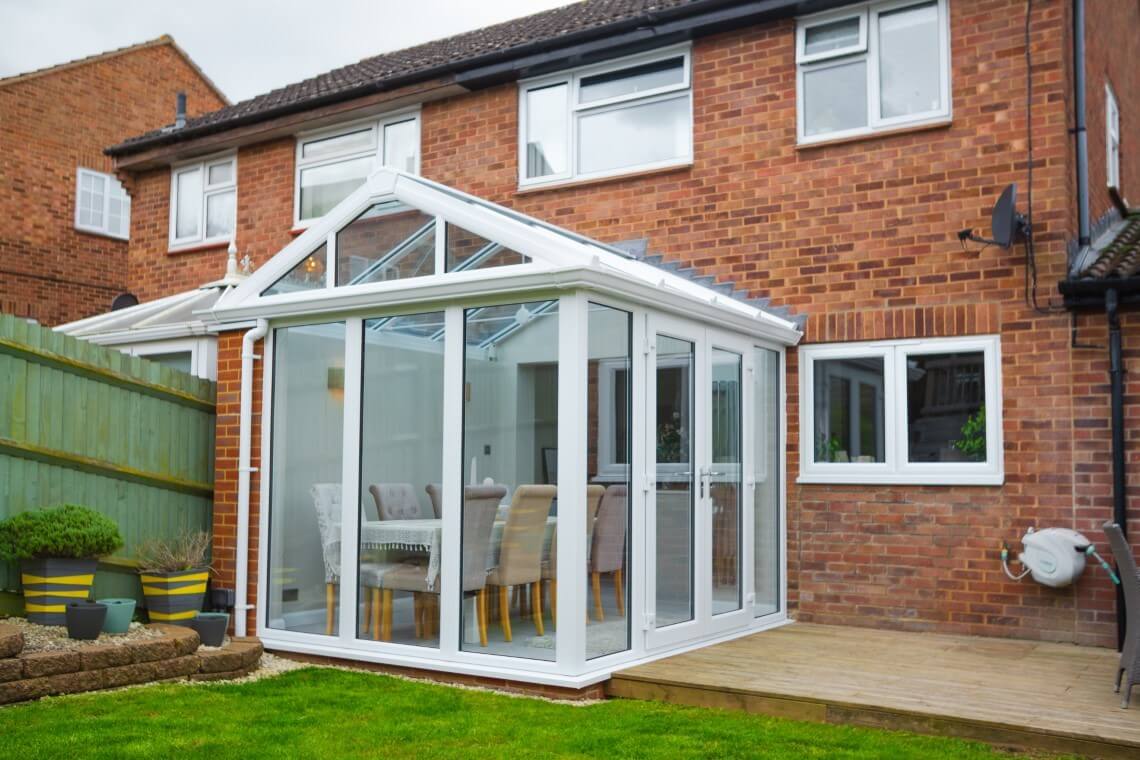
The Financial Aspects of Conservatory Extensions
When considering a conservatory extension, it's essential to evaluate the financial implications thoroughly. The cost of building a conservatory in the UK varies significantly based on several factors, including size, style, materials, and location. For instance, a basic lean-to conservatory might cost less compared to an elaborate Victorian or Edwardian design. Additionally, where you live can also impact the overall price due to varying labour costs across regions.
Key Factors Influencing Conservatory Costs
-
Size and Design: The size and complexity of your conservatory are primary determinants of cost. Larger structures require more materials and labour, leading to higher expenses. Similarly, intricate designs with bespoke features can escalate costs.
-
Materials: The choice of materials significantly affects pricing. Common materials include uPVC, aluminium, and timber, each offering different aesthetics and durability levels. uPVC is often the most affordable option, while timber tends to be more expensive due to its classic appeal and maintenance requirements.
-
Location: Labour costs vary across different parts of the UK. For example, building a conservatory in London might be pricier than in other regions due to higher living costs and demand for skilled labour.
-
Type of Conservatory: Different styles come with varying price tags:
- Lean-to: Typically more affordable due to its simple design.
- Victorian: Known for its ornate detailing, usually more expensive.
- Edwardian: Offers a classic look with slightly lower costs than Victorian styles.
- Gable-fronted: Provides maximum space but may come at a premium.
-
Additional Features: Incorporating elements like underfloor heating, specialised glazing (e.g., self-cleaning or solar control glass), or custom lighting can increase overall expenditure.
Below is a table summarising estimated costs based on different types and sizes:
| Type | Size (m²) | Estimated Cost (£) |
| Lean-to | 10-15 | 8,000 - 12,000 |
| Victorian | 15-20 | 12,000 - 18,000 |
| Edwardian | 15-20 | 10,000 - 16,000 |
| Gable-fronted | 20-25 | 15,000 - 25,000 |
Source: Homebuilding & Renovating Magazine
Budgeting for Your Conservatory Project
Creating a comprehensive budget is vital when planning for a conservatory extension. Start by obtaining multiple quotes from reputable builders to get an accurate picture of potential expenses. Consider not just the initial construction costs but also ongoing maintenance needs based on your chosen materials.
Additional Expenses to Consider
-
Planning Permission: While many conservatories fall under permitted development rights in the UK (meaning you don't need formal planning permission), certain conditions must be met regarding size and location relative to boundaries.
-
Building Regulations: Ensure compliance with building regulations which focus on structural integrity and energy efficiency standards.
-
Insurance: Updating your home insurance policy post-construction ensures coverage for any potential damage or issues related to your new structure.
Maximising Value from Your Investment
Investing in a conservatory should ideally add value both functionally and financially to your property. Here are some tips on maximising returns:
- Opt for energy-efficient glazing options that reduce heating bills over time.
- Choose durable materials that require minimal upkeep yet offer longevity.
- Incorporate versatile design elements allowing year-round usability (e.g., proper ventilation systems).
Frequently Asked Questions About Conservatories
Q&A
Q1: Do I need planning permission for my conservatory?
A1: Most conservatories are covered under permitted development rights; however, specific conditions apply regarding size limits relative to existing structures/boundaries etc., so always check local guidelines before proceeding with construction plans.
Q2: How long does it typically take to build one?
A2: On average, between four to six weeks, depending upon complexity, size, and materials used. Delays could occur if weather conditions aren’t favourable during certain stages like foundation laying or glazing installation, hence factor these into timelines accordingly!
Q3: What’s the best material choice for my needs?
A3: It depends on personal preferences and budget constraints! uPVC is popular due to its affordability and low-maintenance nature; aluminium offers a modern, sleek finish albeit at a higher price point; timber provides a traditional aesthetic requiring regular care to keep looking good over the years ahead!
The Importance of Professional Guidance
Engaging professional architects or designers early on helps streamline the process, ensuring all aspects are considered upfront, avoiding costly mistakes later down the line! They’ll assist in navigating complexities surrounding regulations, planning permissions, whilst offering valuable insights into optimising space utilisation effectively within budget constraints set forth initially.
Exploring Different Styles & Their Unique Benefits
Understanding different styles available helps make an informed decision aligning personal tastes, functional requirements, and the desired outcome ultimately achieved upon completion of the project!
Lean-To Conservatories – Simplicity Meets Functionality
Lean-to designs epitomise simplicity and practicality, perfect for smaller spaces and limited budgets alike! Their straightforward structure allows easy integration into existing properties without overwhelming architectural features present already there beforehand!
Benefits Include:
- Cost-effective solution compared to alternatives.
- Minimalist design suits contemporary homes.
- Easier installation process reduces construction timeframes significantly!
Victorian Conservatories – Elegance Personified Through Ornate Detailing
Victorian styles are renowned for their intricate detailing, embodying elegance and sophistication unmatched by their counterparts in the market today! Characterised by bay windows and steeply pitched roofs, they exude charm and grace, adding a touch of class to any setting effortlessly. This timeless aesthetic not only enhances the property’s curb appeal instantly but also offers versatile use cases ranging from dining rooms to lounges and beyond, making them a great choice for those seeking a classic yet elegant addition to their home.
Advantages Comprise:
- Timeless aesthetic appeals to a wide audience.
- Enhances property’s curb appeal instantly.
- Versatile use cases ranging from dining rooms to lounges and beyond.
Edwardian Conservatories – Classic Simplicity with a Touch of Grandeur
Edwardian conservatories offer a classic look with slightly lower costs than Victorian styles. Their design often features larger windows and a more symmetrical layout, providing a sense of grandeur without the elaborate detailing of Victorian styles. This makes them an excellent choice for those who appreciate traditional aesthetics but prefer a more straightforward design.
Benefits Include:
- Classic aesthetic that complements both period and modern homes.
- Larger windows allow for more natural light.
- Cost-effective compared to Victorian styles.
Gable-Fronted Conservatories – Maximising Space with Style
Gable-fronted conservatories are designed to provide maximum space and often feature a pitched roof, allowing for taller structures and more usable floor space. This style is ideal for those looking to create a spacious extension that seamlessly integrates with the existing architecture of their home.
Advantages Comprise:
- Maximises usable space with a taller design.
- Pitched roof allows for greater structural integrity.
- Suitable for a variety of architectural styles.
The Role of Energy Efficiency in Modern Conservatory Design
In recent years, energy efficiency has become a critical consideration in conservatory design. With the increasing focus on sustainability and rising energy costs, homeowners are seeking ways to reduce their environmental footprint and lower utility bills. Modern conservatories often incorporate energy-efficient glazing, such as triple glazing or low-emissivity (Low-E) coatings, which help retain heat during colder months and reduce heat gain during warmer periods.
Benefits of Energy-Efficient Glazing
- Reduces heating bills by retaining warmth in the conservatory during winter.
- Minimises heat gain during summer, keeping the space comfortable year-round.
- Contributes to a more sustainable home, aligning with contemporary environmental goals.
Maintenance Considerations
While energy-efficient glazing offers numerous benefits, it’s essential to consider maintenance requirements. For instance, self-cleaning glass can reduce the need for regular cleaning, while solar control glass can help manage heat and UV rays. Additionally, incorporating shading solutions, such as awnings or blinds, can further enhance energy efficiency and comfort.
The Impact of Local Regulations on Conservatory Construction
Building a conservatory is not just about design and budget; it also involves complying with local regulations and guidelines. Understanding these requirements is crucial to ensure a smooth construction process and avoid potential legal issues.
Key Regulations to Consider
-
Building Regulations: These are national standards that ensure the safety, health, and welfare of people in and around buildings. For conservatories, this may include requirements related to structural integrity, fire safety, and energy efficiency.
-
Planning Permissions: While many conservatories fall under permitted development, certain conditions must be met. For example, the size of the conservatory relative to the original property and its proximity to boundaries may be subject to approval.
-
Easements and Covenants: Some properties may have specific easements or covenants that could affect the construction of a conservatory. It’s essential to review these documents before proceeding with any plans.
Navigating the Approval Process
Engaging with a professional architect or builder can help navigate the approval process. They can provide guidance on compliance with regulations and ensure that your conservatory design meets all necessary standards. Additionally, they can assist in preparing the necessary documentation, such as planning applications and building regulation submissions, to streamline the process.
Maximising the Functional Use of Your Conservatory
A well-designed conservatory can serve multiple purposes, from a peaceful retreat to a functional living space. Maximising the functional use of your conservatory involves careful planning and consideration of how you intend to use the space.
Designing for Versatility
-
Multi-Purpose Spaces: Design your conservatory to accommodate various activities, such as dining, entertaining, or relaxation. This can be achieved through flexible furniture arrangements and zoning.
-
Storage Solutions: Incorporate built-in storage, such as cabinets or shelving, to keep the space clutter-free and functional.
-
Climate Control: Install heating and cooling systems to ensure the conservatory is comfortable year-round. This can include underfloor heating, fans, or even a heat pump.
Enhancing Natural Light
One of the key advantages of a conservatory is the abundance of natural light it provides. Maximising this light can enhance the functionality and aesthetic appeal of the space.
-
Optimise Window Placement: Ensure windows are strategically placed to allow maximum sunlight during the day while providing privacy and shading when needed.
-
Use Reflective Surfaces: Incorporate light-coloured walls, floors, and furniture to reflect and distribute natural light more effectively.
-
Minimise Obstructions: Avoid placing large furniture or objects near windows, which can block light and create shadows.
The Role of Aesthetics in Conservatory Design
While functionality is essential, the aesthetic appeal of your conservatory plays a significant role in enhancing the overall value and beauty of your home. A well-designed conservatory can serve as a stunning focal point, blending seamlessly with the existing architecture and surrounding landscape.
Aligning with Home Architecture
-
Period-Style Homes: For properties with traditional or period-style architecture, consider a Victorian or Edwardian conservatory to complement the existing design.
-
Modern Homes: Contemporary homes may benefit from a sleek, minimalist design, such as a lean-to or gable-fronted conservatory, to maintain a cohesive aesthetic.
-
Rural vs. Urban Settings: The location of your home can also influence the design. Rural properties may opt for a more spacious and grand conservatory, while urban homes may prefer a compact and elegant design.
Landscaping Integration
The conservatory’s exterior should also be considered in relation to the surrounding landscape. Incorporating complementary planting, such as climbing plants or flowering shrubs, can enhance the visual appeal and create a seamless transition between indoor and outdoor spaces.
Interior Design Tips
-
Colour Scheme: Choose a colour palette that complements the exterior of your home and enhances the natural light in the conservatory. Light, neutral tones can create a bright and airy feel, while deeper tones can add warmth and character.
-
Furniture Selection: Select furniture that is both functional and stylish. Consider pieces that can be easily rearranged to adapt to different uses of the space.
-
Lighting: Incorporate a mix of natural and artificial lighting to create a versatile and inviting atmosphere. Pendant lights, wall sconces, and table lamps can add both functionality and aesthetic appeal.
The Long-Term Benefits of a Conservatory
Investing in a conservatory is not just a short-term project; it can provide long-term benefits for your home and lifestyle. From enhancing property value to creating a versatile living space, the advantages of a well-planned conservatory are numerous.
Property Value Enhancement
A well-designed conservatory can significantly increase the value of your property. Potential buyers often view conservatories as desirable features, especially if they are energy-efficient and offer versatile living spaces. According to a survey by Which?, homes with conservatories can achieve a 5-10% increase in property value, depending on the size, design, and quality of the extension.
Functional Living Space
A conservatory offers an additional living area, providing space for relaxation, entertaining, or even as a home office. This can be particularly beneficial for families or those working from home, offering a dedicated space for work or leisure.
Environmental Benefits
Modern conservatories, especially those incorporating energy-efficient glazing and sustainable materials, can contribute to a more eco-friendly home. By reducing energy consumption and minimising environmental impact, a conservatory can align with contemporary sustainability goals.
Health and Wellbeing
The abundance of natural light and connection to the outdoors can have positive effects on mental and physical health. Studies have shown that access to natural light can improve mood, reduce stress, and even boost productivity. A conservatory can serve as a peaceful retreat, offering a calming environment to unwind and recharge.
Conclusion
Building a conservatory is a significant investment that requires careful planning and consideration. From evaluating costs and materials to complying with regulations and maximising functionality, there are numerous factors to take into account. However, with the right approach and professional guidance, a conservatory can transform your home, offering a versatile, beautiful, and valuable addition to your property.
By understanding the true costs and considerations involved, you can make informed decisions that align with your budget, lifestyle, and long-term goals. Whether you’re seeking a peaceful retreat, a functional living space, or a stylish addition to your home, a well-planned conservatory can provide endless benefits for years to come.