
Solar Windows: Transforming Homes with Renewable Energy
Solar windows are revolutionizing the way we think about renewable energy. By integrating solar panels into windows, these innovative products offer a sleek and efficient way to harness solar power. This guide explores the latest advancements, costs, and benefits of solar windows, helping you decide if they are right for your home.
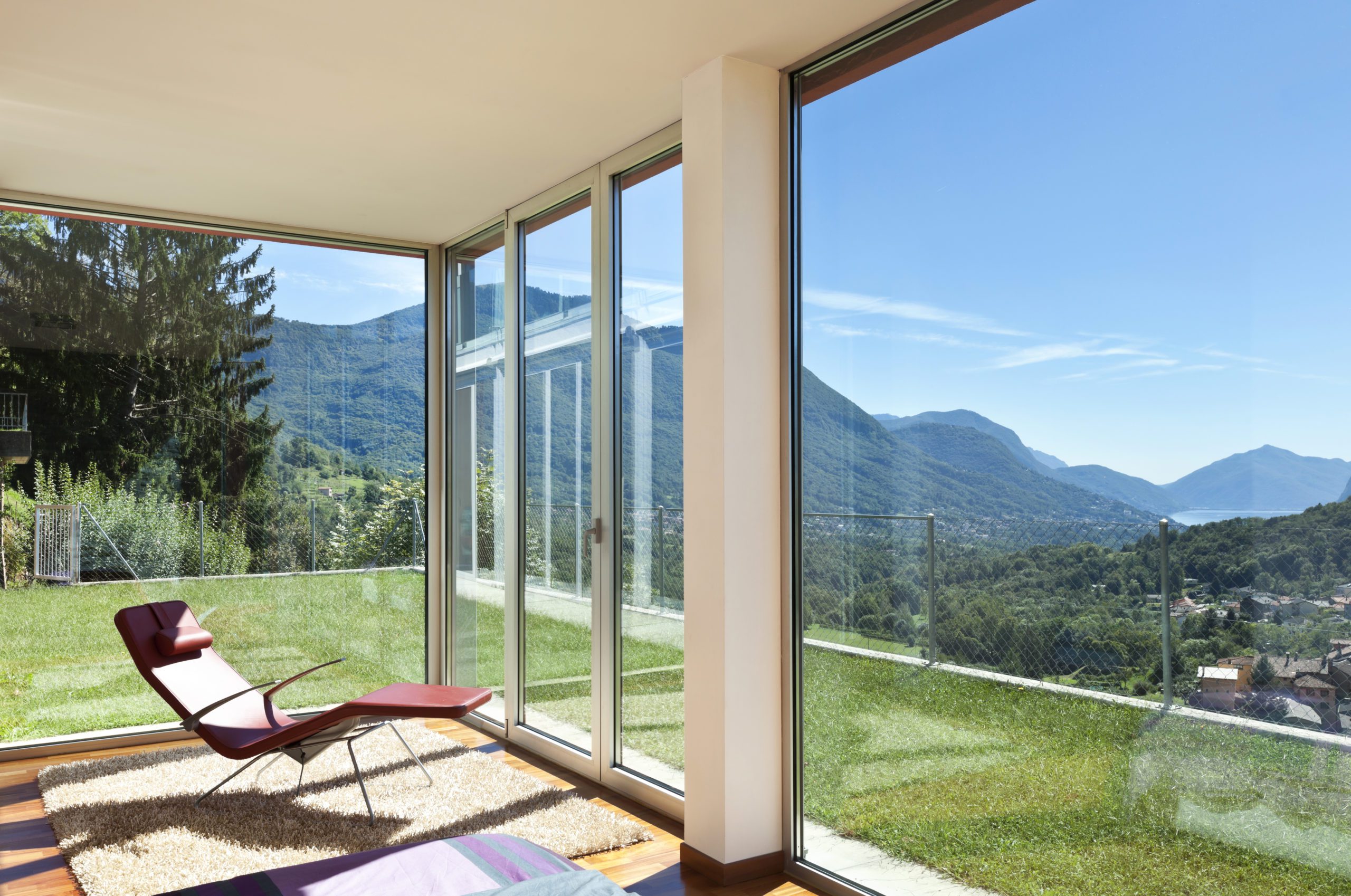
Solar windows represent a significant leap forward in renewable energy technology. They offer the potential to generate electricity from windows, integrating seamlessly into modern architecture. This comprehensive guide will cover the latest developments, costs, and benefits of solar windows, providing you with the information you need to make informed decisions.
Understanding Solar Windows
Solar windows are designed to capture sunlight and convert it into electricity. Unlike traditional solar panels, which are typically installed on rooftops, solar windows can be integrated into the building's facade. This technology is often referred to as building-integrated photovoltaics (BIPV). The primary challenge for solar windows is balancing light transmission with energy generation.
Types of Solar Windows
Several technologies fall under the umbrella of solar windows:
-
Physee PowerWindows: These windows use small solar panels installed along the edges of glass panes to generate electricity. They are currently installed in a Dutch bank and generate enough power to charge a smartphone a few times a day.
-
Transparent Solar Panels: These panels use quantum dot technology to capture light and convert it into electricity. While still in development, they hold the promise of fully transparent solar windows.
-
Solar Panel Blinds: These blinds have small solar panels installed along them and can rotate to follow the sun, optimizing energy production.
Costs and Benefits
The cost of solar windows varies widely depending on the technology and installation. Currently, solar windows are in the early stages of commercialization, which means they are not as widely available as traditional solar panels. This limited availability contributes to their higher initial costs. Traditional solar panels, on the other hand, have become more affordable over the years due to advancements in manufacturing processes and increased market competition. The cost of traditional solar panels has dropped significantly, making them a more accessible option for many homeowners.
Despite the higher initial cost of solar windows, they offer several benefits that can make them a worthwhile investment. One of the primary benefits is the potential for reduced energy bills. Solar windows generate electricity from sunlight, which can offset the energy consumption of your home. Over time, this can lead to significant savings on your electricity bills. Additionally, solar windows offer improved aesthetics compared to traditional solar panels. They can be seamlessly integrated into the design of your home, enhancing its appearance without the need for bulky rooftop installations. This makes them particularly appealing for homeowners who are conscious about the visual impact of renewable energy solutions on their property.
Another advantage of solar windows is their lower maintenance costs. Unlike traditional solar panels, which may require periodic cleaning and inspection to ensure optimal performance, solar windows are designed to be more self-sufficient. They are built to withstand various weather conditions and require minimal maintenance, reducing the overall cost of ownership. This makes them a convenient and hassle-free option for homeowners looking to adopt renewable energy solutions.
Future Developments
As technology advances, solar windows are expected to become more efficient and cost-effective. Researchers and developers are continuously working on improving the performance of solar windows. One of the most promising areas of research is quantum dot technology. Quantum dots are tiny semiconductor particles that can absorb and emit light. When applied to solar windows, they can capture sunlight and convert it into electricity with high efficiency. This technology holds the potential to make fully transparent solar windows a reality in the near future.
Other innovations in the field of solar windows include the development of new materials and manufacturing processes. These advancements aim to increase the efficiency of solar windows while reducing their production costs. As more companies enter the market and competition increases, we can expect to see further improvements in the affordability and performance of solar windows.
In addition to technological advancements, government incentives and policies are also playing a crucial role in the adoption of solar windows. Many governments around the world are offering subsidies and tax incentives to encourage the use of renewable energy solutions. These incentives can significantly reduce the initial cost of installing solar windows, making them more accessible to a wider range of homeowners.
Competitor Analysis
When considering solar windows, it's important to compare them with other renewable energy solutions and traditional windows. Here are some key points to consider:
-
Solar Panel Systems for Homes: Traditional solar panels are currently more efficient and cost-effective. However, they require rooftop installation and may not be suitable for all homes.
-
Replacement Windows: Energy-efficient windows can reduce heat loss and improve insulation, but they do not generate electricity.
-
Solar Shades for Windows: These shades can reduce heat gain and glare, but they do not generate electricity.
-
Replacement Doors: Energy-efficient doors can improve insulation, but they do not generate electricity.
-
Glass Windows: Traditional glass windows do not generate electricity and may not offer the same energy-saving benefits as solar windows.
-
Window Replacement: Replacing old windows with energy-efficient models can save energy, but they do not generate electricity.
-
Project Solar Panels: Large-scale solar panel projects can generate significant amounts of electricity but require extensive installation and maintenance.
-
Maintenance Planning Software: While not directly related to solar windows, maintenance planning software can help manage and optimize the performance of renewable energy systems.
-
Solar System: A comprehensive solar system can include multiple components, such as solar panels, batteries, and inverters, to provide a complete energy solution.
-
Solar PV System: Solar photovoltaic (PV) systems convert sunlight directly into electricity and are a popular choice for home installations.
-
Solar Light: Solar-powered lighting solutions can provide energy-efficient lighting but do not generate electricity for the entire home.
-
Solar System Cost: The cost of a solar system can vary widely depending on the size and complexity of the installation. Solar windows are generally more expensive than traditional solar panels but offer unique benefits.
Comparison of Solar Windows and Traditional Solar Panels
|
Feature
|
Solar Windows
|
Traditional Solar Panels
|
|
Efficiency
|
Lower efficiency, around 5-10%
|
Higher efficiency, around 15-20%
|
|
Aesthetics
|
Seamless integration into building design
|
Requires rooftop installation
|
|
Cost
|
Higher initial cost, around $50-$100 per square foot
|
Lower initial cost, around $2-$3 per watt
|
|
Maintenance
|
Low maintenance
|
Moderate maintenance
|
|
Energy Generation
|
Generates electricity from windows
|
Generates electricity from rooftops
|
QA Section
Q1: Are solar windows commercially available?
Currently, solar windows are in the early stages of commercialization. Some technologies, like Physee PowerWindows, are installed in specific locations but are not widely available.
Q2: How much do solar windows cost?
The cost of solar windows varies widely. Traditional solar panels are becoming more affordable, but solar windows are still relatively expensive due to their advanced technology.
Q3: What are the benefits of solar windows?
Solar windows offer reduced energy bills, improved aesthetics, and lower maintenance costs. They also integrate seamlessly into modern architecture.