
Discovering the World of Laser Eye Surgery: Clear Vision Ahead
Laser eye surgery has revolutionized vision correction, offering millions the chance to see clearly without glasses or contact lenses. This article delves into the types of laser eye surgeries, their benefits and risks, and what to expect before and after the procedure. Whether you're considering LASIK, PRK, or SMILE, understanding your options is essential.
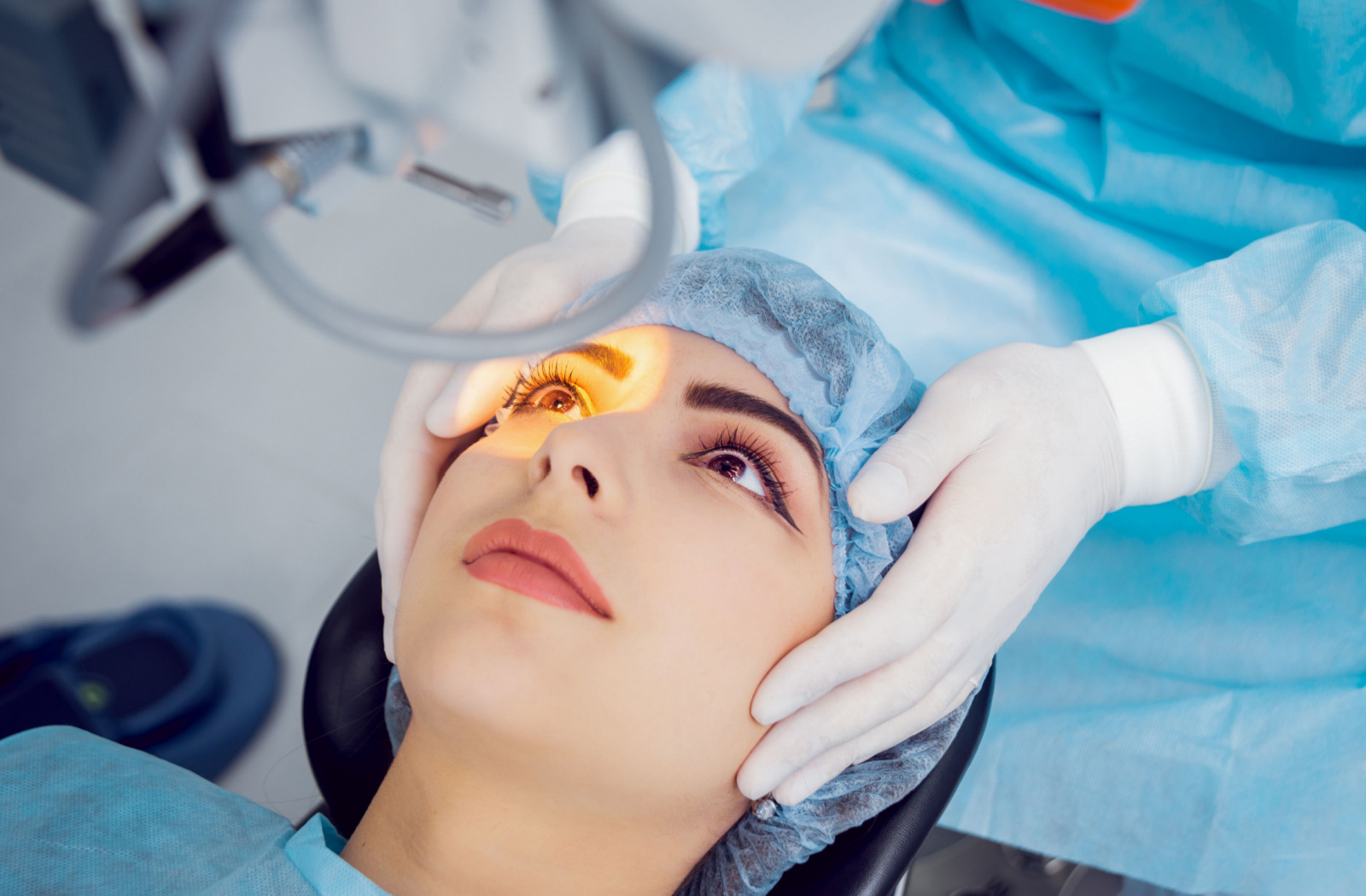
Types of Laser Eye Surgery
Laser eye surgery encompasses several procedures designed to correct refractive errors such as myopia, hyperopia, and astigmatism.
LASIK (Laser-Assisted in Situ Keratomileusis)
-
Popularity: Most common form of laser eye surgery.
-
Procedure: Involves creating a flap in the cornea and reshaping the underlying tissue.
-
Recovery: Quick recovery time, with most patients resuming normal activities within days.
PRK (Photorefractive Keratectomy)
-
Alternative: Ideal for patients with thinner corneas.
-
Procedure: The outer layer of the cornea is removed and reshaped.
-
Recovery: Longer recovery compared to LASIK, with potential discomfort in the initial days.
SMILE (Small Incision Lenticule Extraction)
-
Innovative: Newer, minimally invasive approach.
-
Procedure: Involves removing a small piece of corneal tissue through a tiny incision.
-
Recovery: Fast recovery with minimal discomfort.
The Surgery Process
Understanding the surgery process can alleviate concerns and prepare you for what to expect.
Pre-Surgery Examination
-
Evaluation: Comprehensive eye exam to determine eligibility.
-
Discussion: Review of medical history and discussion of expectations with the surgeon.
Surgical Procedure
-
Duration: Typically takes 30 minutes or less.
-
Anesthesia: Local anesthetic eye drops to numb the eye.
-
Steps: Involves precise laser technology to reshape the cornea.
Post-Surgery Care
-
Initial Recovery: Rest is crucial in the first few hours post-surgery.
-
Follow-Up: Scheduled visits to monitor healing and progress.
-
Precautions: Avoid rubbing eyes and exposure to irritants.
Advantages and Disadvantages
Laser eye surgery offers numerous benefits but also comes with potential drawbacks.
Advantages
-
Quick Results: Improved vision often noticeable within 24 hours.
-
Long-Lasting: Permanent correction in most cases.
-
Reduced Dependence: Less reliance on glasses or contact lenses.
Disadvantages
-
Potential Side Effects: Dry eyes, glare, or halos around lights.
-
Not Suitable for Everyone: Patients with certain eye conditions may not be candidates.
-
Cost: Often not covered by insurance.
Ideal Candidates for Laser Eye Surgery
Determining if you're a suitable candidate is crucial for a successful outcome.
Suitable Candidates
-
Age: Typically 18 years or older with stable vision.
-
Health: Good overall and eye health.
-
Expectations: Realistic expectations about the results.
Unsuitable Candidates
-
Eye Conditions: Those with certain eye diseases or severe dry eyes.
-
Pregnancy: Hormonal changes can affect vision stability.
Risks and Side Effects
Understanding the risks associated with laser eye surgery helps in making an informed decision.
Common Risks
-
Dry Eyes: Temporary or prolonged dryness post-surgery.
-
Vision Fluctuations: Possible in the early weeks following surgery.
Rare Complications
-
Infection: Though rare, it requires prompt treatment.
-
Corneal Flap Issues: Specific to LASIK, may need additional intervention.
Risk Comparison
|
Procedure
|
Dry Eyes
|
Infection Risk
|
Vision Fluctuations
|
Corneal Issues
|
|---|---|---|---|---|
|
LASIK
|
Moderate
|
Low
|
Low
|
Possible
|
|
PRK
|
High
|
Low
|
Moderate
|
None
|
|
SMILE
|
Low
|
Very Low
|
Low
|
None
|
FAQs
-
Is laser eye surgery safe?
Yes, it is a well-established procedure with a high success rate, but as with any surgery, there are risks involved.
-
How soon will I see results?
Many patients notice improved vision within a day, but it can vary based on the procedure type.
-
Will I need glasses after surgery?
Most patients experience significant vision improvement, but some may still need glasses for specific tasks.
-
What is the cost of laser eye surgery?
Costs vary depending on the type of surgery and location, typically ranging from $2,000 to $4,000 per eye.
-
Can I undergo the procedure if I have astigmatism?
Yes, laser eye surgery is effective in correcting astigmatism.