
Choosing the Perfect Roof: Materials, Costs, and Expert Tips for Homeowners
Roofing is an essential aspect of home construction and maintenance, providing protection, insulation, and aesthetic appeal to a property. Whether you're a homeowner looking to replace an old roof or a business owner planning a commercial roofing project, understanding the basics of roofing can save you time, money, and stress.
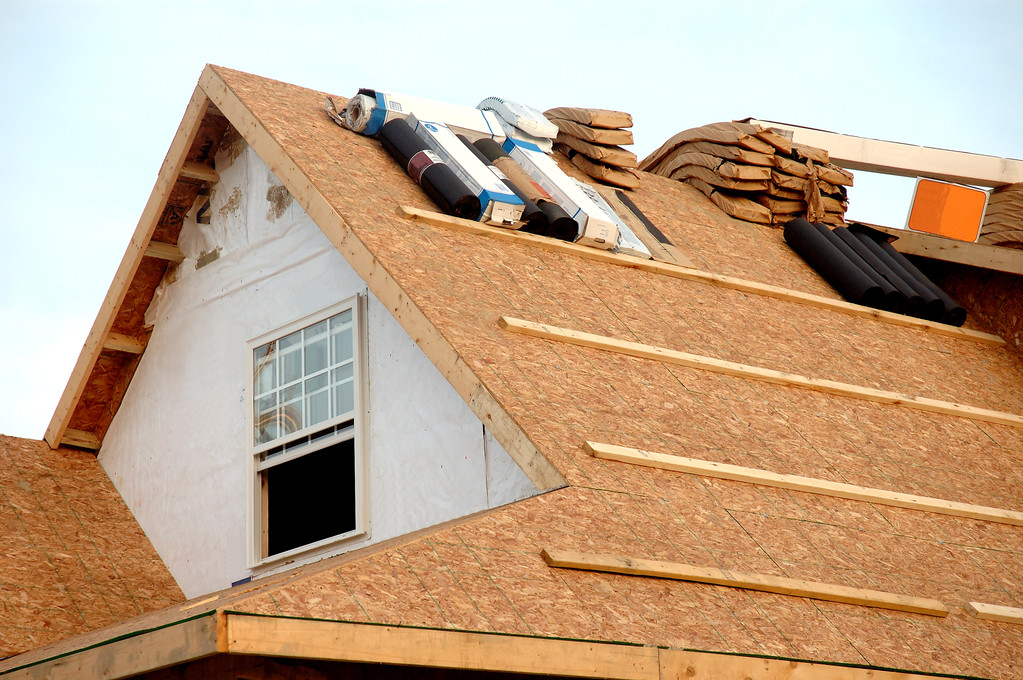
What Is a Roofing Job? A Quick Overview
A roofing job involves the installation, repair, or replacement of a roof on a residential, commercial, or industrial building. Roofers, or roofing contractors, are professionals who specialize in this field. The scope of a roofing job can vary widely, from minor repairs to complete roof replacements.
Common Types of Roofing Jobs
-
Roof Repairs: Fixing leaks, replacing damaged shingles, or addressing structural issues.
-
Roof Replacement: Removing the old roof and installing a new one.
-
New Roof Installation: Installing a roof on a newly constructed building.
-
Roof Inspections: Assessing the condition of a roof to identify potential issues.
Why Roofing Matters: The Advantages of a Well-Maintained Roof
A well-maintained roof offers numerous benefits, making it a crucial investment for any property owner.
Key Advantages of Roofing
-
Protection: Shields your home or business from weather elements like rain, snow, and UV rays.
-
Energy Efficiency: A properly installed roof can improve insulation, reducing heating and cooling costs.
-
Aesthetic Appeal: Enhances the overall look of your property, increasing its curb appeal.
-
Property Value: A new or well-maintained roof can significantly boost the resale value of your property.
-
Safety: Prevents structural damage and potential hazards caused by leaks or weak roofing materials.
Exploring Roof Types: Which One Is Right for You?
Choosing the right type of roof depends on various factors, including your budget, climate, and aesthetic preferences. Here's a breakdown of popular roof types and their suitability.
Common Roof Types and Their Features
|
Roof Type
|
Material
|
Best For
|
Pros
|
Cons
|
|---|---|---|---|---|
|
Asphalt Shingles
|
Asphalt, fiberglass
|
Residential homes
|
Affordable, easy to install, versatile
|
Shorter lifespan, less eco-friendly
|
|
Metal Roofing
|
Steel, aluminum
|
Homes in extreme weather areas
|
Durable, energy-efficient, recyclable
|
Higher upfront cost, noisy in rain
|
|
Solar Roofing
|
Solar panels
|
Eco-conscious homeowners
|
Generates electricity, tax incentives
|
Expensive, requires sunlight exposure
|
|
Tile Roofing
|
Clay, concrete
|
Mediterranean or Spanish-style homes
|
Long-lasting, fire-resistant
|
Heavy, costly installation
|
|
Flat Roofing
|
Rubber, PVC, TPO
|
Commercial buildings
|
Cost-effective, easy to maintain
|
Poor drainage, shorter lifespan
|
Source: National Roofing Contractors Association (https://www.nrca.net)
Roofing Estimates and Quotes: How to Get Started
Before starting a roofing project, it's essential to get an accurate estimate of the costs involved.
Methods for Obtaining Roofing Quotes
-
Online Platforms: Websites like HomeAdvisor and Angi allow you to compare quotes from local contractors.
-
In-Person Inspections: Many roofing companies offer free inspections to provide a detailed estimate.
-
DIY Calculators: Some websites provide roofing cost calculators based on your roof's size and material.
Factors That Influence Roofing Costs
-
Roof Size: Larger roofs require more materials and labor.
-
Material Type: Premium materials like metal or solar panels are more expensive than asphalt shingles.
-
Labor Costs: Rates vary depending on the contractor's experience and location.
-
Roof Complexity: Features like skylights, chimneys, or steep slopes can increase costs.
-
Permits and Fees: Some areas require permits for roofing projects, adding to the overall cost.
How to Save Money on Roof Installation
Roof installation can be expensive, but there are ways to make it more affordable.
Tips for Cost-Effective Roofing
-
Take Advantage of Tax Credits: Solar roofing and energy-efficient materials may qualify for federal or state tax incentives.
-
Shop Around: Compare quotes from multiple contractors to find the best deal.
-
Consider Off-Season Installation: Roofing companies may offer discounts during slower seasons.
-
Use Financing Options: Many contractors offer payment plans to spread out the cost.
-
Check for Manufacturer Rebates: Some roofing material manufacturers provide rebates or discounts.
Choosing the Right Roofing Contractor
Selecting a reliable roofing contractor is crucial for a successful project.
Recommended Roof Installers and Commercial Roofers
-
Local Contractors: Local companies are familiar with regional building codes and weather conditions.
-
Certified Installers: Look for contractors certified by manufacturers like GAF or Owens Corning.
-
Specialized Roofers: For commercial projects, choose roofers experienced in flat or metal roofing.
Questions to Ask Before Hiring a Roofer
-
Are you licensed and insured?
-
Can you provide references or examples of past work?
-
What warranties do you offer on materials and labor?
-
How do you handle unexpected issues or additional costs?
Roofing Tips and Precautions
Roofing projects can be complex, so it's essential to keep a few tips in mind.
Important Roofing Tips
-
Inspect Regularly: Schedule annual roof inspections to catch issues early.
-
Clean Gutters: Clogged gutters can lead to water damage and leaks.
-
Choose Quality Materials: Investing in durable materials can save money in the long run.
-
Stay Safe: If you're doing minor repairs yourself, use proper safety equipment and avoid working in bad weather.
FAQs
1. How long does a typical roof last?
The lifespan of a roof depends on the material. Asphalt shingles last 20-30 years, while metal and tile roofs can last 50 years or more.
2. Can I install a roof myself?
While minor repairs can be DIY, full roof installations are best left to professionals due to safety and quality concerns.
3. What is the average cost of a new roof?
The average cost ranges from $5,000 to $10,000 for asphalt shingles, but it can be higher for premium materials like metal or solar panels.
4. How do I know if my roof needs replacement?
Signs include frequent leaks, missing shingles, sagging, and visible damage. A professional inspection can provide a definitive answer.
5. Are there eco-friendly roofing options?
Yes, options like solar roofing, metal roofing, and green roofs (vegetative roofs) are environmentally friendly and energy-efficient.
This article is for informational purposes only and should not be considered professional advice. Always consult a licensed roofing contractor for specific recommendations and services.
References
-
National Roofing Contractors Association: https://www.nrca.net
-
HomeAdvisor (Home Improvement Platform): https://www.homeadvisor.com
-
GAF (Roofing Manufacturer): https://www.gaf.com