
Anxiety and Rest: Harmonizing Modern Sleep Challenges with Natural Remedies
Navigating the complexities of contemporary restlessness often demands a blend of time-honored remedies and cutting-edge solutions. With the modern world amplifying internal unease, exploring diverse methods rooted in ancient practices and innovative technology offers a promising path to fostering genuine tranquility and rejuvenation.
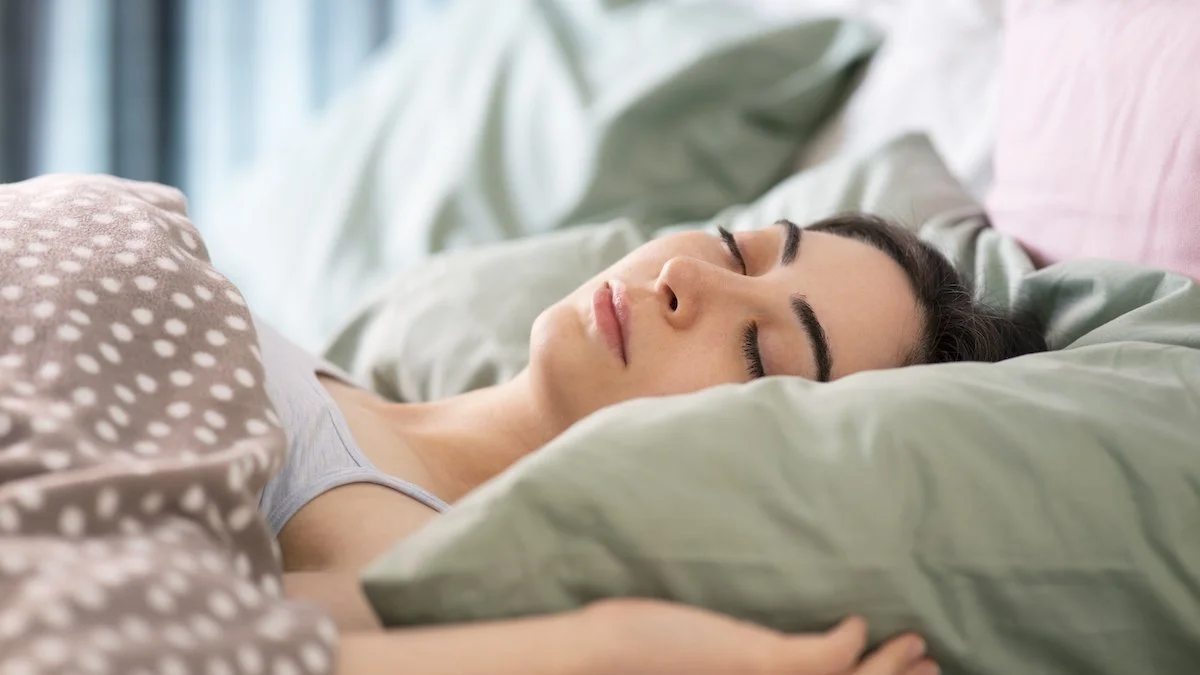
Understanding Modern Sleep Challenges and Their Impact
The hustle and bustle of modern life can take a significant toll on our sleep patterns. With increased stress levels, screen time, and other lifestyle factors, it's no surprise that many find themselves tossing and turning at night. Let's dissect how these factors contribute to sleeplessness and anxiety.
1. The Toll of a Fast-Paced World on Sleep
The demands of our current era often push us to prioritize productivity over rest, leading to distress and broken sleep cycles. Constant connectivity keeps our brains engaged long past the point they should be winding down. Checking our devices late into the night or working long hours can expose us to excessive blue light, skewing our internal body clock.
This disruption often results in the body producing more cortisol, the stress hormone, which keeps the brain alert even when the body needs to relax. A lack of proper sleep hygiene—a stable sleep schedule and a technology-minimized environment—can further exacerbate these issues.
2. Identifying Sleep Disruptors
Pinpointing the disruptors in our sleep patterns is critical. Is it stress from work, an excess of caffeine, or perhaps erratic sleeping hours? Each person's struggles are unique, and identifying them can guide us toward more personalized remedies. When stress is the culprit, practices such as meditation or controlling caffeine intake can be effective. Tailoring actions to specific issues makes a marked impact.
3. The Ripple Effect of Sleeplessness on Health
An often overlooked fact is that sleep deprivation weakens much more than our alertness and mood. A continued struggle with sleep compromises the immune system, dulls cognitive functions, and increases susceptibility to chronic diseases. This highlights the importance of recognizing sleep not just as a luxury, but as a foundational element of health—underscoring the significance of aiming for that optimal 7-9 hours each night.
4. Age-Specific Sleep Challenges
From adolescents grappling with academic pressures to older adults facing health challenges, sleep issues manifest differently across life stages. Recognizing these specific patterns can help tailor effective interventions. Educational programs aimed at specific groups can provide practical strategies to manage and mitigate these struggles effectively, suggesting that a one-size-fits-all approach is often insufficient.
Effective Sleep Aids: Where Tradition Meets Technology
The market for sleep aids has expanded rapidly, offering solutions that range from time-tested natural methods to today's innovative technological gadgets. Let’s delve into how combining ancient wisdom with modern inventions can optimize our sleep environment.
1. Ancient Remedies and Natural Solutions
Many natural sleep aids derive their effectiveness from centuries-old wisdom. Herbal remedies are a prime example. Herbal teas and Aromatherapy, rich in calming herbs like chamomile and lavender, offer gentle, natural sleep-inducing properties that are still highly relevant.
Moreover, the table from sources like Amerisleep Research highlights the use of melatonin supplements and valerian root. These supplements align body rhythms naturally without the need for heavy pharmaceuticals, presenting an alternative with fewer side effects. As research within English-speaking communities suggests, these easily accessible remedies can bring about significant improvements in sleep quality.
2. Modern Gadgets: Sound and Sensors
Modern-day technology introduces gadgets such as white noise machines and sleep trackers. The consistent hum from a white noise machine can drown out disruptive sounds, providing an audio environment conducive to relaxation. Sensors embedded in sleep trackers give valuable insights into sleep stages and disturbances.
The table also points out the use of OTC antihistamines for sleep issues, yet it emphasizes the greater importance of personalized sleep aid approaches. Personalizing a melatonin dosage, for instance, can further refine a sleep solution to fit individual needs accurately.
3. Sensory Aids: Weighted Blankets
Weighted blankets, known for their comforting pressure, stimulate serotonin production and improve mood stability. This tactile product is especially beneficial for individuals suffering from anxiety, helping them feel swaddled and secure, thus easing them into deeper sleep.
This piece of ancient wisdom, now utilized with modern design, ensures both physical and mental relaxation. It’s a brilliant example of how merging old and new can meet contemporary needs efficiently.
4. Personalizing Sleep Solutions
Every individual's path to better sleep is unique. Leveraging both heritage and technology, customizing sleep environments according to specific preferences or issues results in better outcomes. For those faced with anxiety-related sleeplessness, integrating personalized melatonin therapy or anxiety-reducing gadgets offers relief and improved restfulness.
Harmonizing Anxiety with Rest through Lifestyle Adjustments
Anxiety is a pervasive issue, and its confluence with sleep challenges makes for a tough combination. Fortunately, lifestyle remedies can help mitigate anxiety, improving both sleep and overall quality of life.
1. Mindfulness and Meditation Practices
Adopting practices like mindfulness and meditation helps in acknowledging and calming nervousness. These approaches resonate well with those seeking natural, non-invasive ways to manage anxiety. Regular meditation, focusing on the present, allows mental relaxation, paving the way to better sleep quality.
Muse 2 Meditation Headband – Uses EEG feedback to assist in mindfulness practice and relaxation training.
Calm App / Headspace App – Provides guided meditations, breathing exercises, and sleep stories tailored for relaxation and sleep preparation.
2. Physical Activity: A Key to Holistic Well-being
Incorporating regular physical activity into daily routines has been shown to manage cortisol levels effectively. Engaging in moderate exercises, like walking or yoga, releases endorphins—mood-enhancing chemicals that naturally combat stress and anxiety.
For maximal benefit, exercising earlier in the day rather than closer to bedtime optimizes this advantage without offsetting sleep readiness. Maintaining this routine can thus transform overall life quality by aligning physical health with mental peace.
Recommended Accessories:
Liforme Yoga Mat – Offers stability and grip for bedtime stretching or restorative yoga.
Therabody Wave Roller – Assists in muscle relaxation, preparing the body for deep rest.
3. Developing a Consistent Routine
Instilling a consistent sleep schedule supports the natural circadian rhythm, helping signal the transition towards sleep each night. This consistency lessens the likelihood of anxiety-induced sleep disturbances, creating a reliable framework for restful nights.
Given the data from Sleep Medicine Reviews, it's clear that lifestyle adaptations can oftentimes be more advantageous than immediate pharmaceutical solutions.
4. Behavioral Strategies: Reducing Blue Light Exposure
Limiting exposure to blue light from screens before bedtime is critical. By shutting down devices or using blue light filters, the interruption to melatonin production is minimized. Incorporating screen-free before-bed practices encourages the body to naturally progress into sleep-friendly states.
Utilizing an arsenal of tailored sleep remedies, individuals can break free from poor nights to embrace a calm and rejuvenated self. Exploring personal solutions that effectively integrate both ancient and modern methods is key to optimizing rest.
Recommended Products:
BluBlox Sleep+ Blue Light Blocking Glasses – Filters blue and green light wavelengths to prevent melatonin suppression.
f.lux / Night Shift (Device Settings) – Software-based blue light filters that adjust screen tone according to time of day.
Q&A
-
What are some natural sleep aids that can help with sleep problems of modern people?
Natural sleep aids include herbal supplements like valerian root, chamomile tea, and lavender essential oil, which have calming properties that can help promote relaxation and improve sleep quality. Additionally, melatonin supplements are often used to regulate the sleep-wake cycle and are particularly helpful for those experiencing jet lag or shift work-related sleep issues.
-
What is considered the best sleep aid for anxiety-related insomnia?
For those dealing with anxiety-related insomnia, a combination of cognitive behavioral therapy for insomnia (CBT-I) and natural supplements such as magnesium or L-theanine can be effective. These approaches help reduce anxiety levels and improve sleep quality by addressing the underlying stressors and promoting relaxation.
-
Are over-the-counter sleep aids safe to use regularly for sleep problems?
While over-the-counter sleep aids can provide temporary relief for sleep issues, they are not recommended for long-term use due to potential side effects and the risk of dependency. It is advisable to consult with a healthcare provider to determine the underlying causes of sleep problems and to explore safer, more sustainable solutions.
-
How can sleep supplements improve sleep quality, and which are commonly used?
Sleep supplements can improve sleep quality by addressing deficiencies in nutrients that are crucial for sleep regulation, such as magnesium, vitamin D, and omega-3 fatty acids. Commonly used supplements include melatonin, which regulates the sleep-wake cycle, and valerian root, which is known for its calming effects.
-
What are some effective strategies for falling asleep fast?
To fall asleep quickly, consider establishing a consistent bedtime routine, avoiding screens before bed, and creating a comfortable sleep environment. Techniques such as deep breathing, progressive muscle relaxation, or using a white noise machine can also facilitate faster sleep onset by reducing external distractions and promoting relaxation.
-
What are the benefits of using a weighted blanket for sleep?
A weighted blanket can enhance sleep by providing deep pressure stimulation, which mimics the sensation of being hugged. This can increase the production of serotonin and melatonin while reducing cortisol levels, leading to improved mood and reduced anxiety, ultimately promoting better sleep quality.